



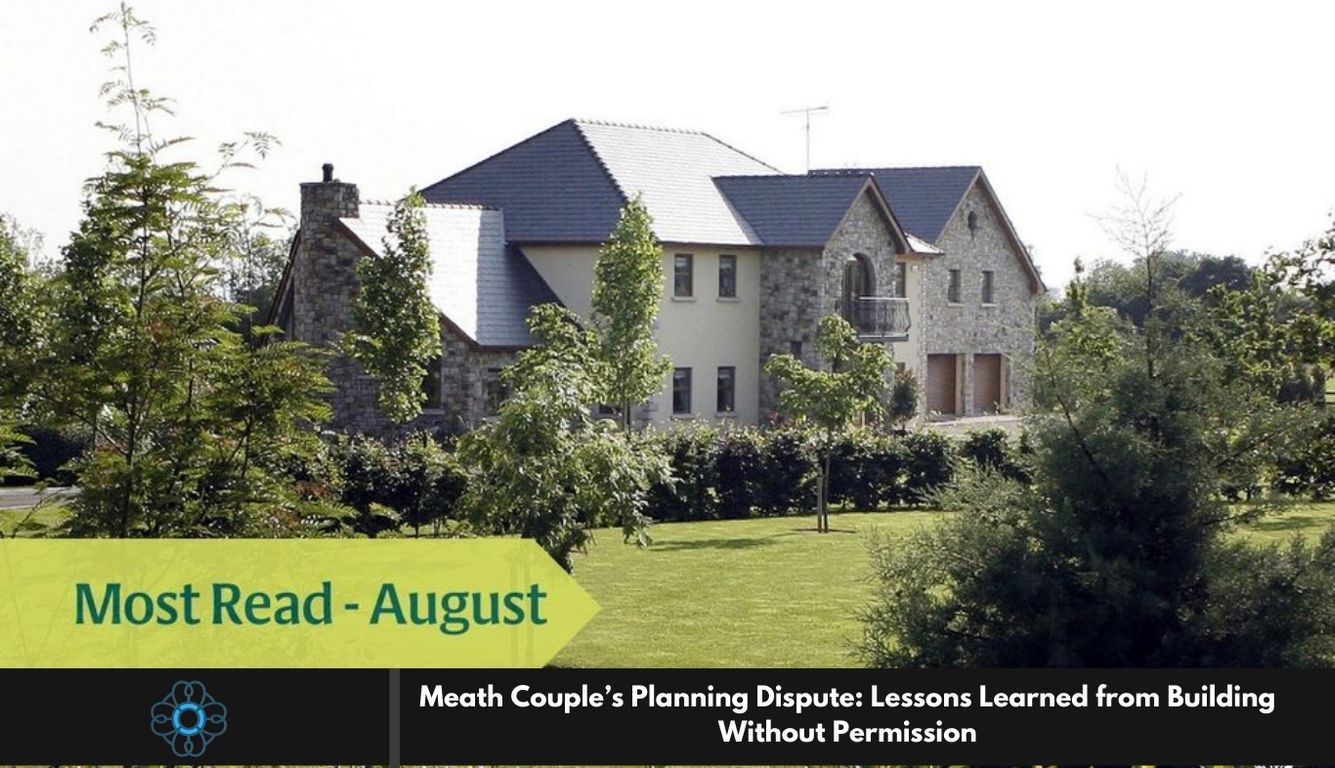

Building a home is a dream for many, but for one Meath couple, their dream house turned into a legal nightmare. Their 588-square-metre, five-bedroom home, constructed without planning permission, has been the center of a prolonged legal battle. This case highlights the importance of adhering to planning regulations and the consequences of non-compliance.
In this article, we’ll examine the details of the Meath couple’s case, An Bord Pleanála’s decision, and critical takeaways for homeowners and developers to avoid similar disputes.
What Happened in Meath?
The couple in Meath constructed a substantial five-bedroom property without obtaining prior planning permission, sparking controversy among neighbors and local authorities. Despite multiple appeals, An Bord Pleanála ruled against them, citing concerns over setting a dangerous precedent.
Key Details of the Case
Size and Location: The property spans 588 square meters and is located in a scenic area of Meath.
Planning Breach: The home was built without the required approval, leading to enforcement actions.
Appeals: The couple repeatedly appealed to retain the property, but local councils and An Bord Pleanála denied their requests.
Understanding Planning Permission in Ireland
Why Is Planning Permission Necessary?
Planning permission ensures that construction aligns with local development plans, environmental standards, and community needs. Failing to obtain permission can lead to severe consequences, including fines, demolition orders, and legal battles.
Types of Planning Permissions
Outline Planning Permission: For general plans without detailed specifications.
Full Planning Permission: For comprehensive, detailed plans.
Retention Permission: This is for regularizing unauthorized developments, though it is not guaranteed.
An Bord Pleanála’s Role and Decision
Who Is An Bord Pleanála?
An Bord Pleanála is Ireland’s independent national planning appeals board. It reviews cases in which local council decisions are contested.
Decision on the Meath Property
An Bord Pleanála emphasized that permitting the retention of the house would:
Undermine planning regulations.
Encourage further unauthorized developments.
Disrupt the area’s planned development.
Legal Consequences of Building Without Planning Permission
Immediate Actions by Authorities
Enforcement Notices: Issued to halt unauthorized work.
Fines and Penalties: Significant fines may be imposed.
Long-Term Impact
Demolition Orders: Authorities can order unauthorized structures to be demolished.
Legal Costs: Lengthy appeals can result in mounting legal fees.
Community Backlash: Unauthorized projects often face public opposition.
Lessons for Homeowners and Builders
- Secure Planning Permission First
Always consult local authorities before starting construction to ensure compliance with regulations.
- Engage Professionals
Hire architects and planners familiar with local requirements to avoid pitfalls.
- Respond to Objections
If objections arise, address concerns proactively to prevent escalation.
- Avoid Retention Reliance
Retention permission is not guaranteed. Building without initial approval is a high-risk strategy.
Steps to Take if You’ve Built Without Permission
- Consult Legal Experts
Seek advice from solicitors specializing in planning law to explore options.
- Apply for Retention Permission
Apply to regularize your development, providing justifications for the breach.
- Prepare for Appeals
If denied, prepare a robust case for appeal supported by evidence and professional guidance.
Impact of Unauthorized Developments on Communities
Unauthorized construction can:
Overburden infrastructure.
Damage the environment.
Cause disputes among neighbors.
How to Avoid Similar Situations: Best Practices for Compliance
Research Zoning Laws: Understand restrictions for your area.
File Detailed Applications: Provide clear, comprehensive plans.
Communicate with Authorities: Stay informed about updates to planning policies.
Frequently Asked Questions
What is planning permission?
Planning permission ensures construction complies with local laws, safeguarding community standards and the environment.
What happens if I build without permission?
You may face fines, legal action, or demolition orders for unauthorized construction.
What is retention planning permission?
It allows you to seek approval for a completed, unauthorized building, but it isn’t guaranteed.
Why did An Bord Pleanála reject the Meath couple’s appeal?
The decision prevented setting a precedent for unauthorized developments.
How do I obtain planning permission?
Submit detailed plans to your local authority, addressing any objections during the review process.
Can planning permission be revoked?
Yes, for non-compliance or fraudulent applications.
Are there exemptions for planning permission?
Small-scale projects like minor extensions may be exempt. Check local regulations.
How can I avoid disputes during construction?
Communicate with neighbors, address concerns, and ensure compliance with regulations.
Can I appeal a planning decision?
Yes, you can appeal to An Bord Pleanála if your application is rejected or a decision is unfavorable.
How long does the planning process take?
Decisions usually take 8–12 weeks, but appeals or objections can extend this timeline.
Conclusion
The Meath couple’s case is a cautionary tale for anyone considering bypassing planning regulations. While their fight to save their home drew significant public attention, it underscores the importance of adhering to the law from the outset.
To avoid such costly and stressful disputes, always prioritize compliance, engage with professionals, and approach planning permissions with diligence.
