



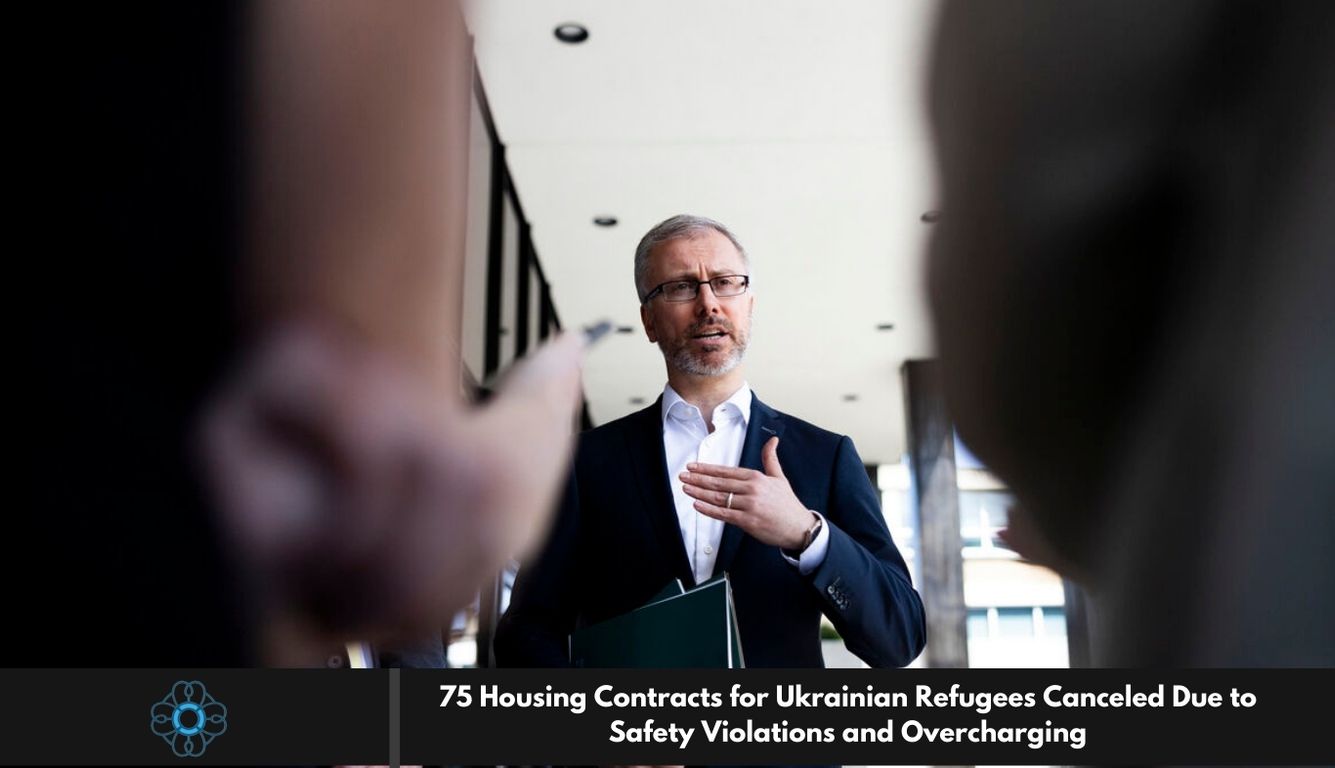

In the past year, the Irish government has terminated 75 housing contracts for Ukrainian refugees, citing safety concerns and overcharging by accommodation providers. This action highlights the government’s commitment to ensuring that refugees are housed in safe, secure environments, free from exploitation. The cancellations have affected thousands of individuals who were forced to relocate, disrupting their already challenging lives.

The termination of these contracts comes amid a broader effort by the Department of Integration to oversee accommodation standards for refugees. Investigations into 278 providers, including hotels and bed-and-breakfasts, have uncovered various breaches, such as unsafe living conditions and inflated costs. The government has taken action to address these issues, removing providers that fail to meet the necessary criteria.
While the government’s steps are aimed at protecting the safety and well-being of refugees, the impact of relocation has been significant. Thousands of Ukrainian refugees were moved from their homes, often with short notice and little information about their new accommodation. This disruption underscores the need for a balanced approach that ensures both safety and stability for those seeking refuge.
The Scale of the Problem: 75 Housing Contracts Cancelled
According to data from the Department of Integration, the Irish government terminated 75 housing contracts for Ukrainian refugees between 2023 and 2024. The reasons for the termination primarily stemmed from safety concerns, including breaches of fire regulations, the use of secondary properties, and issues related to the overall quality of the accommodation. In addition, several providers were found to be overcharging the government for the accommodation, further justifying the need for termination.
The cancellations were not limited to isolated incidents; they were part of a broader effort by the government to ensure that Ukrainian refugees were living in safe and suitable conditions. In the past year, the government terminated 101 contracts, including those due to compliance issues. These measures were crucial in maintaining the integrity of the housing system for refugees, but they also raised questions about the long-term impact on those who were affected.
The Role of Internal Compliance Teams
One key element in addressing these concerns has been the active role of internal compliance teams within the Department of Integration. Since July 2023, the department has investigated 278 accommodation providers, including hotels and bed-and-breakfasts, to ensure they are meeting the necessary standards. These investigations have uncovered various breaches, ranging from minor property concerns to more serious issues such as overcharging and health and safety violations.
As part of their duties, the compliance teams assess whether accommodation providers are adhering to the terms of their contracts. If any serious issues are found, such as breaches of fire regulations, inadequate living conditions, or price inflation, contracts are terminated to protect the well-being of refugees. In some cases, providers have addressed the issues after receiving feedback, resulting in the continuation of their contracts.
Impact of Housing Contract Cancellations
The cancellation of housing contracts has significantly impacted the 4,100 Ukrainian refugees who were forced to move out of their accommodation. While many of the providers have rectified the issues and resumed their contracts, the displacement of refugees remains a concern. The government typically gives residents four weeks’ notice about the move, but often, the exact location to which they will be relocated is only offered 48 hours before the move.
This situation creates instability for the refugees, who may have already established a sense of community in their current accommodation. Uprooting individuals and families and moving them to new locations is not only disruptive but also potentially harmful to their mental and emotional well-being. For many, the uncertainty surrounding their housing situation adds to the challenges of living in a foreign country.
Safety Concerns: A Top Priority for the Government
The Irish government has made it clear that safety is a top priority in accommodating Ukrainian refugees. Minister for Integration Roderic O’Gorman emphasized that issues related to safety, such as fire hazards and inadequate health standards, are prioritized for termination. The government has been working diligently to identify and rectify such concerns to ensure that refugees live in environments that meet basic safety and health standards.
Fire regulation breaches have been a particularly pressing issue. Unsafe accommodation, such as overcrowded hotels or inadequate fire exits, poses significant risks to refugees’ well-being. The government’s decision to terminate contracts with providers who fail to meet these standards is a necessary step to safeguard the lives of those seeking refuge.
Overcharging by Accommodation Providers: A Financial Concern
Another significant issue that has led to contract terminations is overcharging. Accommodation providers who are found to be inflating costs or taking advantage of the refugee housing scheme have been scrutinized closely. In some instances, providers have been found to be charging more than the agreed-upon rates, placing an unnecessary financial burden on the government.
The total cost of accommodating Ukrainian refugees in Ireland last year reached a staggering €1.49 billion. Given this sizeable financial outlay, taxpayers’ money must be spent responsibly. The government’s efforts to root out provider overcharging are crucial in maintaining the financial integrity of the refugee accommodation program.
The Role of Civil Society and Advocacy Groups
Civil society and advocacy groups, such as Doras, have played an essential role in ensuring that refugees are treated with dignity and respect. John Lannon, the chief executive of Doras, has praised the efforts of the government’s compliance teams, stating that their work has led to the closure of unsafe accommodation facilities. Lannon noted that breaches of fire regulations and violations of accommodation contracts were key reasons for the closure of these facilities.
However, while he welcomed the actions taken to protect refugees, Lannon also highlighted the emotional and psychological toll that frequent moves can have on displaced individuals. The sudden uprooting of 4,100 refugees, many of whom had been living in their previous accommodations for months, can exacerbate feelings of uncertainty and insecurity.
Challenges in Relocation: Disrupting Lives
Relocating refugees due to contract terminations is not without its challenges. For many Ukrainian refugees, the thought of moving again after establishing routines and communities in their initial accommodations can be overwhelming. Additionally, the short notice provided for relocation adds to the stress of the situation. While the government generally provides four weeks’ notice to residents, the actual destination is often revealed only two days before the move.
The impact of this uncertainty cannot be overstated. Refugees are already dealing with the trauma of displacement and the challenges of adapting to a new country and culture. Constant relocation can disrupt their integration into Irish society and make it harder for them to establish a stable and fulfilling life.
Frequently Asked Questions
Why were housing contracts for Ukrainian refugees canceled?
Housing contracts were canceled primarily due to safety concerns, including breaches of fire regulations, inadequate living conditions, and instances of overcharging by accommodation providers.
How many contracts were terminated by the Irish government?
The Irish government terminated 75 contracts for housing Ukrainian refugees and an additional 26 contracts due to various compliance issues, for a total of 101 terminations.
How many refugees were affected by the contract cancellations?
Approximately 4,100 Ukrainian refugees were displaced due to the termination of these housing contracts.
What types of safety violations led to the contract cancellations?
Violations included breaches of fire safety regulations, use of secondary properties, and inadequate health and safety standards in the accommodation provided.
What happens to refugees after their housing contracts are terminated?
Refugees are typically relocated to other accommodations, though the exact destination is often provided only 48 hours before the move, creating a sense of instability for the individuals involved.
How does overcharging impact the refugee accommodation system?
Accommodation providers’ overcharging puts undue financial strain on the government, leading to inflated costs for housing refugees, which is unsustainable in the long term.
How does the government ensure accommodation providers meet safety standards?
The government employs internal compliance teams to investigate and monitor accommodation providers. If serious violations are found, such as safety hazards or overcharging, contracts are terminated.
How much did it cost to accommodate Ukrainian refugees last year?
The total cost of accommodating Ukrainian refugees in Ireland last year was €1.49 billion.
How much notice do refugees receive before being relocated?
While refugees typically receive four weeks’ notice about their relocation, they are often informed only 48 hours in advance about the exact location they will be moved to.
How are civil society organizations involved in this process?
Civil society organizations, like Doras, have advocated for refugees, supporting the government’s efforts to ensure that housing is safe and suitable while also highlighting the emotional impact of frequent relocations.
Conclusion
The cancellation of 75 housing contracts for Ukrainian refugees is a complex issue that highlights the delicate balance between ensuring safety and providing stability for those in need. While the government’s decision to terminate contracts with non-compliant providers is a necessary step to protect the well-being of refugees, the relocation process must be handled with care and consideration.
The Irish government must continue to address safety concerns in refugee accommodation, particularly regarding fire safety and health standards, while minimizing the impact of relocations on refugees. Additionally, steps must be taken to prevent accommodation providers from overcharging and ensure that public funds are being used responsibly.
Ultimately, the government, accommodation providers, and civil society must work together to create a system that provides safe, stable, and supportive housing for Ukrainian refugees in Ireland. Only through collaboration and commitment can the country meet the challenges of accommodating those seeking refuge and providing them with the opportunity to rebuild their lives.
