




Ship dismantling, also known as shipbreaking, is one of the most hazardous professions in the world. Workers in this industry face numerous life-threatening risks, from handling toxic materials to working in unstable conditions. Despite its critical role in recycling valuable materials, the industry remains fraught with danger and environmental concerns.
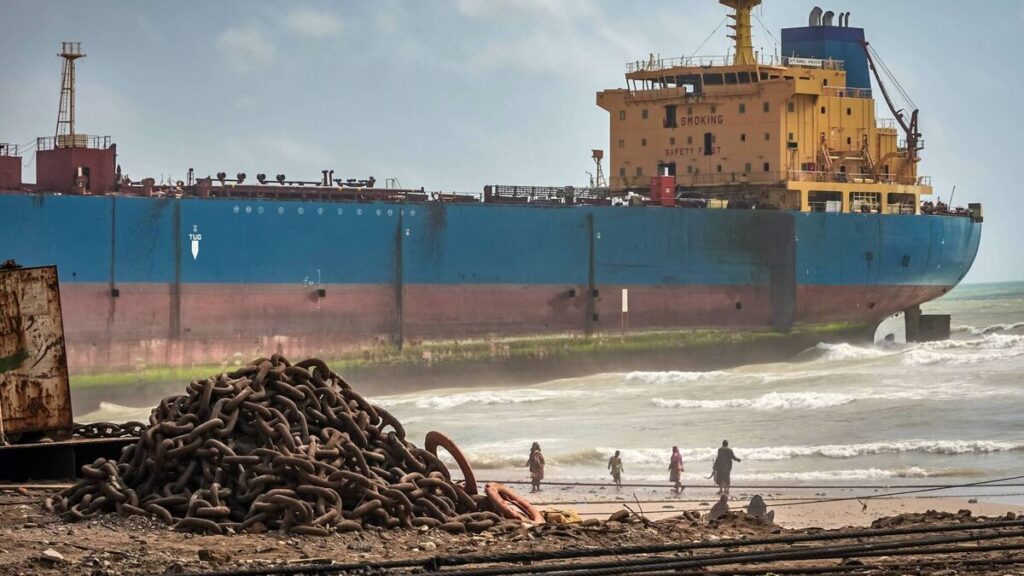
Global efforts have been made to address these issues in recent years, including the introduction of the Hong Kong Convention, which aims to improve safety and environmental standards in ship recycling yards. However, critics argue that these reforms fall short of creating lasting, meaningful change, and much more needs to be done to protect workers and the environment.
This article explores the dangerous world of ship dismantling, examining the risks involved, the effectiveness of international regulations, and the industry’s ongoing challenges. We will also examine the future of ship recycling and what more can be done to ensure a safer, more sustainable approach to dismantling ships.
The Ship Recycling Industry: An Overview
Ship recycling, the process of breaking down decommissioned ships to reclaim valuable materials like steel, copper, and aluminum, is a booming industry in countries like India, Bangladesh, and Pakistan. This section will explore how the industry works, its global importance, and the countries that dominate the shipbreaking sector.
The Hong Kong Convention: A Step Towards Reform
The Hong Kong International Convention for the Safe and Environmentally Sound Recycling of Ships (often referred to as the Hong Kong Convention) was introduced to tackle the health and safety hazards of shipbreaking. This section will provide a detailed overview of the convention, its goals, and how it plans to improve working conditions and environmental standards in ship recycling yards.
The Dangers of Ship Dismantling: Workers on the Edge
Ship dismantling is infamous for its extreme risks. From working in hazardous environments with heavy machinery to exposure to toxic materials, workers face dangers daily. This section will discuss the specific hazards involved in the shipbreaking process, including the risk of explosions, injuries from heavy lifting, and exposure to asbestos.
Why Shipbreaking is So Dangerous: The Mechanics of Dismantling a Ship
The process of dismantling a ship is both physically and technically challenging. Ships are designed for water navigation, not for disassembly. This section will break down the steps of dismantling a ship, explaining why it requires so much precision and the inherent risks involved in cutting through massive steel structures, handling volatile cargo remnants, and more.
The Human Cost: Workers’ Health and Safety in Shipbreaking
Shipbreaking workers often operate in conditions far from ideal, dealing with inadequate safety gear, improper training, and a lack of proper medical attention. This section will focus on the toll this job takes on human health, both physical and mental. We’ll also discuss long-term health conditions like lung disease, hearing loss, and the effects of asbestos exposure.
Environmental Impact: The Toxic Legacy of Ship Recycling
Ship dismantling is not just dangerous for workers but also the environment. Ships contain a variety of toxic substances, such as oil, heavy metals, and other hazardous chemicals that can leach into the environment when mishandled. This section will cover the environmental repercussions of improper shipbreaking practices and how the industry affects local ecosystems, particularly in shipbreaking hubs.
The Role of Governments and NGOs: Addressing the Crisis
While the Hong Kong Convention is an essential step, critics argue that it does not go far enough to enforce safety standards or environmental regulations. In this section, we will explore the roles of various governments, international bodies, and NGOs in addressing the dangers of ship dismantling, ensuring fair labor practices, and mitigating environmental harm.
Economic Implications: The Demand for Ship Recycling and Its Global Impact
Shipbreaking is a profitable industry, but it relies on low wages and high-risk labor in developing countries. This section will analyze the economic side of ship recycling, looking at the demand for scrap metal and how the global shipping industry profits from decommissioning old ships. Additionally, the piece will explore how shipbreaking contributes to local economies in countries like India and Bangladesh.
Technological Innovations in Ship Recycling: A Safer Future?
As the demand for safer and more environmentally sound practices grows, technological innovations are beginning to change the landscape of shipbreaking. This section will explore the latest developments in ship recycling technology, including cutting-edge tools and methods that aim to reduce risks, improve efficiency, and protect workers and the environment.
The Future of Ship Dismantling: What Needs to Change?
As the Hong Kong Convention prepares to take effect, experts argue that more needs to be done to make the industry safer and more sustainable. This section will explore what changes are necessary to ensure a safer and more eco-friendly shipbreaking process. It will examine the potential impact of stricter regulations, advancements in safety protocols, and the push for better working conditions.
Case Studies: Shipbreaking in Action
To better understand the realities of the industry, this section will present several case studies of shipbreaking yards around the world. We will look at both successful stories where improvements have been made and troubling examples where safety standards remain poor and environmental damage is rampant.
Frequently Asked Questions
What is ship dismantling or shipbreaking?
Ship dismantling, also known as shipbreaking, is the process of decommissioning old ships by dismantling them for scrap metal and valuable materials. It involves breaking down ships into their individual components, which are then recycled or sold for reuse. This process is essential for managing the end-of-life of ships, particularly large commercial vessels.
Why is ship dismantling considered so dangerous?
Ship dismantling is one of the most dangerous jobs due to a combination of physical risks and hazardous materials. Workers are exposed to the risk of explosions, heavy machinery accidents, and toxic substances such as asbestos and oil. The physical demands of cutting through thick metal and working in challenging environments add to the dangers.
What is the Hong Kong Convention, and how does it address shipbreaking?
The Hong Kong Convention is an international agreement designed to regulate the safe and environmentally sound recycling of ships. It aims to ensure that ships are dismantled in ways that protect workers’ safety and minimize environmental impact. It sets standards for ship recycling facilities, requiring them to adhere to strict environmental and safety practices.
How does ship dismantling impact the environment?
Improper shipbreaking can cause significant environmental damage, as ships often contain hazardous materials like oil, heavy metals, and other toxic substances. If these materials are not disposed of correctly, they can pollute water, soil, and air in surrounding areas, leading to long-term ecological harm, particularly in shipbreaking regions.
Which countries dominate the ship recycling industry?
The shipbreaking industry is most prominent in developing countries such as India, Bangladesh, and Pakistan. These countries are home to some of the world’s largest and busiest ship recycling yards. However, workers in these regions often face poor working conditions, leading to calls for stricter regulations and better safety standards.
How are advancements in technology improving ship recycling safety?
Recent technological innovations aim to make ship dismantling safer and more environmentally friendly. New machinery, automated processes, and advanced safety equipment are being developed to reduce human labor risks. These advancements help improve efficiency and mitigate exposure to hazardous substances, offering hope for a safer future in ship recycling.
What role do international organizations play in improving shipbreaking conditions?
International organizations, including the International Maritime Organization (IMO) and non-governmental organizations (NGOs), play a key role in advocating for better standards in ship recycling. They push for stronger regulations, provide safety guidelines, and support initiatives aimed at improving the welfare of workers and reducing environmental damage in shipbreaking yards.
How can the ship recycling industry become more sustainable?
To improve sustainability in ship recycling, the industry needs stricter enforcement of environmental regulations, better worker protections, and investments in cleaner technologies. Additionally, promoting the use of more eco-friendly materials in ship construction and encouraging responsible disposal practices can help mitigate the long-term environmental impact of shipbreaking.
What are the main challenges in enforcing safety standards in shipbreaking yards?
Enforcing safety standards in shipbreaking yards is challenging due to a lack of resources, insufficient regulations, and the informal nature of many ship recycling operations. Many of the world’s largest shipbreaking facilities are located in countries with limited oversight, making it difficult to implement and monitor safety protocols effectively. As a result, workers continue to face high risks in unsafe conditions.
Can the Hong Kong Convention fully resolve the issues in shipbreaking?
While the Hong Kong Convention represents a significant step forward in regulating ship dismantling, critics argue that it is not enough to fully address the industry’s issues. The convention’s reliance on voluntary compliance, combined with gaps in enforcement, means that many shipbreaking yards may not meet the required standards. Stronger global cooperation and more stringent regulations are necessary to make a meaningful impact on safety and environmental protection.
Conclusion
While the ship recycling industry is indispensable for the global economy, it remains fraught with dangers. The introduction of the Hong Kong Convention is a step in the right direction. Still, it must be coupled with stronger enforcement and international collaboration to ensure that the world’s shipbreaking yards become safer, cleaner, and more humane.
