



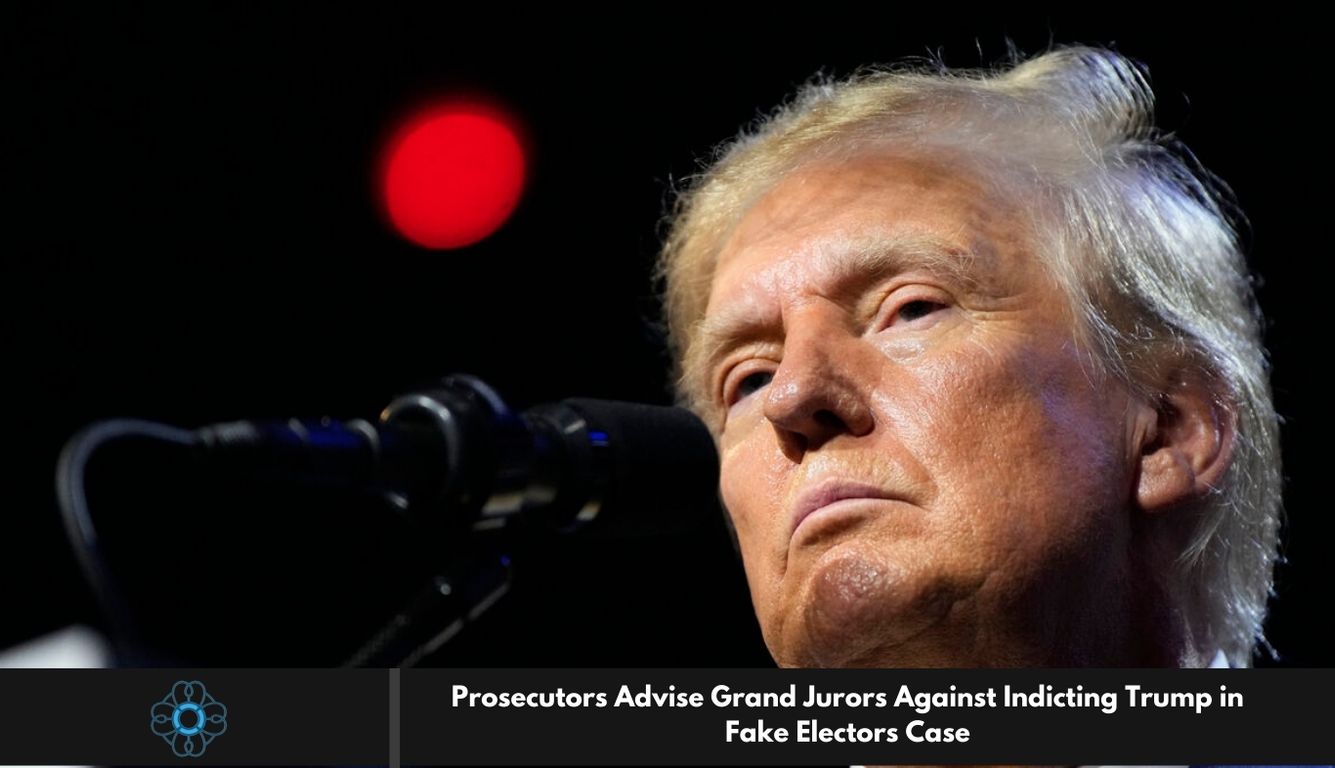

The Arizona grand jury recently concluded its investigation into the fake elector’s case, which centered around claims made by supporters of Donald Trump following the 2020 election. While the jury indicted 18 individuals for attempting to falsely certify Trump’s victory in the state, it did not move forward with charges against the former president. Prosecutors played a crucial role in guiding the jury’s decision, advising against indicting Trump despite the significant political implications.

This decision raises important questions about the legal boundaries of accountability for high-profile figures involved in election-related schemes. While the focus was initially on the local figures submitting false electors, the investigation ultimately turned toward Trump’s potential involvement. Despite the grand jury’s interest in charging him, prosecutors argued that there was insufficient evidence to meet the legal threshold for an indictment.
As the legal process continues, this case reminds us of the challenges involved in prosecuting individuals at the highest levels of government. The implications for the 2024 presidential election and the broader conversation about election integrity remain significant, as the investigation may have lasting effects on Trump’s political future and the public’s trust in the electoral system.
Background of the Arizona Fake Electors Case
The Arizona fake electors case revolves around the claims made by Republican supporters of Donald Trump after the 2020 presidential election. Trump’s supporters in the state attempted to undermine the legitimate results of the election by falsely declaring that Trump had won, despite the official results showing Joe Biden as the victor.
This case is part of a broader investigation into efforts to challenge the legitimacy of the 2020 election. Arizona prosecutors have been scrutinizing the role of several individuals who allegedly participated in the fake electors scheme, which included submitting false certificates of election results to Congress.
The Role of Donald Trump in the Fake Electors Scheme
While the case initially focused on local Republican figures, Donald Trump’s involvement has been central to the investigation. Trump and his allies are accused of encouraging or facilitating the submission of false electors in several swing states, including Arizona. The case explores whether Trump played a direct role in orchestrating these efforts or merely condoned the actions of his supporters.
The question of whether Trump should face legal consequences for his role in the scheme has been controversial. The grand jury in Arizona considered charging Him, but prosecutors ultimately argued against it.
The Arizona Grand Jury’s Investigation
The Arizona grand jury spent 18 days hearing testimony related to the fake electors case. During this period, the jurors were presented with evidence of Trump supporters’ actions in falsely claiming that Trump had won the state.
The grand jury’s role was to determine whether there was sufficient evidence to charge those involved in the scheme, including Donald Trump. Grand juries typically evaluate whether probable cause exists to charge individuals with a crime. In this case, the focus was on whether Trump’s actions rose to the level of criminal conduct.
Prosecutors’ Argument Against Indicting Trump
According to court documents, prosecutors argued that there was insufficient evidence to indict Trump in the fake electors case. Despite the grand jury’s interest in considering charges against the former president, prosecutors contended that Trump and his supporters’ actions did not meet the legal threshold for an indictment.
Prosecutors emphasized that while Trump’s conduct in attempting to challenge the election results was concerning, there was a lack of concrete evidence to prove criminal intent. Additionally, they pointed out that Trump had not directly participated in submitting the false electors’ certificates, which could have been pivotal in determining whether charges were warranted.
Legal and Political Ramifications of the Decision
The decision not to indict Trump has significant legal and political ramifications. Legally, it underscores the challenges prosecutors face in proving criminal conduct at the highest levels of government, mainly when it involves a former president. Politically, the decision may impact Trump’s standing in the 2024 election as the legal scrutiny surrounding his actions continues.
The case also highlights the broader national debate over election integrity, with many critics of Trump viewing the fake electors scheme as an attempt to subvert democracy. Conversely, Trump’s supporters argue that he was exploring all legal avenues to contest the election results.
The Impact on the 2024 Election
The Arizona grand jury’s decision not to indict Trump could have far-reaching consequences for the 2024 presidential election. While the legal process continues, the case serves as a reminder of the contentious political landscape surrounding Trump’s post-presidency.
Should additional investigations or charges arise, they could further complicate Trump’s campaign and influence public opinion. The outcome of the case in Arizona could also set a precedent for similar investigations in other swing states where Trump’s allies attempted to alter the results of the 2020 election.
Public Reaction to the Grand Jury’s Decision
The public reaction to the grand jury’s decision has been mixed. Some legal experts and politicians believe that the decision reflects the difficulty of prosecuting high-profile individuals like Trump, mainly when the evidence is circumstantial. Others argue that the decision was politically motivated and that Trump should have faced charges for his involvement in the scheme.
Protests and demonstrations from both Trump’s supporters and critics have underscored the polarized nature of the case. The decision not to indict Trump has further fueled debates about the balance between legal accountability and political influence in the American justice system.
What’s Next for the Fake Electors Case?
While Trump may not face charges in the Arizona fake electors case, the investigation is far from over. The remaining 18 individuals who were indicted will face trial, and new developments in the case could lead to further legal action against Trump or his allies.
Additionally, the case could inspire similar investigations in other states, where Trump’s supporters attempted to falsify election results. The legal precedent set by the Arizona case may influence how these different cases are handled, potentially shaping the future of election law in the United States.
Frequently Asked Questions
What is the case of fake electors in Arizona?
The fake elector’s case in Arizona involves allegations that Republican supporters of Donald Trump falsely declared that he had won the state in the 2020 presidential election. These individuals submitted fraudulent certificates to Congress, claiming that Trump had won the election despite official results showing that Biden was the victor.
Why didn’t the grand jury indict Donald Trump in the fake electors case?
Prosecutors advised the grand jury against indicting Donald Trump, arguing that there was insufficient evidence to prove that he directly participated in the fraudulent electors scheme. While the grand jury indicted 18 other individuals involved, prosecutors determined that Trump’s actions did not meet the legal threshold for criminal charges.
How did prosecutors influence the grand jury’s decision?
Prosecutors advised the grand jury not to pursue charges against Trump. They explained that although there were concerns about Trump’s role in attempting to challenge the 2020 election results, the evidence did not conclusively show criminal intent or direct involvement in the submission of false electors.
What does this decision mean for Donald Trump’s political future?
The decision not to indict Trump in the Arizona case does not remove him from scrutiny in the broader investigations into his role in the 2020 election. While it may have short-term implications for his campaign, the ongoing legal battles could continue to shape his standing as a candidate in the 2024 election.
Could this decision impact future election-related investigations?
The Arizona case sets a precedent for how similar investigations in other states might proceed, especially those concerning Trump’s role in attempts to overturn the 2020 election. The legal process, in this case, could influence the way future election integrity issues are handled, particularly regarding high-profile figures like Trump.
What is the significance of the Arizona grand jury’s decision?
The Arizona grand jury’s decision not to indict Trump is significant because it underscores the challenges prosecutors face when dealing with high-profile political figures. It also highlights the complexities of determining legal responsibility for actions related to election interference, especially when evidence of direct involvement is unclear.
Who were the 18 individuals indicted in the fake electors scheme?
The 18 individuals indicted in the fake electors scheme were Republican supporters who falsely submitted documents to Congress claiming that Trump had won Arizona in the 2020 election. They were charged with participating in efforts to undermine the election results and support Trump’s attempts to overturn the legitimate outcome.
Could other states pursue charges against Trump related to the fake electors scheme?
Yes, other states could still pursue charges against Trump or his allies if similar evidence of fraudulent electors or election interference is found. Investigations in swing states where Trump’s supporters attempted to alter the 2020 election results are ongoing, and new charges could be brought if sufficient evidence emerges.
What are the legal challenges in prosecuting election-related crimes like this?
Prosecuting election-related crimes, especially involving high-profile figures like Trump, is legally challenging because it requires proving criminal intent and direct involvement in fraudulent actions. Election fraud cases often involve complex legal arguments and evidence, making it challenging to secure indictments, mainly when political motivations are concerned.
How does the public view the decision not to indict Trump?
Public opinion on the decision not to indict Trump is divided. Some view it as a reflection of the legal challenges in prosecuting such a high-profile figure, while others believe it was a missed opportunity to hold him accountable. The decision has fueled ongoing debates about the role of legal accountability in politics.
Conclusion
The Arizona grand jury’s decision not to indict Donald Trump in the fake electors case is a significant moment in the ongoing investigation into the events surrounding the 2020 election. While the case has sparked intense debate, it highlights the complexities of prosecuting high-profile figures in politically charged cases. As the legal proceedings continue, the broader implications for the 2024 election and the future of American democracy remain uncertain. The outcome may still influence the future of American democracy and the 2024 election.
