


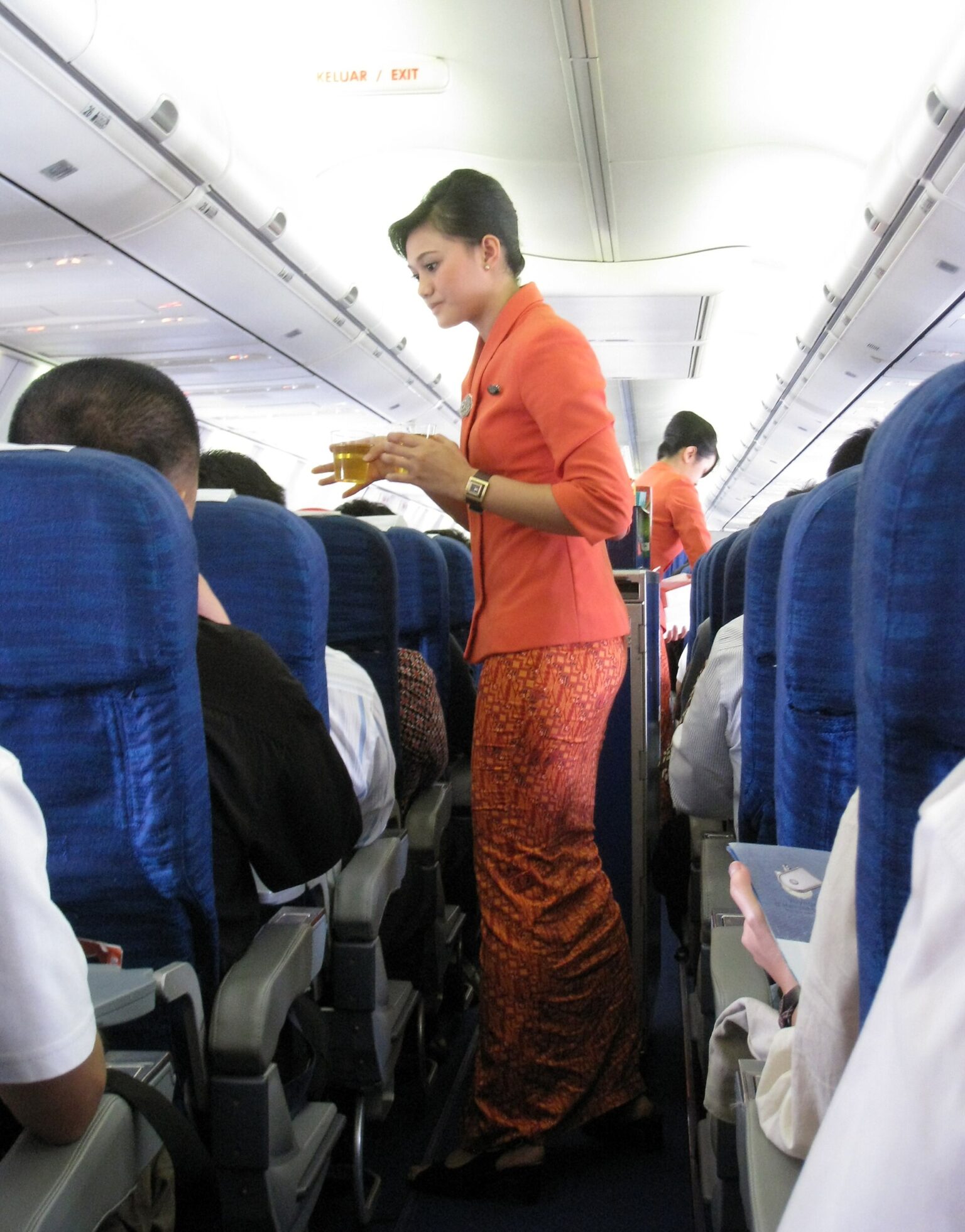

Flight attendants and pilots face the highest risk of dying from radiation-related cancers of any occupation — higher even than people who work directly with radioactive materials, according to a major new study of more than 12 million death certificates published in JAMA Internal Medicine.
What 12 Million Death Records Showed
Researchers examined deaths across more than 500 occupations, focusing on cancers tied to radiation exposure, including leukaemia, lymphoma and cancers of the skin, breast, thyroid and prostate. Flight attendants ranked first and pilots second for the share of deaths from these cancers, a pattern our news team found striking given aviation’s strong safety culture in other areas.
Cosmic radiation is the study’s underlying suspect. At cruising altitude, crews are shielded by far less atmosphere than people on the ground, and over a career the exposure accumulates to levels comparable with some ground-based radiation work — without, historically, the same formal monitoring culture that surrounds nuclear or medical imaging staff.
The Numbers Behind the Risk
Flight attendants had roughly 50 per cent higher odds of dying from a radiation-related cancer than the general working population; for pilots the figure was about 36 per cent. In absolute terms, about 6.9 per cent of flight attendant deaths were from these cancers — roughly one in fourteen — compared with 5 per cent in the general working population. Crucially, neither group showed elevated deaths from cancers unrelated to radiation.
The fact that non-radiation cancers showed no similar elevation strengthens the occupational interpretation, the commentary writers noted, because it argues against the results being explained purely by lifestyle differences between aircrew and other workers. Absolute risks remain modest for any individual, but across hundreds of thousands of crew worldwide the population-level signal is hard to ignore.
Flight Attendants’ Exposure at Altitude Is Hard to Track
The authors acknowledged a key limitation: they could not measure how much cosmic radiation each individual actually absorbed over a career, which varies by route, altitude and years of service. Commentators said the study brings important new evidence to a long-running occupational health debate. Details are in the Associated Press health report.
Unions have periodically raised radiation in negotiations over rosters and route assignments, particularly on polar routes where exposure is higher. The authors of the new analysis say better exposure records — actual dosimetry rather than job titles — are the essential next step if airlines and regulators are to set sensible limits.
Airlines have long monitored crew exposure informally; researchers say this study strengthens the case for treating radiation at altitude as a formal, tracked workplace hazard.
