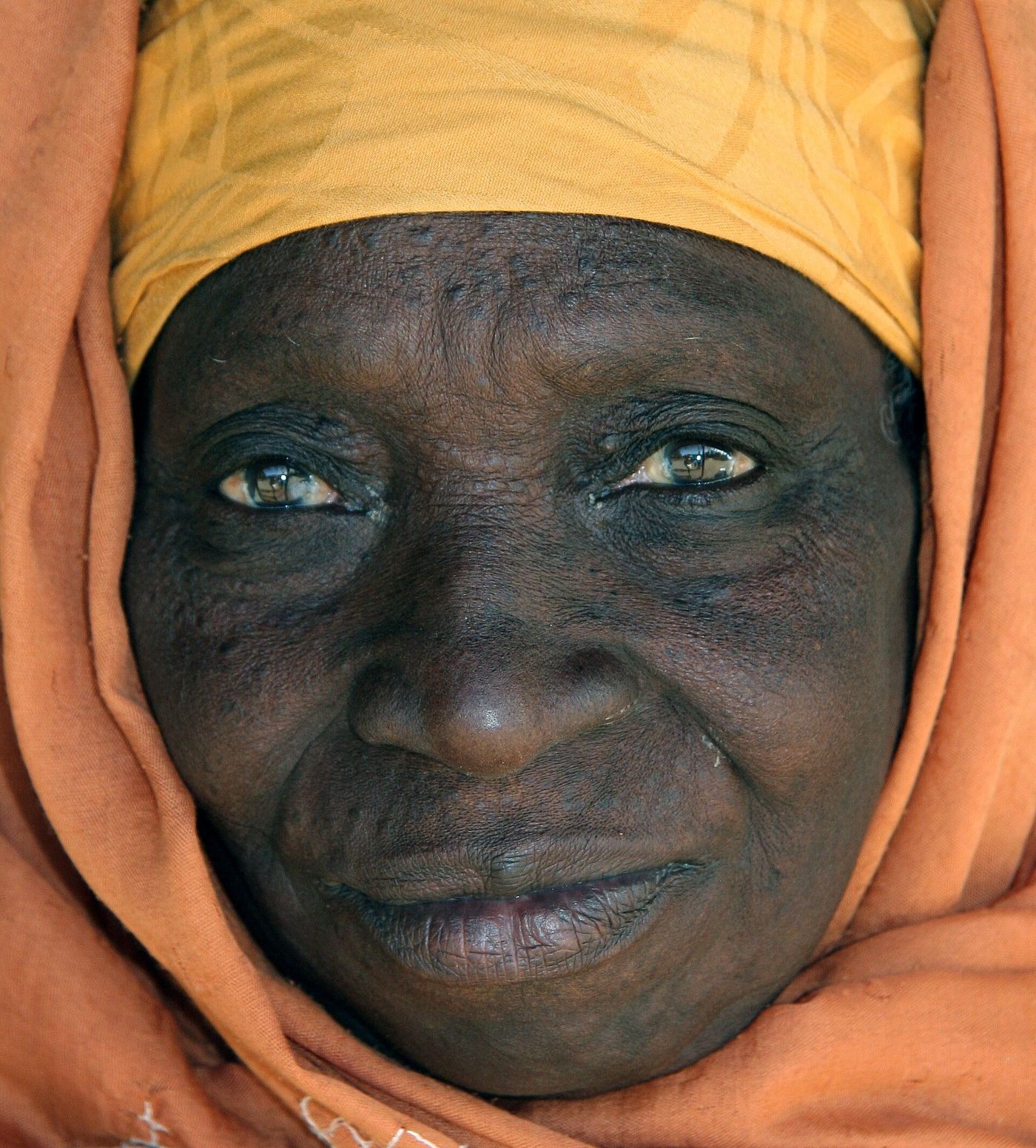

Living in a cold home is a serious health risk for older people, and doctors warn that the danger grows as winter arrives and heating bills rise. Older bodies are less able to regulate temperature, and prolonged exposure to cold can raise blood pressure, strain the heart, and increase the risk of chest infections and falls. Respiratory conditions such as asthma and chronic bronchitis often worsen in cold, damp homes, while low temperatures can make joints stiffer and movement slower. Many older people keep the heating off to save money, or heat only one room, without realising how much the cold is affecting their health. Health agencies generally advise keeping main living rooms warm through the day and the bedroom warm at night. Damp and mould, which often go hand in hand with cold homes, can further irritate lungs and worsen breathing problems through the winter months.
What the Evidence Shows
Practical steps can reduce the risk even when money is tight. Dressing in layers, wearing warm socks and a hat indoors, and using blankets and hot drinks all help the body stay warm. Heating the rooms that are used most, rather than the whole house, and closing curtains at dusk to keep heat in, can cut costs while keeping temperatures safer. Family, friends and neighbours can help by checking on older people during cold spells and making sure they have food, medicine and a working heating system. Support schemes for heating costs exist in many countries, and local services can advise on what help is available. A warm home is not a comfort alone; for older people in winter, it is a matter of health. Energy advice services can check whether a household is on the cheapest tariff and whether any grants or discounts are available to help with heating costs. Reporting and analysis from sources such as The Lancet track the same developments, and specialists following cold homes and health say the direction is now consistent across independent lines of evidence.
The Wider Context
Equity runs through every discussion of cold homes and health. Interventions that require apps, fees or free weekday afternoons reliably reach the people who need them least, so the programmes earning praise are those designed around clinics, workplaces and community venues that already serve everyone. Evaluation reports now publish uptake by income and region as a matter of routine.
What Happens Next
The practical takeaway on cold homes and health is deliberately unglamorous: it works best as part of ordinary, well-delivered care rather than as a standalone fix. Health services are planning on that basis, building the referral routes and follow-up that turn a promising result into population benefit. The gains arrive slowly and then, in the statistics, unmistakably. You can follow related developments in our coverage of health.
It is also worth remembering how quickly the picture in this area has changed before. Positions that looked settled a few years ago have been revised as new data arrived, and the same humility is appropriate now. The strongest coverage of this subject, and the most useful advice, tends to come from sources that update their views openly when the facts move, rather than defending an earlier position long after it has stopped fitting the evidence available.