



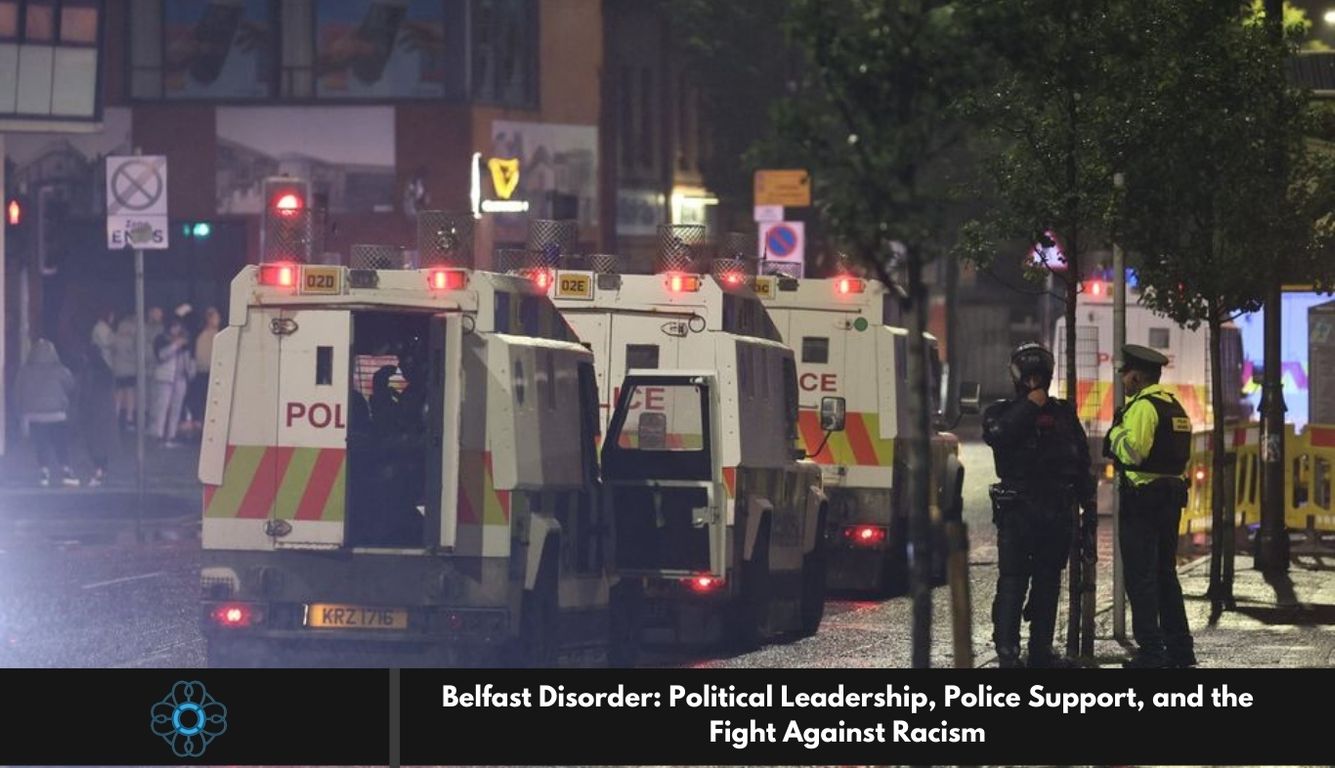

Recent scenes of violent disorder in Belfast have captured the attention of the world as tensions rise due to anti-immigration protests and clashes between protesters and the police. The turmoil has led to significant political and social consequences, with Northern Ireland’s leadership calling for unity and robust responses to the violence.
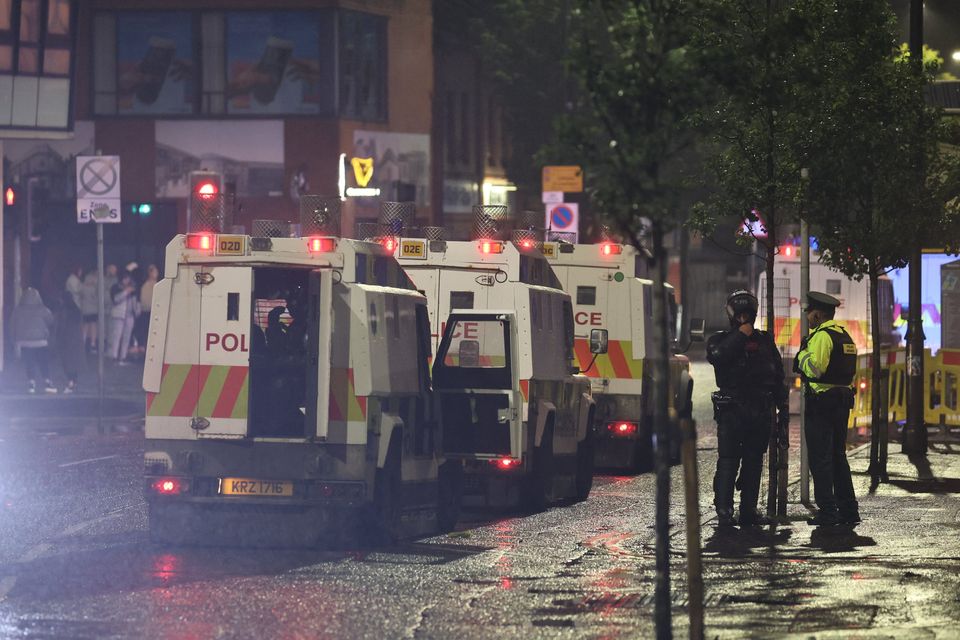
In this article, we will explore the ongoing disorder, political reactions, the role of the Police Service of Northern Ireland (PSNI), and efforts to restore order while combating racism and social division.
Understanding the Belfast Disorder: Causes and Events
In recent days, Belfast has seen a wave of violent disorder fueled by misinformation and growing social tensions. The spark for this unrest appears to be linked to the tragic incident in Southport, where three girls were fatally stabbed. This tragedy, compounded by misinformation spread online, has ignited protests and violence in Northern Ireland’s capital.
The disorder has resulted in significant destruction, including attacks on businesses owned by members of minority ethnic backgrounds and physical confrontations with police officers. The violence spread across various areas of Belfast, notably South, North, and West Belfast, with scenes of rioting taking place over multiple nights.
Political Leadership’s Response: Uniting Against Violence and Racism
Northern Ireland’s First Minister, Michelle O’Neill, emphasized the importance of political unity in addressing the violence and condemning racist acts. She stated that leaders must “speak with one voice” to reject violence, intimidation, and racism while advocating for an inclusive society. Her comments highlight the need for a united response from political parties, as well as a collective condemnation of the recent disorder.
O’Neill’s message resonated during the Executive meeting held at Stormont Castle, where political leaders gathered ahead of the Northern Ireland Assembly’s recall. The presence of the PSNI’s Chief Constable, Jon Boutcher, underscored the importance of collaboration between law enforcement and political leadership to restore order.
The Role of the PSNI in Containing the Disorder
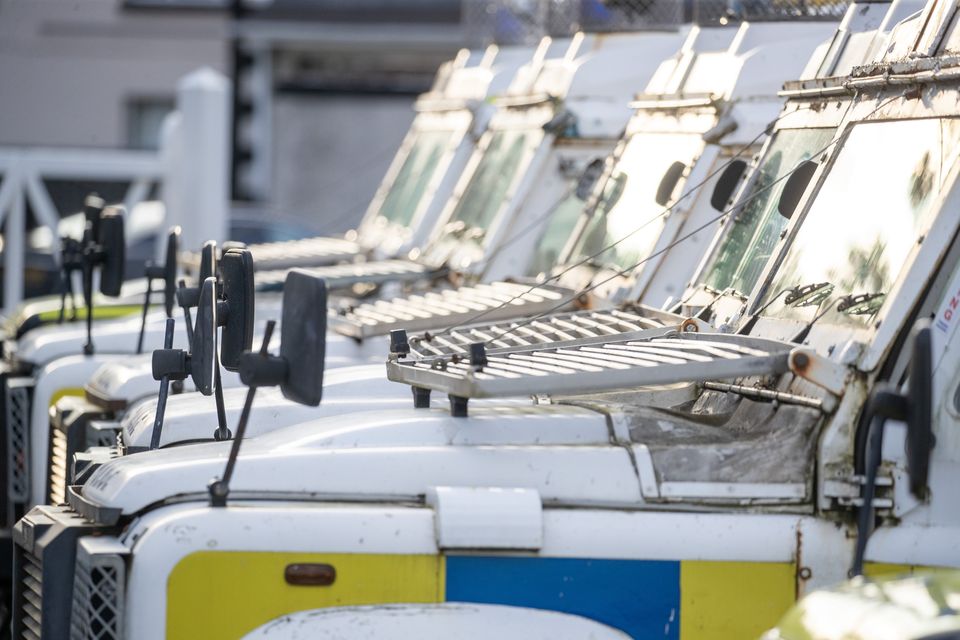
The Police Service of Northern Ireland (PSNI) has been at the forefront of the effort to manage the disorder in Belfast. As the violence escalated, the PSNI made a formal request for additional officers from across the United Kingdom. The request for Mutual Aid support aims to bolster the resilience of the police force in managing public disorder and the ongoing protests.
Assistant Chief Constable Melanie Jones explained that the additional officers will receive the necessary training and equipment to ensure they can effectively assist with policing efforts. The PSNI is also mobilizing its existing resources to respond to the crisis, with officers working extended shifts and additional staff deployed across the city.
The Importance of Addressing Racism in the Aftermath of Violence
One of the core issues highlighted by political leaders and community organizations is the need to address racism. The violence and destruction caused by anti-immigration protests reflect broader societal tensions, particularly with regard to racial integration and minority rights. First Minister O’Neill’s call to action emphasized that the political leadership must stand firm against racism, as it has no place in Northern Ireland’s future.
The continued rise of racist violence in Belfast is a reminder of the work that remains to be done in combating prejudice and promoting social cohesion. The tragic targeting of minority-owned businesses and attacks on ethnic communities reinforce the need for strong anti-racism initiatives and policies.
Community and Political Reactions to the Disorder
The Irish Congress of Trade Unions (ICTU) organized a rally outside Parliament Buildings to show solidarity with the victims of the violence and to oppose the rioting that has plagued the streets of Belfast. The rally sent a clear message that the people of Northern Ireland reject racism and violence and support peaceful demonstrations in favor of integration and unity.
Political leaders across the spectrum condemned the violence, with many emphasizing the need for restorative justice and social inclusion. Secretary of State Hilary Benn also spoke out against the racist violence, highlighting the damaging impact it has on the community. He expressed his deep concern over reports that some individuals no longer feel safe in their homes, underscoring the urgent need for action.
Legal Consequences and Arrests
The recent violence led to multiple arrests, with four men and a 15-year-old boy facing charges related to the rioting. The court remanded these individuals as part of efforts to hold those responsible accountable. The legal process, including the prosecution of offenders, serves as a deterrent to further disorder and sends a strong message that violent behavior will not be tolerated.
In addition to the arrests, several individuals have been charged with criminal damage and public order offenses. The legal system is expected to play a key role in addressing the root causes of the violence, including the spread of misinformation and the involvement of paramilitary groups in orchestrating some of the unrest.
The Need for a Comprehensive Strategy: Race Relations and Integration
In response to the violence, political leaders have also highlighted the importance of addressing racial inequality and promoting refugee integration. The draft Refugee Integration Strategy, which is under consideration, is one of the key policy proposals to enhance social cohesion and mitigate tensions. This strategy aims to foster inclusivity by promoting better understanding between different communities and ensuring that people from all backgrounds feel welcome in Northern Ireland.
Additionally, the Racial Equality Strategy 2015-25 will be updated, and the Northern Ireland Executive has committed to developing a renewed Race Relations Order to help guide policy and address the challenges facing minority communities. The ongoing discussions around these initiatives reflect the government’s commitment to creating an inclusive society where racial intolerance is not tolerated.
The Role of Public Support and Community Building
Restoring peace and unity in Belfast will require more than political and legal responses—it will also depend on community engagement. Support for the victims of violence and efforts to rebuild trust between communities will be crucial for long-term peace.
Community leaders, civil society organizations, and grassroots movements will play an essential role in fostering reconciliation and ensuring that Northern Ireland moves toward a future that values diversity and inclusivity. Public support for anti-racism campaigns, as well as efforts to promote cross-cultural understanding, will be vital in addressing the root causes of the unrest.
Frequently Asked Questions
What triggered the recent disorder in Belfast?
The unrest was sparked by anti-immigration protests following misinformation spread online, compounded by a tragic stabbing incident in Southport. These events led to escalating violence, including attacks on police, businesses, and minority communities.
What areas in Belfast have been affected by the disorder?
The violence has been reported in South, North, West, and East Belfast, with notable incidents of rioting, attacks on police officers, and the destruction of businesses owned by minority ethnic communities.
What measures are the Police Service of Northern Ireland (PSNI) taking to address the situation?
The PSNI has mobilized its resources, with officers working extended shifts and additional staff deployed. They have also requested Mutual Aid officers from across the UK for extra support in managing the disorder and protests.
What role does political leadership play in resolving the crisis?
Northern Ireland’s political leaders, including First Minister Michelle O’Neill, have called for unity and condemned violence, racism, and intimidation. The Northern Ireland Assembly has been recalled to discuss the situation, and efforts are underway to promote racial equality and social cohesion.
How is the community responding to the violence?
Organizations like the Irish Congress of Trade Unions (ICTU) have led rallies to oppose the violence and show solidarity with affected communities. Grassroots movements and civil society are also working to rebuild trust and promote inclusivity.
What legal actions have been taken against those involved in the riots?
Several individuals, including four men and a 15-year-old boy, have been charged with offenses related to rioting and criminal damage. These legal actions aim to deter further violence and hold perpetrators accountable.
What are the key policy initiatives proposed to address racism?
The Northern Ireland Executive plans to finalize the Refugee Integration Strategy and update the Racial Equality Strategy 2015-25. These initiatives aim to promote inclusivity and address systemic racial inequalities in society.
Why has the PSNI requested officers from the rest of the UK?
The PSNI requires additional personnel to effectively manage the rising violence and public disorder. The Mutual Aid officers will provide critical support, ensuring public safety and maintaining order during the ongoing unrest.
What is being done to counter misinformation fueling the violence?
Efforts are underway to identify and address the spread of false information online, which has significantly contributed to the unrest. Public awareness campaigns and social media monitoring are key strategies being employed.
How can the public support efforts to restore peace in Belfast?
The public can participate in anti-racism campaigns, engage in community-building activities, and support local businesses affected by the violence. Reporting misinformation and promoting peaceful dialogue are also crucial steps in fostering unity.
Conclusion
The recent disorder in Belfast has highlighted deep societal issues that must be addressed if Northern Ireland is to move forward in peace and unity. The combined efforts of political leaders, law enforcement, and community organizations will be crucial in eradicating violence and racism are eradicated. As the situation evolves, Northern Ireland must remain committed to building an inclusive society where all individuals, regardless of their race or background, can live safely and peacefully.
By taking a strong stance against racism, supporting effective law enforcement, and fostering inclusive policies, Belfast and Northern Ireland can emerge from this crisis stronger and more united. The path forward requires a commitment from all sectors of society to reject violence, promote understanding, and work towards a better, more cohesive future.
