



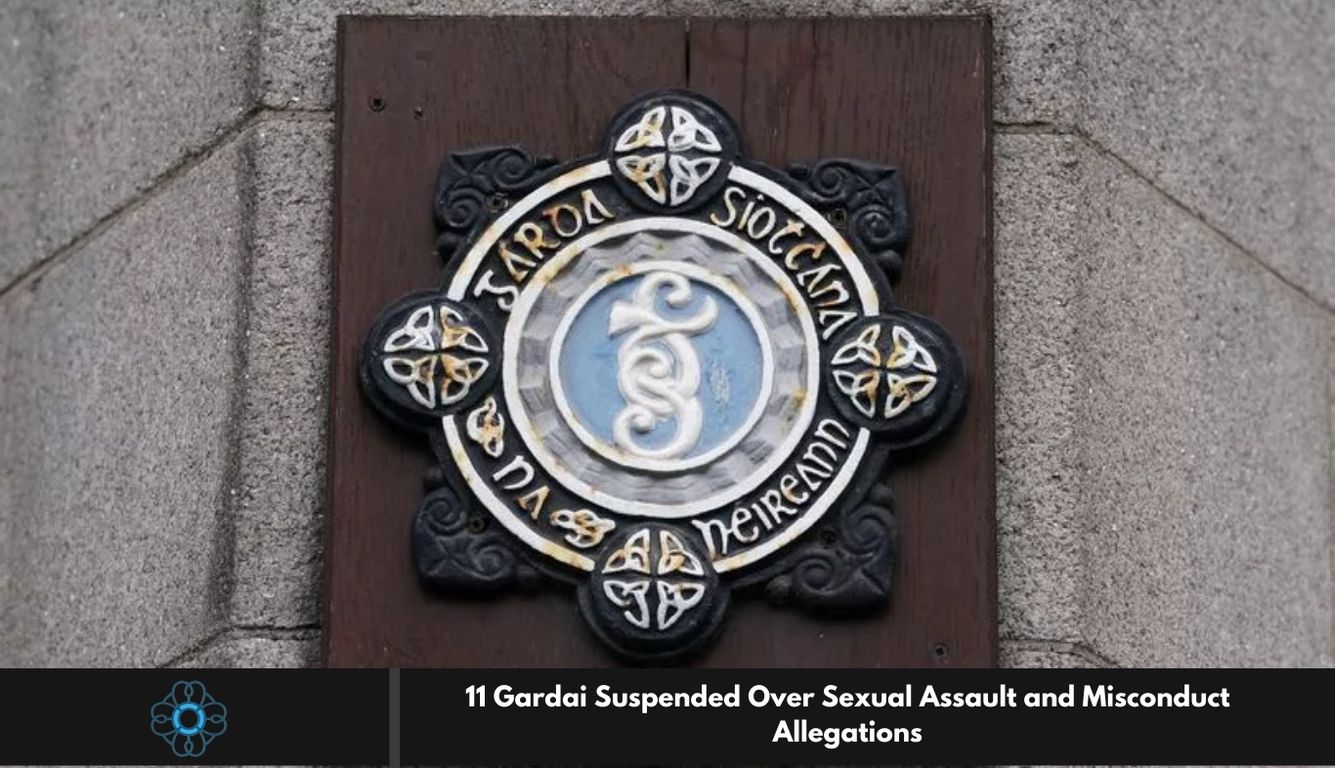

The suspension of 11 members of the Garda Síochána, Ireland’s national police force, has raised serious concerns across the country. These officers are facing allegations of sexual assault and misconduct, prompting their placement on administrative leave while investigations are conducted by both the Garda and the Garda Síochána Ombudsman Commission (GSOC).

The ongoing investigations aim to ensure transparency and accountability in addressing these grave allegations. The case highlights a broader issue of misconduct within the Garda force, bringing attention to the need for effective measures to address such incidents within law enforcement.
This situation raises important questions about how law enforcement agencies handle allegations of misconduct, particularly when it involves officers who are expected to uphold the law. It also underscores the ongoing need for stronger oversight and reforms within police forces to prevent abuses of power and protect public trust.
Overview of the Garda Síochána and its Role in Irish Law Enforcement
The Garda Síochána is Ireland’s national police force. Established in 1922, it enforces the law, maintains public order, and ensures the safety and security of citizens. The force operates under the Ministry of Justice and has become a pivotal institution in Irish society.
The Garda’s responsibilities include preventing crime, investigating offenses, apprehending offenders, and providing various policing services to communities across Ireland. With over 14,000 officers, the Garda Síochána is a critical part of Ireland’s criminal justice system.
However, as with many law enforcement agencies worldwide, the Garda force has faced criticism over the years regarding misconduct within its ranks. The recent suspensions and allegations of sexual assault and misconduct further complicate the public’s perception of the force’s credibility.
Allegations Against Gardai: Sexual Assault and Misconduct
Eleven Gardai have been suspended after allegations of sexual assault and sexual misconduct surfaced. These serious allegations have led to an ongoing investigation by the Garda force itself, alongside independent scrutiny by the Garda Síochána Ombudsman Commission (GSOC).
Sexual assault within law enforcement agencies is a deeply troubling issue. It not only undermines the integrity of the police force but also erodes public trust in the system. The allegations against these officers raise concerns about the culture within the Garda Síochána and the measures in place to prevent such abuses of power.
Each of the accused officers has denied the allegations and is working to clear their names. As investigations continue, it remains to be seen what actions, if any, will be taken against them. The outcomes of these investigations will likely have significant ramifications for the Garda force as a whole.
The Role of GSOC in Investigating Allegations
The Garda Síochána Ombudsman Commission (GSOC) plays a pivotal role in investigating allegations of misconduct within the Garda force. GSOC is an independent body that holds members of the Garda accountable when they are accused of wrongdoing.
Established in 2005, GSOC is empowered to investigate complaints made against Gardai, including allegations of sexual assault, abuse of power, and other forms of misconduct. The commission also investigates incidents where Gardai may have been involved in criminal activities or breaches of public trust.
In this case, GSOC is working alongside the Garda force to conduct thorough investigations into the allegations of sexual assault and misconduct. Their independent oversight is crucial in ensuring transparency and maintaining the integrity of the investigative process.
The Suspension of 11 Gardai: What We Know So Far
The suspensions of the 11 Gardai accused of sexual assault and misconduct were disclosed in Garda Commissioner Drew Harris’ report to the Policing Authority in July 2024. While details of the individual cases remain under investigation, it is clear that these allegations represent a significant breach of public trust.
The suspensions are a necessary step in maintaining the credibility of the Garda Síochána. While the accused officers deny the allegations, the decision to suspend them ensures that the investigations can proceed without interference or potential risks to public safety.
In addition to the sexual assault allegations, eight other Gardai are also under investigation for domestic violence and coercive control. These cases further underscore the critical need for accountability and transparency within law enforcement agencies.
Other Types of Misconduct Within the Garda Force
While sexual misconduct and assault are the most serious allegations, various other types of misconduct have surfaced within the Garda Síochána in recent years. These include:
Theft/Forgery/Fraud: Several Gardai have been accused of criminal activity related to theft and fraud.
Driving Under the Influence: Some officers have faced allegations of driving under the influence of alcohol or drugs.
Abuse of the Pulse System: Misuse of police data systems, such as Pulse, has been a recurring issue.
Corruption and Criminal Association: Allegations of officers being involved in corrupt practices or criminal organizations.
These varied cases highlight the broader issue of misconduct within the force, and they emphasize the need for reform to prevent such incidents from occurring in the future.
Investigations and Accountability Measures in Ireland
In Ireland, the investigation of Garda misconduct is taken very seriously. The GSOC’s role in conducting independent investigations ensures that there is oversight and accountability. Additionally, Garda members are subject to disciplinary procedures, which can lead to suspension, demotion, or even dismissal from the force.
The Garda force also has an internal system for handling complaints and allegations of misconduct. However, in recent years, there has been increased pressure for greater external oversight, particularly in cases involving serious allegations such as sexual assault.
Recent reforms have sought to strengthen the mechanisms for dealing with Garda misconduct. Still, the ongoing allegations highlight that more needs to be done to improve transparency and public trust in the force.
Statistics on Garda Suspensions and Retirements in 2023
Garda Commissioner Drew Harris’ report highlighted not only the suspensions but also trends in retirements and resignations from the Garda force. In 2023, nearly 500 Garda members left the force, including:
319 retirements
169 resignations
This high turnover rate signals that there may be underlying issues affecting the recruitment and retention of officers. The combination of allegations, suspensions, and departures from the force could have a long-term impact on the capacity and morale of the Garda Síochána.
The Impact of Misconduct on the Public’s Trust in Law Enforcement
When allegations of sexual assault and misconduct arise within law enforcement agencies, the consequences can be profound. Public trust in the police is critical for effective policing, and such allegations can significantly damage the relationship between the Garda Síochána and the communities it serves.
Efforts to restore this trust must include greater transparency in investigations, stronger accountability mechanisms, and a cultural shift within the force to prioritize integrity and ethical conduct.
What Happens Next: The Future of Suspended Gardai
The future of the suspended Gardai remains uncertain. While all of the accused deny the allegations, the ongoing investigations will determine whether they will return to duty or face further disciplinary actions. If the allegations are substantiated, these officers could face criminal charges or be permanently removed from the force.
Additionally, the wider implications for the Garda force will depend on how the cases are handled and whether reforms are introduced to prevent future misconduct.
Conclusion
The suspension of 11 Gardai and the ongoing investigations into sexual assault and misconduct highlight serious issues within Ireland’s law enforcement system. While the Garda Síochána plays an essential role in maintaining public order, recent allegations underscore the need for stronger oversight, greater accountability, and ongoing reforms.
