



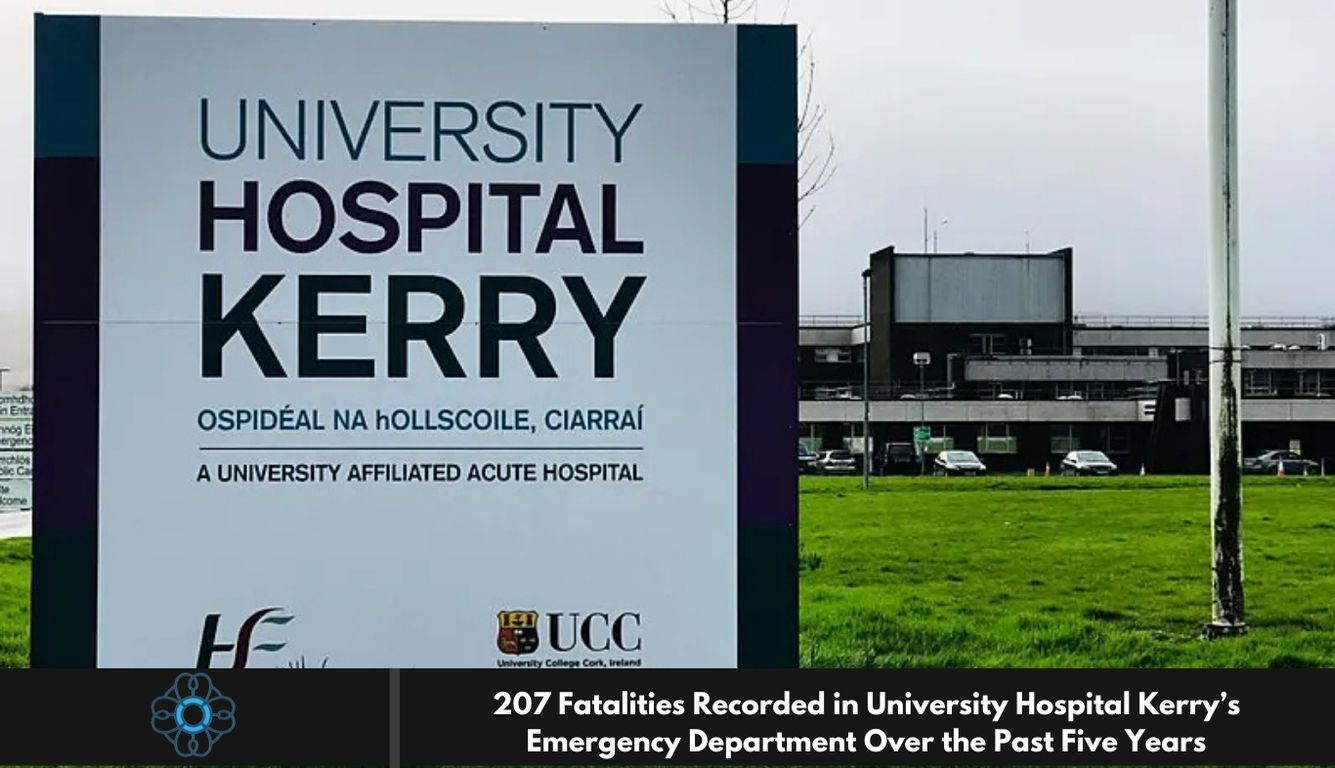

Over the past five years, University Hospital Kerry (UHK) has seen a concerning number of fatalities within its emergency department (ED), with 207 deaths recorded between 2019 and 2023. This data, gathered by the Irish Medical Times, highlights the challenges faced by emergency departments across the country, where patients often present in critical or life-threatening conditions.
While the figures may seem alarming, they reflect the nature of emergency care, where individuals with severe, often irreversible conditions, such as chronic illnesses or major trauma, arrive for immediate treatment. In many cases, patients are already in their final moments, making successful intervention difficult.
Understanding the reasons behind these deaths is crucial to assessing the overall functioning of the healthcare system. This article will explore the key factors contributing to the high mortality rate at UHK’s emergency department and discuss the responses of the Health Service Executive (HSE) to these concerns.
The Data Behind the Numbers: Breakdown of Deaths at UHK’s Emergency Department (2019-2023)
The figures reported by the Irish Medical Times paint a stark picture of the mortality rate at University Hospital Kerry’s emergency department over the past five years. These deaths occurred due to a variety of reasons, including unexpected deteriorations in chronic conditions, trauma, and sudden medical emergencies.
Year-by-Year Analysis of Deaths at UHK
2019: 37 deaths
2020: 45 deaths
2021: 38 deaths
2022: 49 deaths (the highest number recorded)
2023: 38 deaths
While these numbers might seem high, they reflect the nature of emergency departments, where patients often arrive in critical conditions with little time for intervention.
National Comparison: The State of Emergency Departments Across Ireland
Nationwide, the statistics are equally concerning. Cork University Hospital recorded the highest number of deaths, with 708 patients passing away in its emergency department over the five years. The overall national figure for deaths in the emergency departments of 26 hospitals stands at a staggering 5,000.
Understanding the national context provides a better perspective on the challenges faced by emergency departments throughout Ireland. These hospitals serve as the first point of contact for patients experiencing life-threatening conditions, often without prior warning.
Why Do So Many Patients Die in Emergency Departments?
Emergency departments are designed to provide immediate care for a wide variety of urgent medical conditions, including chronic condition flare-ups, traumatic injuries, and sudden life-threatening emergencies. The patients who arrive at UHK’s ED in critical states are often beyond the point where reversible treatments can be effective.
Key Factors Contributing to Deaths in Emergency Departments
Chronic Medical Conditions: Many patients who visit the emergency department suffer from chronic conditions such as heart disease, diabetes, or respiratory issues. These patients often deteriorate unexpectedly, leading to fatal outcomes despite medical intervention.
Major Trauma: Trauma cases, whether from accidents, falls, or violent incidents, often present in emergency departments. While many trauma patients can survive with immediate and intensive care, some arrive too late or with injuries too severe to overcome.
Catastrophic Medical Events: Sudden medical conditions, such as strokes, heart attacks, or severe infections, can lead to rapid deterioration. These events often leave little room for medical teams to reverse the damage in time.
Surgical Emergencies: Patients requiring emergency surgeries might arrive with life-threatening conditions that require immediate action. Even with swift medical intervention, the severity of these conditions can result in death.
Understanding the Role of Emergency Medical Teams in Life-Saving Efforts
The goal of an emergency department is to stabilize patients, treat reversible conditions, and attempt to sustain life until further treatment can be administered. However, some patients who arrive at the ED are already in their final moments, which limits the effectiveness of medical interventions.
Emergency department staff are highly trained to handle life-threatening conditions, but the nature of emergency medicine means that not all patients can be saved. Understanding the limitations of emergency care helps provide context for the reported deaths.
HSE’s Response: Addressing the Complexities of Emergency Care
The Health Service Executive (HSE) has acknowledged the complexities of emergency care and the challenges faced by hospitals like University Hospital Kerry. In a statement to Radio Kerry, the HSE explained that many individuals who die in the emergency department do so after presenting with advanced conditions or injuries.
The HSE emphasized that high-level data does not always distinguish between patients who were already near death when they arrived and those who could have been saved with quicker intervention.
HSE’s Approach to Emergency Care:
Focusing on Reversible Conditions: Emergency departments prioritize treating conditions that can be reversed or stabilized. However, many patients arrive in critical states that leave little chance for survival.
Chronic Conditions and Unexpected Deterioration: The HSE highlights that many deaths are due to the sudden deterioration of chronic conditions, which are often difficult to predict and manage in an emergency setting.
Catastrophic Events: Major trauma or sudden medical emergencies often result in death despite the best efforts of emergency teams.
The Broader Impact of Emergency Department Deaths on Healthcare in Ireland
While the high death tolls in emergency departments are troubling, they also highlight the broader challenges within Ireland’s healthcare system. Emergency departments are often under immense pressure due to overcrowding, staff shortages, and the increasing demand for urgent care.
Challenges in the Irish Healthcare System:
Overcrowding: Hospitals often face capacity issues, which can delay care and exacerbate patient outcomes.
Staff Shortages: A shortage of healthcare professionals in emergency departments can strain resources and affect the quality of care.
Aging Population: Ireland’s aging population contributes to the increase in chronic conditions, which require ongoing medical management and often lead to emergency visits.
Lack of Community-based Care: Many patients present at emergency departments because they lack access to community-based care or are unable to manage their chronic conditions effectively.
Solutions and Improvements:
The Irish government and the HSE are actively working on improving the healthcare system to address some of these challenges. Proposed solutions include:
Increasing Funding for Healthcare: Investing in hospital infrastructure, medical staff, and emergency care resources to meet the growing demand.
Expanding Community Healthcare Services: Providing better access to community healthcare services to manage chronic conditions and reduce the number of emergency visits.
Implementing Triage Protocols: Improving triage systems to better prioritize patients and optimize care during high-volume periods.
The Role of Technology in Improving Emergency Care Outcomes
Advancements in medical technology have the potential to revolutionize emergency care by enabling faster diagnosis, more accurate treatment, and better patient monitoring. From AI-assisted diagnostics to robotic surgery and telemedicine, technology plays a crucial role in improving the efficiency and effectiveness of emergency medical teams. This section will explore how the integration of modern medical technology in emergency departments can help save lives and reduce the number of fatalities, particularly for patients with chronic conditions or those suffering from catastrophic events.
Mental Health and Its Impact on Emergency Department Deaths
Mental health conditions can significantly influence the outcomes of emergency care. Patients who experience severe mental health crises may present with physical symptoms that lead to life-threatening situations, such as self-harm or drug overdoses. This section will delve into how mental health issues intersect with emergency care, complicating the treatment process and contributing to an increased risk of death in the emergency department. Addressing mental health within emergency settings is essential for improving overall care and reducing fatalities. This section will discuss potential strategies for better integration of mental health services into emergency medical protocols.
Frequently Asked Questions
What is the total number of deaths at University Hospital Kerry’s Emergency Department over the last five years?
Between 2019 and 2023, there were 207 reported fatalities in the Emergency Department (ED) at University Hospital Kerry. The number of deaths varied each year, with 2022 seeing the highest toll at 49.
What are the main reasons for deaths in emergency departments?
Deaths in emergency departments typically occur due to unexpected deterioration in chronic conditions, major trauma, and sudden catastrophic medical or surgical emergencies. These patients often arrive in critical situations that limit the effectiveness of medical interventions.
How does University Hospital Kerry compare to other hospitals in Ireland in terms of ED deaths?
While University Hospital Kerry has seen a notable number of deaths, Cork University Hospital recorded the highest number of fatalities nationwide, with 708 deaths over the same five-year period.
Why do some patients die in the emergency department despite immediate treatment?
Many patients who pass away in the ED are already in their final stages of life, presenting with severe conditions that are not easily reversible. Emergency departments focus on stabilizing patients and treating conditions that can be addressed, but some cases are too far advanced for successful intervention.
How does the Health Service Executive (HSE) respond to these figures?
The HSE acknowledges the complex nature of emergency care, noting that many patients who die in the ED arrive with advanced or catastrophic conditions. They emphasize the department’s role in attempting to stabilize life-threatening conditions and provide critical care despite the challenges involved.
Are there any specific trends or patterns in the deaths reported at University Hospital Kerry’s ED?
Yes, the data shows a yearly fluctuation in the number of deaths. 2022 had the highest number of fatalities, with 49 deaths, while 2019 and 2023 had comparatively fewer deaths. These fluctuations are primarily tied to factors like patient volume, the severity of medical conditions, and the time of year.
How does overcrowding in emergency departments impact patient outcomes?
Overcrowding in emergency departments can lead to delayed treatment, longer wait times, and increased pressure on medical staff. These factors may exacerbate critical conditions, leading to poorer outcomes for patients, especially those suffering from severe or chronic illnesses.
What role do chronic conditions play in the high mortality rate in emergency departments?
Chronic conditions such as heart disease, diabetes, and respiratory issues are significant contributors to death in the emergency department. These patients may experience sudden deteriorations that are difficult to manage, especially in an emergency setting where immediate intervention is crucial.
How is emergency care evolving to reduce fatalities in the ED?
Emergency care is evolving through technological advancements, better triage systems, and more integrated approaches to patient care. Enhanced diagnostic tools, robotic surgeries, and AI-driven treatment plans are all part of ongoing efforts to improve patient outcomes in emergency settings.
What actions are being taken to improve emergency department conditions in Ireland?
Efforts to address emergency department fatalities in Ireland include increasing hospital funding, expanding community healthcare services, and addressing staff shortages. Additionally, there is a focus on improving emergency care protocols, enhancing patient triage systems, and reducing overcrowding to better manage high patient volumes.
Conclusion
The high number of deaths at University Hospital Kerry’s emergency department over the past five years reflects broader challenges faced by emergency medical teams across Ireland. While the nature of emergency care means not all patients can be saved, it is crucial to continue working toward solutions that can reduce preventable deaths and improve the overall healthcare system.
The HSE’s response to this issue underscores the complexity of emergency care and the need for ongoing reforms to ensure that all patients receive the best possible chance of survival. As Ireland’s population continues to age and the demand for emergency services grows, more resources, training, and infrastructure are needed to provide adequate care to those who need it most.
