



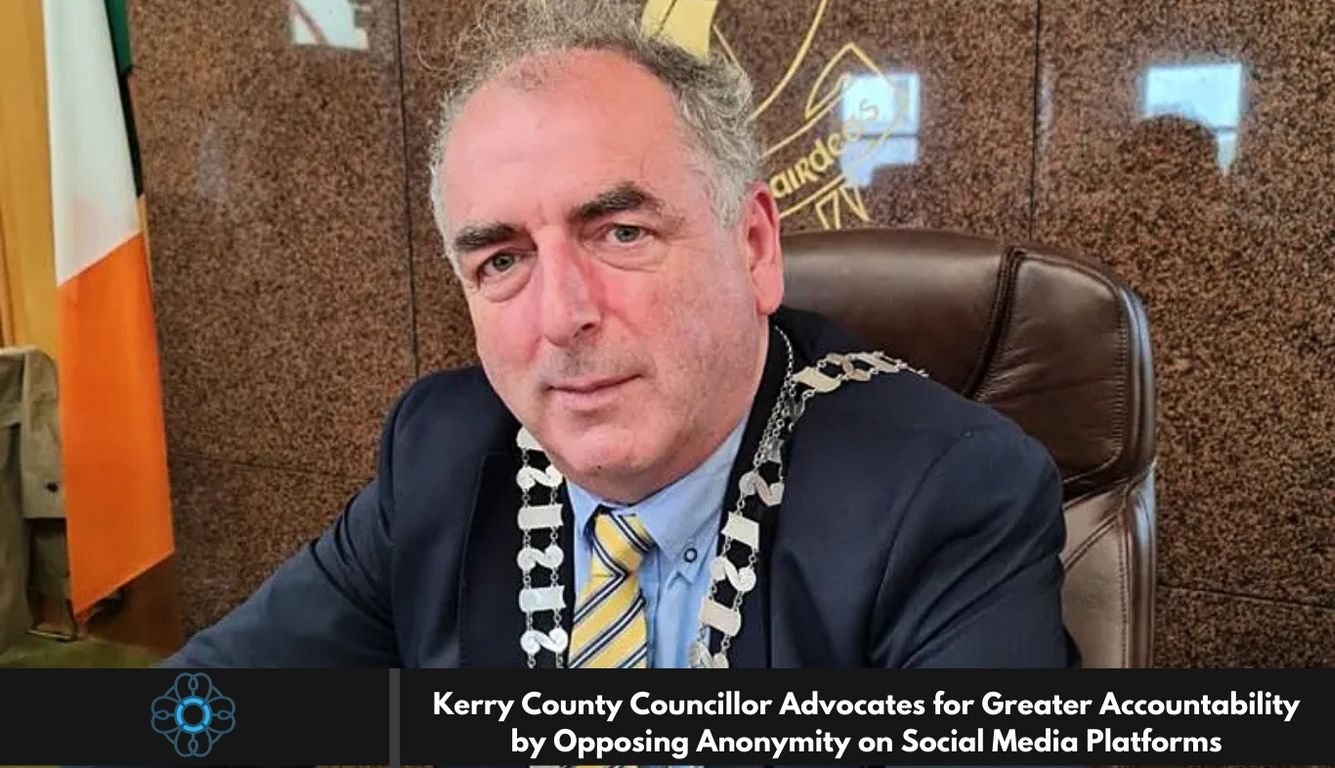

Kerry County Councillor Michael Cahill has sparked a significant debate about anonymity on social media platforms. As the Cathaoirleach of the Kenmare Municipal District, Cahill believes that individuals should not be allowed to hide their identities online. He argues that anonymity enables harmful behavior and reduces accountability, which can negatively affect online discourse.
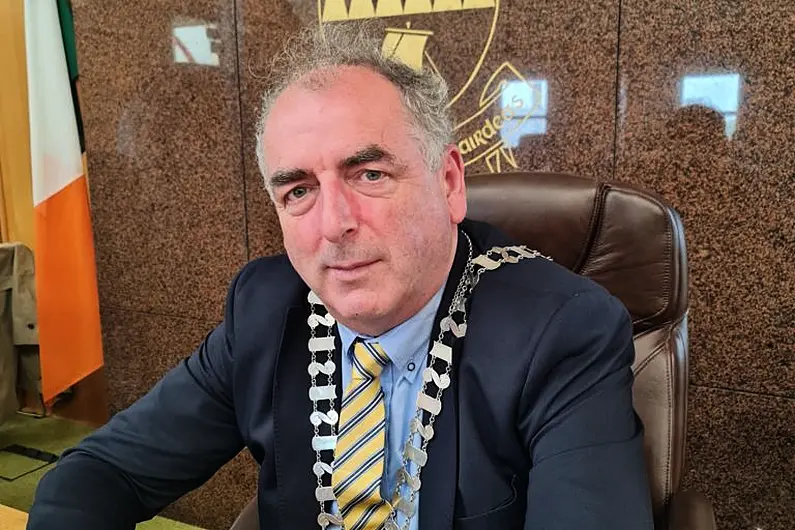
Cahill’s stance extends beyond the digital world to public protests, where he opposes concealing identities through masks, balaclavas, or other disguises. While he acknowledges the right to protest, he asserts that anonymity in these contexts fosters an environment of intimidation and prevents peaceful and respectful demonstrations.
The counselor’s comments have sparked discussions about the balance between free speech, privacy, and accountability. As social media continues to evolve, ensuring that online actions align with real-world consequences remains a crucial issue for lawmakers, tech companies, and citizens alike.
Understanding the Issue: The Call for Accountability
Cllr Michael Cahill’s stance centers around the notion of accountability. He argues that online anonymity enables individuals to express opinions, engage in discussions, and even protest without facing the consequences of their actions. The core of his argument is that citizens should be held responsible for their actions, particularly when engaging in activities that have the potential to harm others or disrupt society.
The Rise of Social Media Anonymity
Social media platforms have revolutionized communication, enabling people from all corners of the world to express themselves. However, the ability to hide behind pseudonyms or anonymous accounts has led to a rise in harmful behaviors, including cyberbullying, misinformation, and online harassment. While these platforms offer a space for people to voice their opinions, the anonymity they provide has raised concerns about the lack of accountability for online actions.
Cllr Cahill’s remarks emphasize that social media users should not be allowed to hide their true identities, mainly when they engage in behavior that can harm others. Eliminating anonymity is believed to make users more mindful of the impact of their words and actions, as they would know they are directly accountable for what they post online.
Balancing Free Speech with Accountability
Discussions about anonymity often involve a delicate balance between the right to free speech and the need for accountability. On one hand, individuals have the fundamental right to express themselves freely, and their ability to do so anonymously is critical to protecting privacy and promoting open discourse. On the other hand, when free speech is used irresponsibly, it can lead to harmful consequences, such as the spread of misinformation, hate speech, and personal attacks.
Cllr Cahill’s position challenges the idea that free speech should come without any limitations. While he acknowledges the right to protest and express dissenting opinions, he believes that such expressions should be done transparently. In his view, anonymity can foster an environment where individuals feel empowered to act without fear of repercussions, leading to actions that may undermine public trust and safety.
The Issue of Public Protests and the Right to Anonymity
Cllr Cahill’s comments extend beyond social media to the physical world. He argues that individuals should not be able to hide their identities during public protests. He draws attention to the use of balaclavas, helmets, or other forms of disguise by protesters.
While protests are an essential part of democratic societies, allowing individuals to voice their opposition to government policies, laws, or social issues, there is growing concern about the increasing anonymity in protest movements. Cllr Cahill believes that protestors should not be allowed to hide behind these disguises, as it can lead to actions that may disrupt public order or intimidate others. By requiring protestors to be identifiable, he suggests that the protest itself will remain peaceful and respectful, ensuring that the intentions of those involved are clear and their actions can be held to account.
The Importance of Peaceful Protests and Non-Intimidation
One key aspect of Cllr Cahill’s stance is the emphasis on peaceful protests and the rejection of intimidation. He firmly believes that while everyone has the right to protest, it must be done without harming others or creating an atmosphere of fear. In his view, anonymity can often contribute to aggressive or harmful behavior, as individuals may feel emboldened to act in ways that they would not if they were publicly identifiable.
In this regard, Cllr Cahill advocates for ensuring that protests remain civil and respectful. This includes discouraging the use of intimidation tactics, such as verbal or physical threats, and promoting an environment where individuals can express their opinions without fear of violence or retaliation. Eliminating anonymity is believed to keep protests focused on the issues at hand rather than becoming platforms for unlawful or violent behavior.
The Role of Technology in Promoting Accountability
In the digital age, technology plays a pivotal role in shaping how we communicate and interact with one another. Social media platforms, websites, and messaging apps have become the primary tools through which individuals express their opinions, share information, and participate in discussions. However, the anonymity afforded by these platforms also presents a challenge in ensuring that people are held accountable for their actions.
Cllr Cahill’s proposal raises important questions about the role of technology in promoting accountability. Some argue that technology companies should verify user identities more and implement stricter policies to prevent anonymous users from engaging in harmful behaviors. However, if these measures are enforced too strictly, there are concerns about privacy and the potential for abuse. Balancing privacy rights with the need for accountability is one of the most complex issues in the digital age.
Challenges to Enforcing Identity Transparency
One of the primary challenges to enforcing identity transparency on social media platforms is the sheer scale of online activity. With billions of users worldwide, ensuring that everyone uses their real identity can be a daunting task for both governments and tech companies. Additionally, there are concerns about the potential misuse of personal data if identity verification measures are introduced, leading to questions about privacy and data security.
Another challenge is the global nature of the internet, where people from different countries and cultures interact with each other. Different countries have varying laws regarding privacy, free speech, and identity verification, making it challenging to implement uniform policies across platforms. Moreover, online anonymity can sometimes be a tool for protecting individuals in countries with oppressive regimes, where revealing one’s identity could lead to persecution or danger.
Pros and Cons of Anonymity in Online Platforms
While Cllr Cahill’s position is clear, it is essential to consider both the pros and cons of anonymity on online platforms. Below are some of the critical arguments for and against anonymous online activity:
Pros:
Protection of Privacy: Anonymity allows individuals to express their views without fear of being judged or persecuted, particularly in countries with restrictive governments.
Freedom of Expression: Anonymity can empower people to speak freely without the constraints of societal norms or expectations, fostering creativity and open discourse.
Whistleblowing: Anonymity has been crucial in enabling whistleblowers to expose corruption, malpractice, and injustice without fear of retaliation.
Cons:
Lack of Accountability: Anonymity can lead to irresponsible behavior, as individuals may feel free to engage in cyberbullying, harassment, and the spreading of misinformation.
Facilitation of Criminal Activity: Anonymity can cover up criminal activities such as online fraud, hacking, and other illicit activities.
Undermining Public Trust: The inability to hold individuals accountable for their actions online can erode trust in digital platforms and online communities.
The Legal and Ethical Debate on Online Anonymity
The debate over online anonymity is not limited to political figures like Cllr Cahill. Governments, legal experts, and tech companies are all grappling with the ethical and legal implications of anonymous online behavior. Legal frameworks surrounding online conduct are still evolving, and many questions remain about how to balance freedom of speech with the need for protection from harm.
As digital platforms become more deeply integrated into daily life, issues of identity and accountability will continue to dominate discussions about online behavior. Striking the right balance between protecting individual rights and ensuring accountability will be essential in creating a safer and more transparent online environment.
Frequently Asked Questions
Why does Kerry County Councillor Michael Cahill oppose anonymity on social media?
Cllr Michael Cahill believes that allowing individuals to hide their identities online fosters harmful behaviors such as cyberbullying, misinformation, and harassment. He advocates for greater accountability, arguing that people should be responsible for their online actions and the consequences they may cause.
What is Cllr Cahill’s stance on anonymity during public protests?
Cllr Cahill opposes the protesters’ use of masks, balaclavas, or other disguises. He believes that hiding one’s identity during a protest can lead to intimidation and disrupt peaceful demonstrations. He insists that protests should be conducted transparently and respectfully without anonymity.
Does Cllr Cahill support the right to protest?
Yes, Cllr Cahill fully supports the right to protest. However, he emphasizes that protests should be peaceful, respectful, and conducted in a way that ensures accountability. He believes that hiding one’s identity can undermine these principles and allow for actions that are disruptive or harmful.
What are the implications of Cllr Cahill’s comments on anonymity in social media?
Cllr Cahill’s comments have sparked a broader debate about balancing privacy with accountability on social media. His views encourage discussions about whether stricter identity verification policies should be implemented on digital platforms to ensure that users are held accountable for their actions.
How do anonymity and free speech relate to each other?
While anonymity allows for greater freedom of expression by protecting privacy, it can also enable irresponsible or harmful behavior. Cllr Cahill’s argument suggests that free speech should be balanced with the need for accountability to prevent actions that may harm others or undermine trust in digital platforms.
What are the potential benefits of removing anonymity on social media platforms?
Removing anonymity on social media could encourage more responsible online behavior. Users would be held accountable for their posts and actions. This could reduce harmful behaviors like trolling, cyberbullying, and spreading false information, fostering a safer and more respectful online environment.
Could removing anonymity infringe on privacy rights?
Some are are concerned that removing anonymity could infringe on privacy rights, particularly for individuals who need protection due to sensitive circumstances, such as whistleblowers or those living under oppressive regimes. Striking a balance between privacy and accountability is a complex issue that requires careful consideration of both rights.
How does Cllr Cahill suggest protests should be conducted?
Cllr Cahill advocates for protests that are peaceful, transparent, and respectful. He believes that participants should not hide their identities behind masks or other disguises, as this can foster intimidation and disrupt the nature of peaceful demonstrations. Accountability, he argues, is key to maintaining order and respect in public protests.
How do global laws impact anonymity on social media?
Anonymity laws vary across countries, creating challenges for global social media platforms. In some regions, anonymity is protected to safeguard free speech, while in others, it may be restricted to prevent illegal activities. This divergence complicates efforts to implement universal identity verification measures online.
What role do social media platforms play in enforcing accountability?
Social media platforms can significantly promote accountability by implementing policies that discourage harmful behavior. This includes enforcing terms of service, using algorithms to detect abusive content, and providing mechanisms for reporting violations. However, many argue that platforms should do more to verify user identities to enhance accountability.
Conclusion
Cllr Michael Cahill’s call for an end to online anonymity and identity concealment during public protests has ignited a significant debate about the balance between privacy, freedom of expression, and accountability. While the right to express oneself is fundamental, it is equally essential to ensure that individuals are held accountable for their actions, both online and in the real world. As society continues to grapple with these issues, new policies and technologies will likely emerge to help address the complex challenges of online anonymity and public protest behavior.
Ultimately, the ongoing conversation about anonymity will shape the future of social media platforms, public demonstrations, and our ability to communicate freely while maintaining responsibility and respect for others.
