


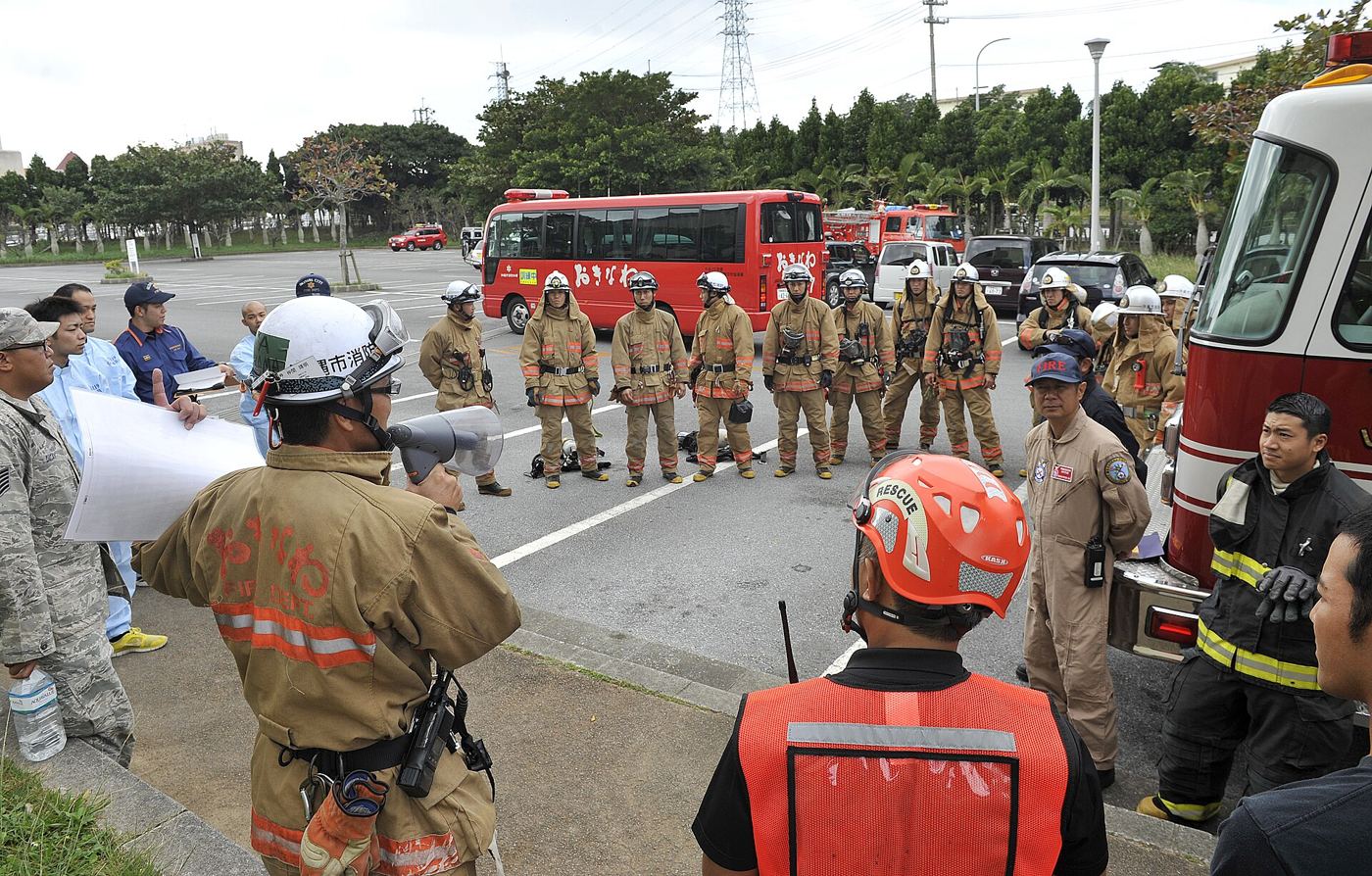

Fire service fitness training is building the strength and stamina crews need for demanding callouts, from carrying heavy equipment up stairwells to dragging hoses through smoke-filled buildings. Modern firefighter training blends gym work with realistic drills, so that the muscles used on the job are the ones being trained: pulling, lifting, climbing and carrying under load, often in heat and wearing breathing apparatus that adds weight and restricts airflow. Training officers say the aim is not athletic showmanship but durable, practical fitness that holds up at three in the morning after a long shift. New recruits follow structured programmes that build capacity gradually, while experienced firefighters are tested regularly to confirm they can still meet the physical demands of the role. The work is hard, but crews say the shared effort also builds the trust that the job depends on.
What the Evidence Shows
Occupational health specialists note that firefighter fitness also protects long-term health, reducing injuries, back problems and cardiovascular risk in a profession that places unusual strain on the body. Recovery is treated as part of training, with sleep, nutrition and rest days built into schedules rather than left to chance. Services are also adapting programmes for older firefighters, focusing on mobility and injury prevention so experienced crew members can stay operational for longer. Community outreach adds another dimension, with crews visiting schools and gyms to share training tips and encourage young people to stay active. For the firefighters themselves, the message is straightforward: the fitter the crew, the safer the public, and the safer each firefighter is when the alarm sounds. Training teams also share lessons between stations, so good ideas about drills, recovery and injury prevention spread quickly across the service. Reporting and analysis from sources such as The Lancet track the same developments, and specialists following fire service fitness training say the direction is now consistent across independent lines of evidence.
The Wider Context
Equity runs through every discussion of fire service fitness training. Interventions that require apps, fees or free weekday afternoons reliably reach the people who need them least, so the programmes earning praise are those designed around clinics, workplaces and community venues that already serve everyone. Evaluation reports now publish uptake by income and region as a matter of routine.
What Happens Next
The practical takeaway on fire service fitness training is deliberately unglamorous: it works best as part of ordinary, well-delivered care rather than as a standalone fix. Health services are planning on that basis, building the referral routes and follow-up that turn a promising result into population benefit. The gains arrive slowly and then, in the statistics, unmistakably. You can follow related developments in our coverage of health.
It is also worth remembering how quickly the picture in this area has changed before. Positions that looked settled a few years ago have been revised as new data arrived, and the same humility is appropriate now. The strongest coverage of this subject, and the most useful advice, tends to come from sources that update their views openly when the facts move, rather than defending an earlier position long after it has stopped fitting the evidence available.
