


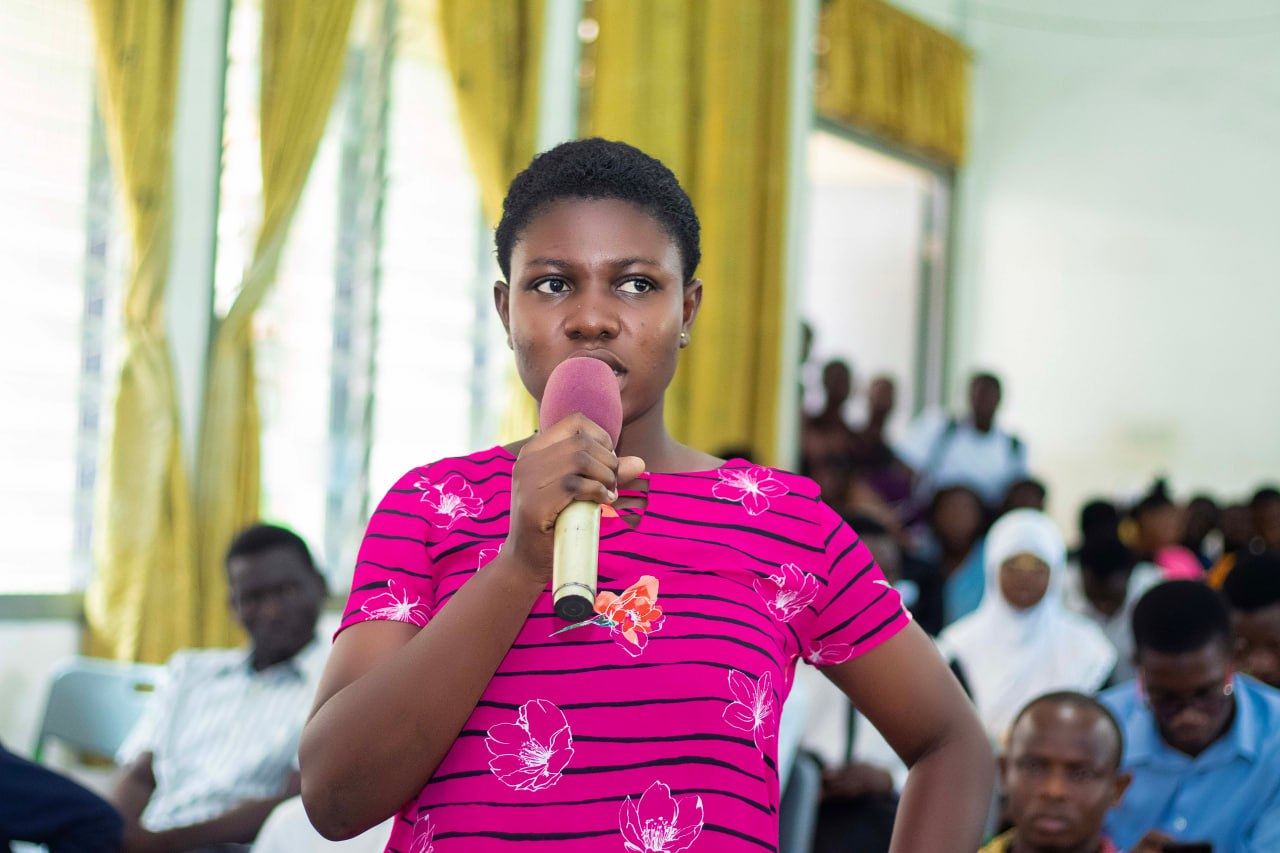

Teachers have long noticed that the students who ask the most questions often remember the most, and cognitive scientists now have detailed evidence for why that happens. Forming a question forces the brain to do something passive listening never requires: it must search memory, spot what is missing, and put the gap into words. That effort, researchers say, strengthens the very knowledge the question is about, even before the teacher answers it. Controlled experiments comparing students who generated their own questions with students who simply reread the same material found the questioners remembered more days later and understood the ideas better when tested with new problems. The effect appears across ages and subjects, from primary school science to university medicine. Psychologists describe it as a form of active retrieval, similar to testing yourself, but with the added benefit that the question itself reveals exactly where understanding is thin, giving the learner a precise target for the next step.
What the Evidence Shows
Putting the finding into practice is less about telling students to ask more and more about creating classrooms where good questions feel safe. Teachers are experimenting with short pauses after new material, question stems written on the board, and small-group sessions where pupils prepare questions before a whole-class discussion. The quality of the question matters as well. Simple factual questions help memory, but the largest gains come from questions that ask why something happens, how two ideas connect, or what would change if a condition were different. Researchers warn that the approach needs time, because a class that has spent years being rewarded only for correct answers may need weeks to trust that a thoughtful question is valued too. Early trials suggest the payoff is worth it. Students who practise questioning report feeling more in control of their learning, and their teachers gain a clearer picture of confusion that a silent class would never reveal. Reporting and analysis from sources such as National Science Foundation track the same developments, and specialists following the question-asking students say the direction is now consistent across independent lines of evidence.
The Wider Context
The wider context is a research landscape in which replication and open data now decide reputations. Findings connected to the question-asking students are being checked by independent groups with shared datasets, and the teams involved publish their methods in full so rivals can test every step. That discipline is slower than a headline cycle, but it is why results in this area increasingly survive first contact with scrutiny.
What Happens Next
What happens next in the story of the question-asking students will be decided by follow-up work already under way: larger samples, longer observation and instruments that have not yet come online. The researchers involved are unusually united on one point, that the current results justify the next investment of time and money. Readers will not have to wait long for the first tests of that claim. You can follow related developments in our coverage of science.
There is a practical lesson in all of this for readers deciding what to do today. Start with the verified facts, be wary of anyone promising certainty, and prefer reversible steps while the evidence is still developing. Circumstances differ by country, income and personal situation, so general guidance should always be weighed against your own context before you act on it in any significant or lasting way.
