


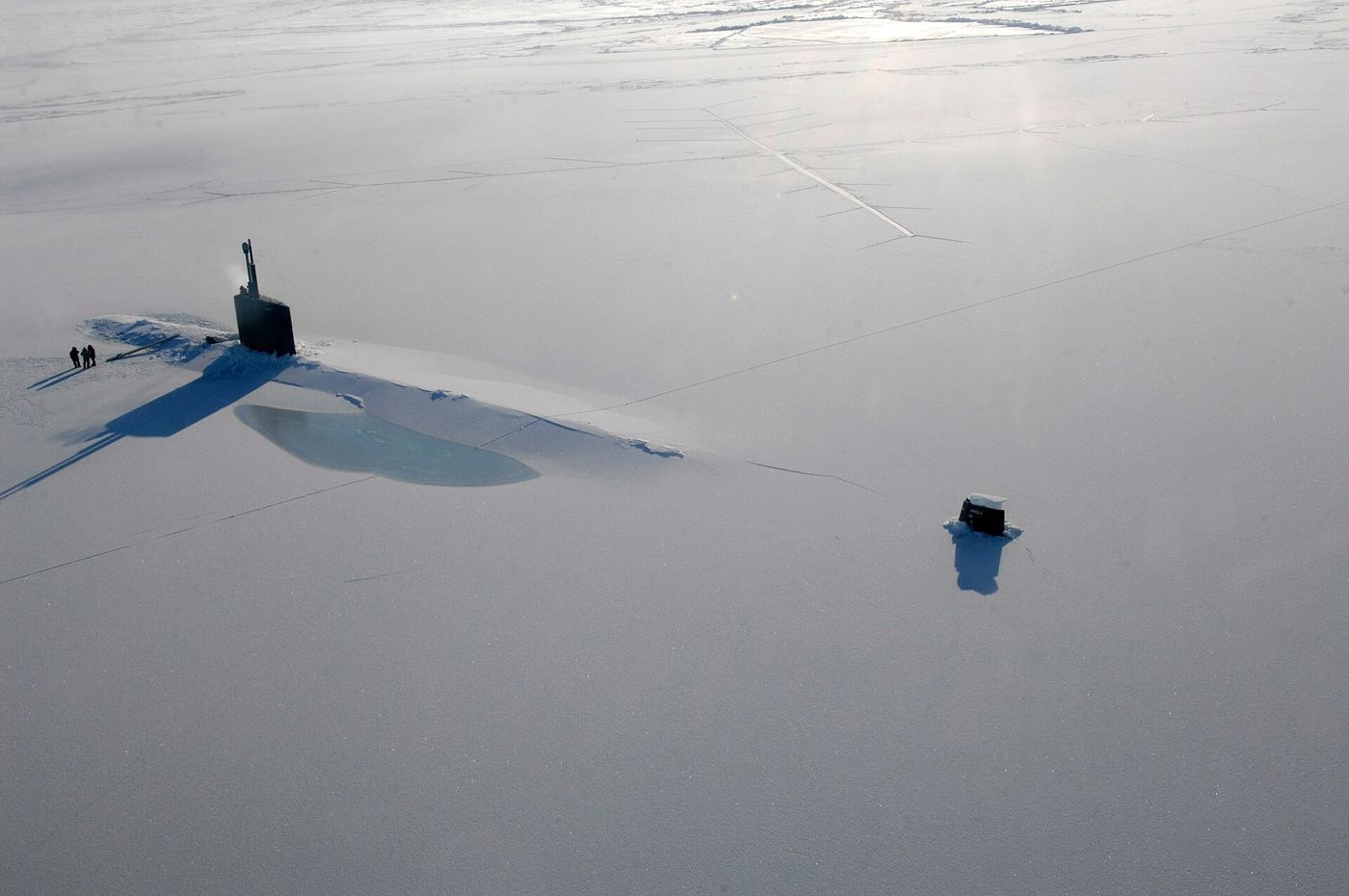

The Arctic Ocean’s winter freeze has started slowly again in several regions, as pulses of unusually warm air and water that retained summer heat delayed the formation of new sea ice. Satellite records show open water persisting later into autumn along parts of the Siberian and North American coasts, with young, thin ice forming only once temperatures finally fell. The timing of freeze-up matters because ice that forms late has less time to thicken before spring, leaving it more vulnerable to melting early the following summer. Thin first-year ice also moves faster in wind and currents, which changes conditions for wildlife that hunt and rest on it, and for northern communities whose travel routes depend on stable ice. Scientists tracking the season combine satellite imagery with buoy measurements of ice thickness, snow depth and ocean temperature. Those observations show a system responding to long-term warming in uneven ways, with some basins freezing close to schedule while others lag by several weeks in the same year.
What the Evidence Shows
Researchers caution against reading too much into a single season, since weather patterns can speed or slow the freeze dramatically from one year to the next. The longer record, however, shows a clear shift toward later freeze-ups and earlier break-ups across much of the Arctic, shortening the season in which thick ice can build. Snow falling on young ice complicates the picture further, because a deep snow layer can insulate ice from cold air while also weighing it down and flooding its surface. Field teams working from icebreakers and coastal stations are measuring those interactions directly, hoping to improve the models used for seasonal forecasts. Better forecasts would help shipping planners, wildlife managers and Indigenous communities anticipate conditions months ahead. The Arctic’s late freeze is also a reminder that the region warms several times faster than the global average, so changes that appear gradual in annual statistics can arrive abruptly in particular places, reshaping coastlines, ecosystems and travel within a single generation of residents. Reporting and analysis from sources such as National Science Foundation track the same developments, and specialists following late-forming winter sea ice in the Arctic say the direction is now consistent across independent lines of evidence.
The Wider Context
The wider context is a research landscape in which replication and open data now decide reputations. Findings connected to late-forming winter sea ice in the Arctic are being checked by independent groups with shared datasets, and the teams involved publish their methods in full so rivals can test every step. That discipline is slower than a headline cycle, but it is why results in this area increasingly survive first contact with scrutiny.
What Happens Next
What happens next in the story of late-forming winter sea ice in the Arctic will be decided by follow-up work already under way: larger samples, longer observation and instruments that have not yet come online. The researchers involved are unusually united on one point, that the current results justify the next investment of time and money. Readers will not have to wait long for the first tests of that claim. You can follow related developments in our coverage of science.
There is a practical lesson in all of this for readers deciding what to do today. Start with the verified facts, be wary of anyone promising certainty, and prefer reversible steps while the evidence is still developing. Circumstances differ by country, income and personal situation, so general guidance should always be weighed against your own context before you act on it in any significant or lasting way.
