


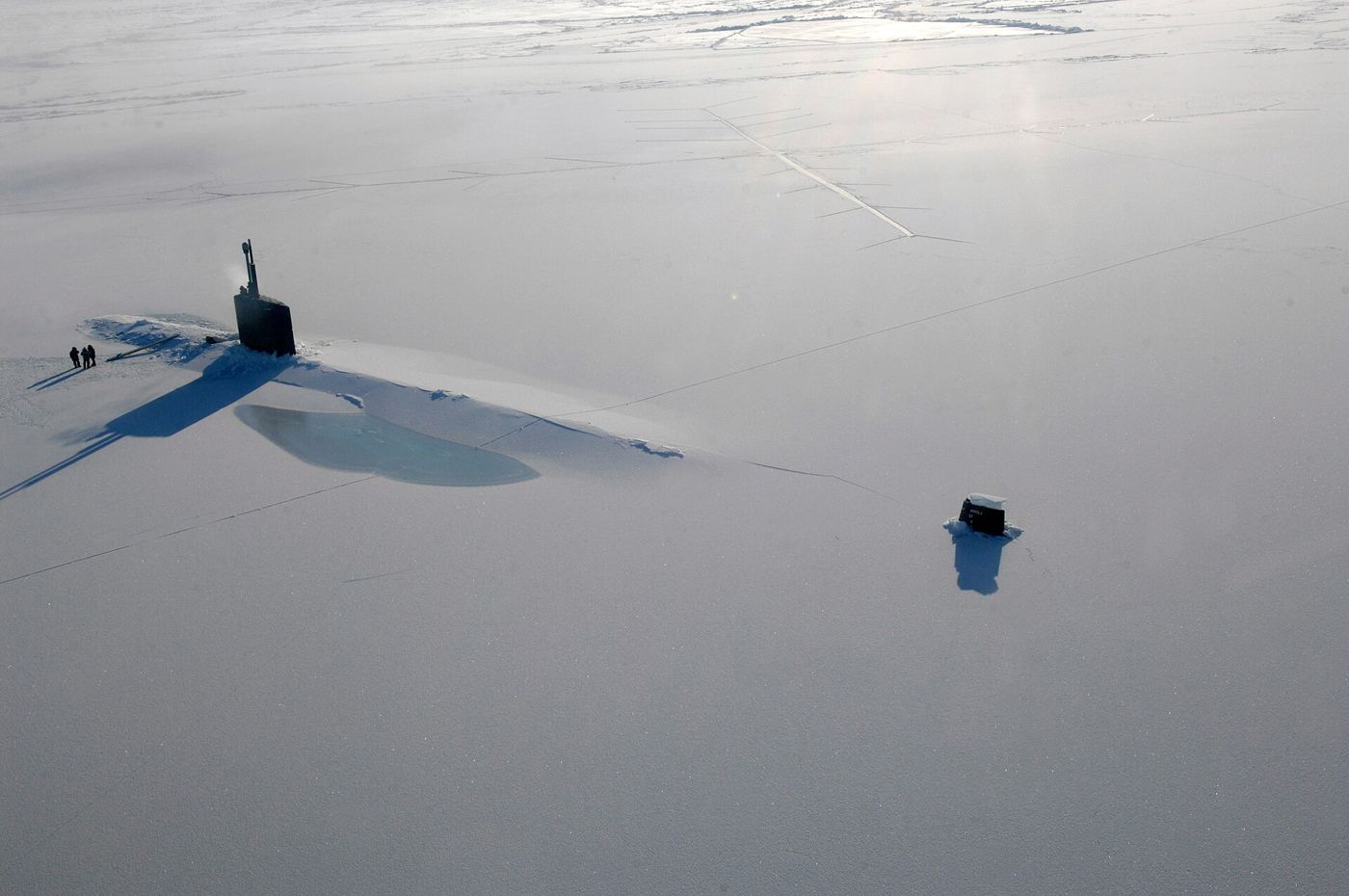

For many Arctic animals, sea ice is not scenery but infrastructure. Seals rest and raise pups on it, polar bears use it as a hunting platform, and walruses haul out on floes between feeding trips to the seabed. As the ice season shortens and the remaining ice grows thinner in many regions, ecologists are documenting how those routines shift. Bears may wait longer on shore for freeze-up, travelling farther and relying more on stored fat. Seals face a trade-off, because thin ice is easier to keep breathing holes open in, yet it breaks up sooner and offers less protection for pups. Researchers track these changes with satellite collars, aerial surveys, camera traps and the knowledge of Indigenous hunters who observe the same coasts across generations. The picture is not uniform. Conditions vary sharply between regions, and some populations adapt their timing or diet more readily than others. What concerns scientists is the pace of change relative to the lifespan of long-lived animals that reproduce slowly. Understanding exactly which behaviours are flexible, and which depend on ice being present at a particular place and week of the year, helps focus conservation where it can still make a difference.
What the Evidence Shows
Food webs complicate the story further, because ice also shapes what there is to eat. Algae growing on the underside of floes support small crustaceans, which feed fish, which in turn feed seals and bears. When ice forms late or melts early, that chain can fall out of step with the animals depending on it. At the same time, open water invites species from farther south, including new competitors and predators, into waters that were once reliably frozen. Scientists therefore monitor the whole system rather than any single charismatic species, pairing animal tracking with measurements of ice thickness, water temperature and prey abundance. Long-running study sites are especially valuable, since a single unusual winter proves little on its own. For northern communities, the research has immediate relevance, because the same ice conditions govern safe travel and subsistence hunting. The Arctic will not return quickly to its former state, so the practical task is to understand adaptation as it happens and to protect the refuges, migration routes and prey bases that give wildlife its best chance to adjust. Reporting and analysis from sources such as National Science Foundation track the same developments, and specialists following arctic ice and marine mammal hunting say the direction is now consistent across independent lines of evidence.
The Wider Context
The wider context is a research landscape in which replication and open data now decide reputations. Findings connected to arctic ice and marine mammal hunting are being checked by independent groups with shared datasets, and the teams involved publish their methods in full so rivals can test every step. That discipline is slower than a headline cycle, but it is why results in this area increasingly survive first contact with scrutiny.
What Happens Next
What happens next in the story of arctic ice and marine mammal hunting will be decided by follow-up work already under way: larger samples, longer observation and instruments that have not yet come online. The researchers involved are unusually united on one point, that the current results justify the next investment of time and money. Readers will not have to wait long for the first tests of that claim. You can follow related developments in our coverage of science.
There is a practical lesson in all of this for readers deciding what to do today. Start with the verified facts, be wary of anyone promising certainty, and prefer reversible steps while the evidence is still developing. Circumstances differ by country, income and personal situation, so general guidance should always be weighed against your own context before you act on it in any significant or lasting way.
