


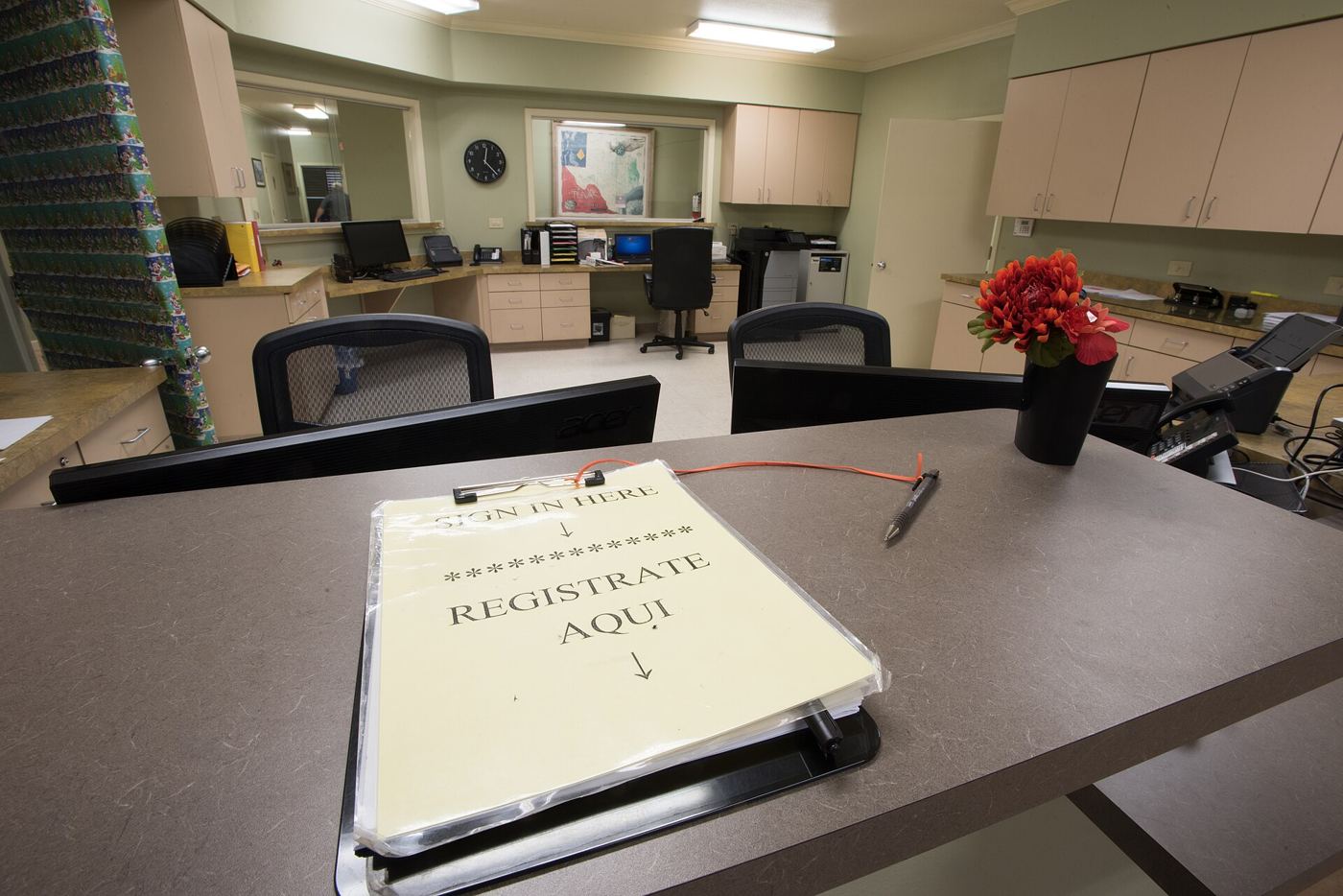

Community clinics are cutting waiting times with walk-in morning sessions, offering patients a simpler route to care without the weeks-long wait for an appointment. The model is straightforward: each weekday morning, a clinic opens its doors for a set number of walk-in slots, dealing with minor illnesses, repeat prescriptions, wound checks and health advice on a first-come basis. Managers say the sessions are popular with workers who cannot plan around a fixed appointment, parents with a sick child and older patients who prefer to be seen promptly. By handling straightforward problems quickly, the clinics also free up booked appointments for people with more complex needs, easing pressure on the whole local health system. Early results suggest patients are being seen sooner and leaving more satisfied. Some clinics also run evening sessions for workers, and a few offer phone consultations for patients who cannot easily travel, widening access still further across the local area each week.
What the Evidence Shows
Clinic staff caution that walk-in sessions work best for suitable problems, and that emergencies, severe pain or complex conditions still need urgent care or a booked consultation. Arriving early helps, since slots fill quickly and latecomers may be asked to return another day or directed to a more appropriate service. Patients should bring a list of medicines and a brief note of their symptoms to keep the consultation efficient. Reception teams are trained to prioritise anyone who looks seriously unwell, so waiting in turn does not mean waiting in danger. Health planners hope the model spreads, arguing that a local clinic with an open door is exactly what communities need: care that is near, prompt and easy to reach when it matters. For health planners, the lesson is that convenience matters as much as quality, because care that is hard to reach is care that many people go without until problems grow. Reporting and analysis from sources such as The Lancet track the same developments, and specialists following community clinic walk-in sessions say the direction is now consistent across independent lines of evidence.
The Wider Context
Equity runs through every discussion of community clinic walk-in sessions. Interventions that require apps, fees or free weekday afternoons reliably reach the people who need them least, so the programmes earning praise are those designed around clinics, workplaces and community venues that already serve everyone. Evaluation reports now publish uptake by income and region as a matter of routine.
What Happens Next
The practical takeaway on community clinic walk-in sessions is deliberately unglamorous: it works best as part of ordinary, well-delivered care rather than as a standalone fix. Health services are planning on that basis, building the referral routes and follow-up that turn a promising result into population benefit. The gains arrive slowly and then, in the statistics, unmistakably. You can follow related developments in our coverage of health.
It is also worth remembering how quickly the picture in this area has changed before. Positions that looked settled a few years ago have been revised as new data arrived, and the same humility is appropriate now. The strongest coverage of this subject, and the most useful advice, tends to come from sources that update their views openly when the facts move, rather than defending an earlier position long after it has stopped fitting the evidence available.
