


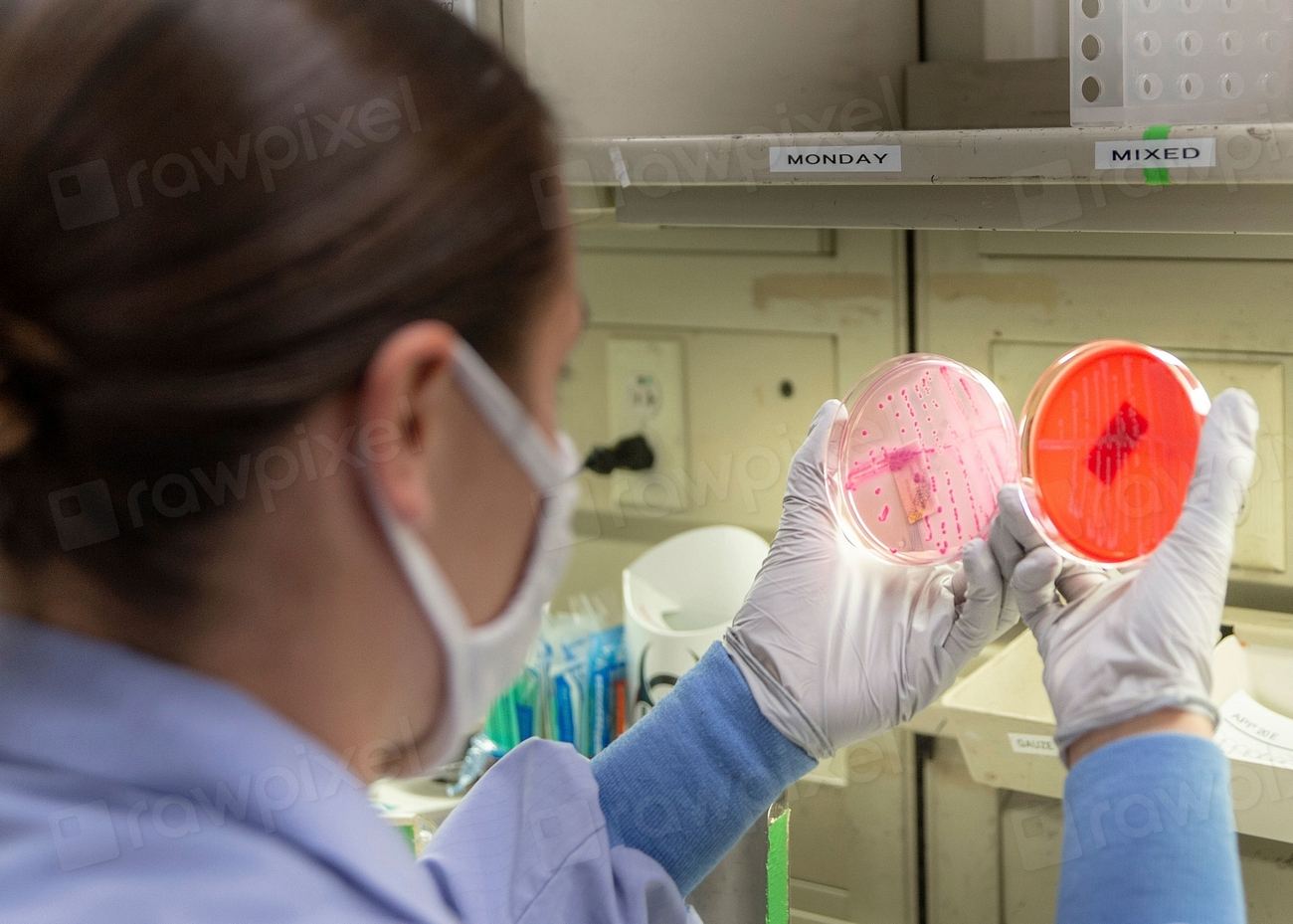

Bloodstream infections caused by carbapenem-resistant Klebsiella pneumoniae have risen 72 percent in Europe since 2019, the European Centre for Disease Prevention and Control and the World Health Organization reported on 18 November 2026. The figures were published on European Antibiotic Awareness Day, at the start of World Antimicrobial Resistance Awareness Week. Instead of falling 5 percent by 2030, as European Union targets require, the incidence rose from 2.18 to 3.75 cases per 100,000 people, far above the 2030 target of 2.07. The joint analysis by WHO Europe and the ECDC drew on 2025 data from two surveillance networks, including EARS-Net, which covers all 30 European Union and European Economic Area countries.
What the Evidence Shows
The bacteria are part of a family known as carbapenem-resistant Enterobacterales, which resist even last-resort antibiotics and thrive in hospitals. In 21 of the 43 countries reporting 2025 data, at least half of Klebsiella samples from seriously ill patients were resistant to third-generation cephalosporins, forcing doctors towards carbapenems. Infections with third-generation cephalosporin-resistant E. coli rose 16.4 percent over the same period, while MRSA bloodstream infections fell 19 percent. ECDC director Pamela Rendi-Wagner called for faster genomic surveillance so countries can see how resistant bacteria spread and act sooner. Human antibiotic consumption in the European Union fell 5 percent against the 2019 baseline, and 90 percent of all use occurs in the community rather than in hospitals, which is why the 2026 campaign focuses on children. Reporting and analysis from sources such as The Lancet track the same developments, and specialists following drug-resistant Klebsiella infections in Europe say the direction is now consistent across independent lines of evidence.
The Wider Context
Equity runs through every discussion of drug-resistant Klebsiella infections in Europe. Interventions that require apps, fees or free weekday afternoons reliably reach the people who need them least, so the programmes earning praise are those designed around clinics, workplaces and community venues that already serve everyone. Evaluation reports now publish uptake by income and region as a matter of routine.
What Happens Next
The practical takeaway on drug-resistant Klebsiella infections in Europe is deliberately unglamorous: it works best as part of ordinary, well-delivered care rather than as a standalone fix. Health services are planning on that basis, building the referral routes and follow-up that turn a promising result into population benefit. The gains arrive slowly and then, in the statistics, unmistakably. You can follow related developments in our coverage of health.
It is also worth remembering how quickly the picture in this area has changed before. Positions that looked settled a few years ago have been revised as new data arrived, and the same humility is appropriate now. The strongest coverage of this subject, and the most useful advice, tends to come from sources that update their views openly when the facts move, rather than defending an earlier position long after it has stopped fitting the evidence available.
