


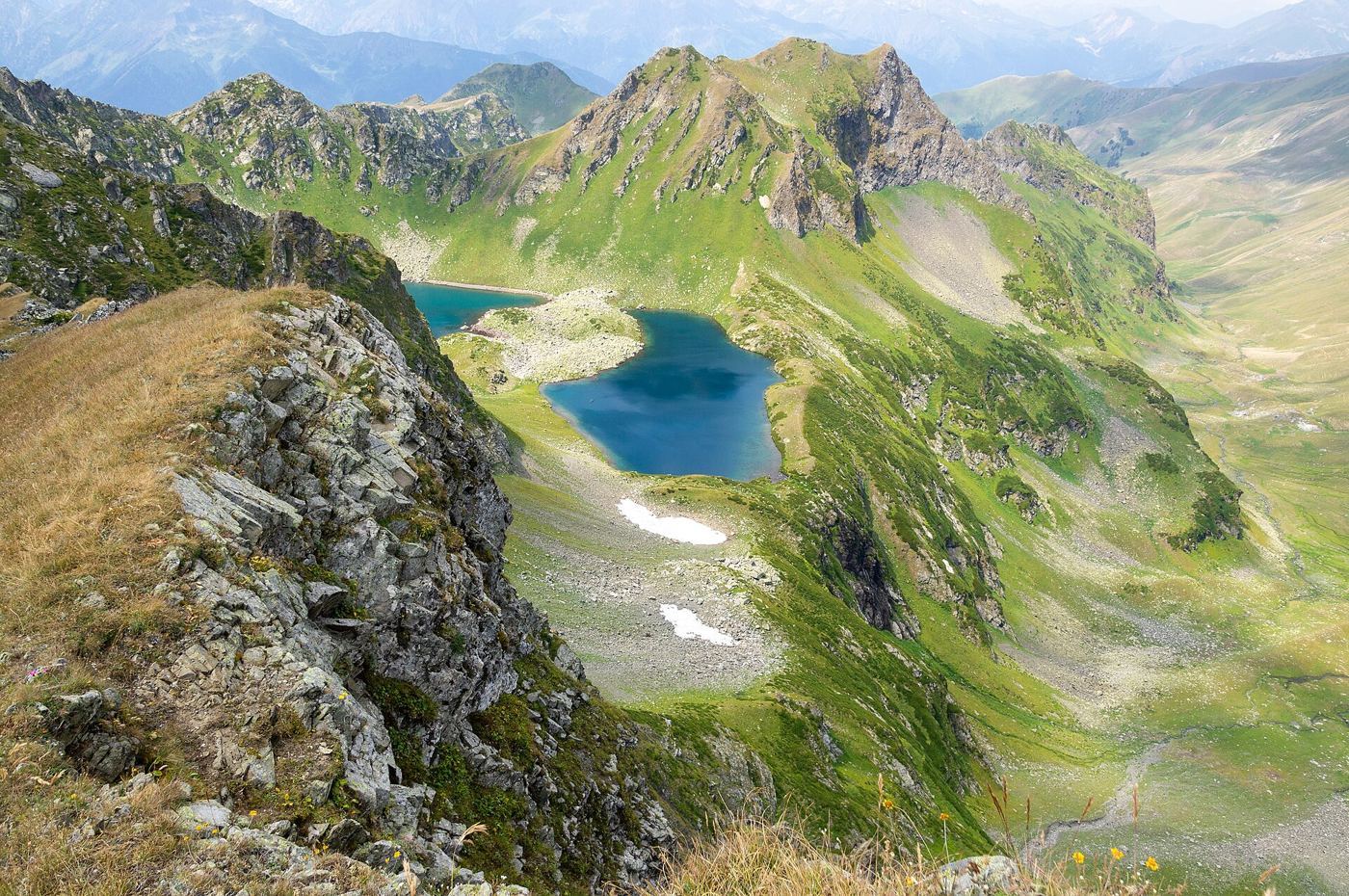

High in mountain valleys around the world, lakes formed by melting glaciers are growing larger and drawing closer scientific attention. These bright blue basins sit behind loose walls of rock and debris left by retreating ice, and when those natural dams fail, water can surge downstream with little warning. Researchers are mapping the lakes with satellites and drones, measuring water levels, and studying the stability of the moraines that hold them back. The work aims to give downstream villages and towns earlier warning and better planning as melt seasons grow longer and less predictable in a warming climate. Improved early warning systems, evacuation routes, and land use decisions all depend on this continuing research and on honest communication with the communities most exposed downstream.
What the Evidence Shows
Field teams combine remote sensing with on the ground sensors that report lake levels and ground movement in near real time. In several regions, engineers have lowered risky lakes gradually through controlled channels, reducing pressure on fragile dams. Scientists emphasise that not every glacier lake is dangerous, and careful assessment separates stable basins from those needing urgent action. Local knowledge is central, since herders and farmers often notice changes in streams and slopes first. As monitoring networks expand, researchers hope shared data across borders will improve hazard maps for entire mountain ranges rather than single valleys studied in isolation. Funding for cross border monitoring remains uneven, however, and scientists argue that shared early warning deserves the same priority as the physical defences built after a disaster has already occurred. Reporting and analysis from sources such as National Science Foundation track the same developments, and specialists following expanding glacier lake monitoring say the direction is now consistent across independent lines of evidence.
The Wider Context
The wider context is a research landscape in which replication and open data now decide reputations. Findings connected to expanding glacier lake monitoring are being checked by independent groups with shared datasets, and the teams involved publish their methods in full so rivals can test every step. That discipline is slower than a headline cycle, but it is why results in this area increasingly survive first contact with scrutiny.
What Happens Next
What happens next in the story of expanding glacier lake monitoring will be decided by follow-up work already under way: larger samples, longer observation and instruments that have not yet come online. The researchers involved are unusually united on one point, that the current results justify the next investment of time and money. Readers will not have to wait long for the first tests of that claim. You can follow related developments in our coverage of science.
There is a practical lesson in all of this for readers deciding what to do today. Start with the verified facts, be wary of anyone promising certainty, and prefer reversible steps while the evidence is still developing. Circumstances differ by country, income and personal situation, so general guidance should always be weighed against your own context before you act on it in any significant or lasting way.
