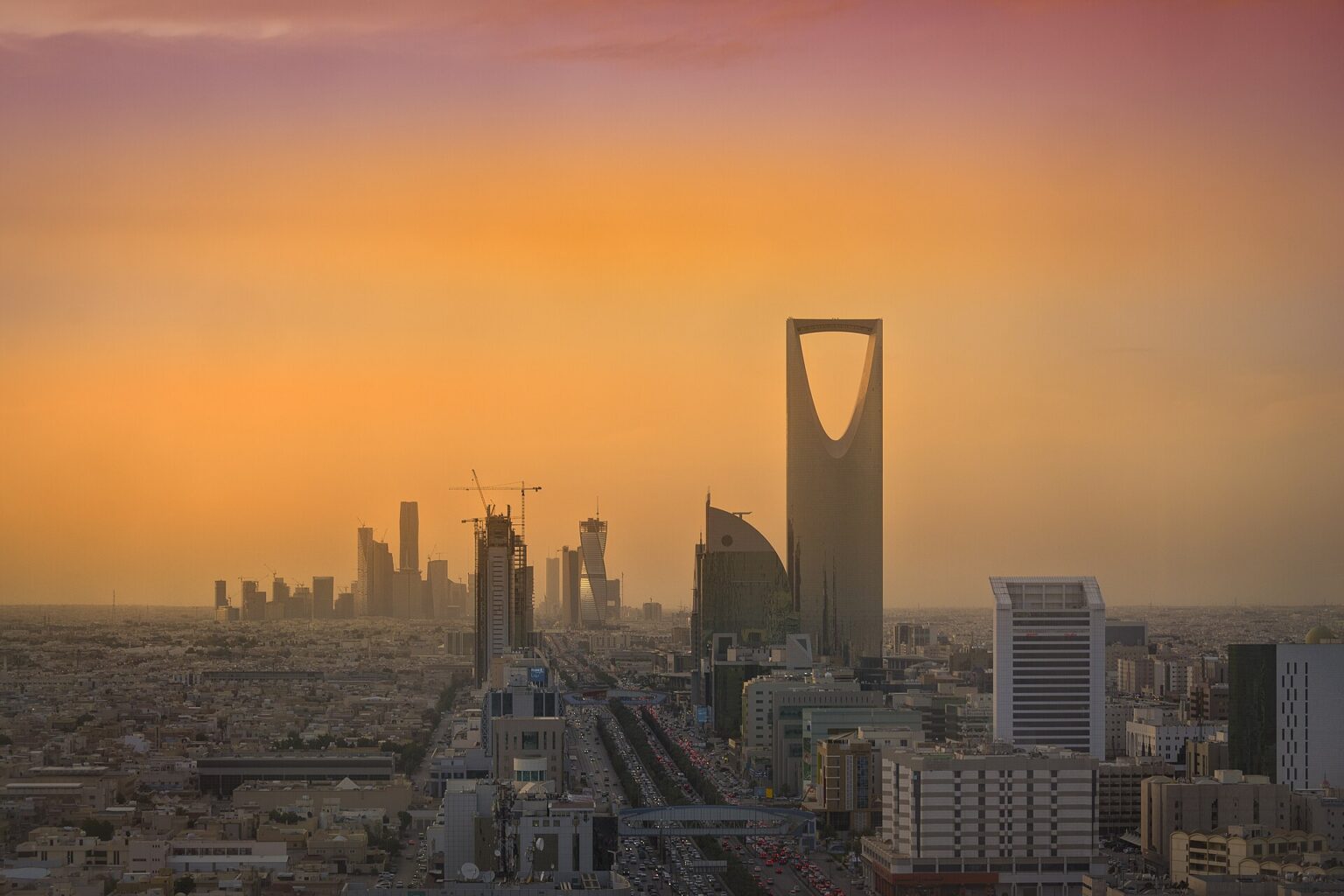

Saudi foreign investment — foreign direct investment (FDI) inflows — jumped 33.5 per cent to 42.4 billion dollars, with the total stock of inward investment topping 282 billion dollars, according to official GASTAT data — a rise that lifts the kingdom to 13th place globally in FDI rankings. The figures were released as the kingdom reshuffled the leadership of its investment ministry.
Saudi Foreign Investment in Numbers: The Narrative Holds
Vision 2030, the kingdom’s economic transformation programme, is often judged on announcements. The FDI figures offer harder evidence: sustained, growing commitments of foreign capital across sectors well beyond oil. Officials say the climb in the global rankings validates the strategy even as security concerns persist in the region, a theme our world news coverage returns to frequently.
GASTAT’s figures matter because FDI is the metric sceptics trust least easily spun: it counts money that has actually crossed borders and committed to factories, offices and ventures. A stock exceeding 282 billion dollars implies not just announcements but an installed base of foreign enterprise that hires, buys locally and lobbies for the stability that protects its investments.
A New Hand on the Investment File
The data arrives as Saudi Arabia names a new investment minister, Fahad Al-Saif, an appointment described in regional analysis as a reality-check choice at a moment when Vision 2030 funding faces colliding pressures from conflict and softer foreign inflows in some segments. The ministry’s task is to convert headline interest into completed projects.
The ministerial change adds a political subplot. Al-Saif takes the file at a moment when the kingdom must fund an enormous project pipeline while oil revenues and global capital both behave unpredictably. His predecessors built the offer; his task is throughput — shortening the distance between a memorandum of understanding and a construction site.
What Investors Are Watching
Analysts point to giga-project timelines, regulatory predictability and regional stability as the variables that will decide whether the FDI curve keeps bending upward. The kingdom’s pitch — scale, capital and speed — remains distinctive in a cautious global market. See the underlying data in GCC market intelligence.
Sector mix will be the detail to watch in coming releases. Manufacturing, logistics, tourism and technology investments support the diversification story far better than real-estate inflows, and officials have been steering incentives accordingly. If the next data release shows the non-oil share of FDI still climbing, the Vision 2030 argument becomes considerably harder to dismiss.
Thirteen years into Vision 2030’s runway, the investment numbers suggest the transformation story still has believers with chequebooks. The next release will show whether momentum survived a turbulent year for global capital.