


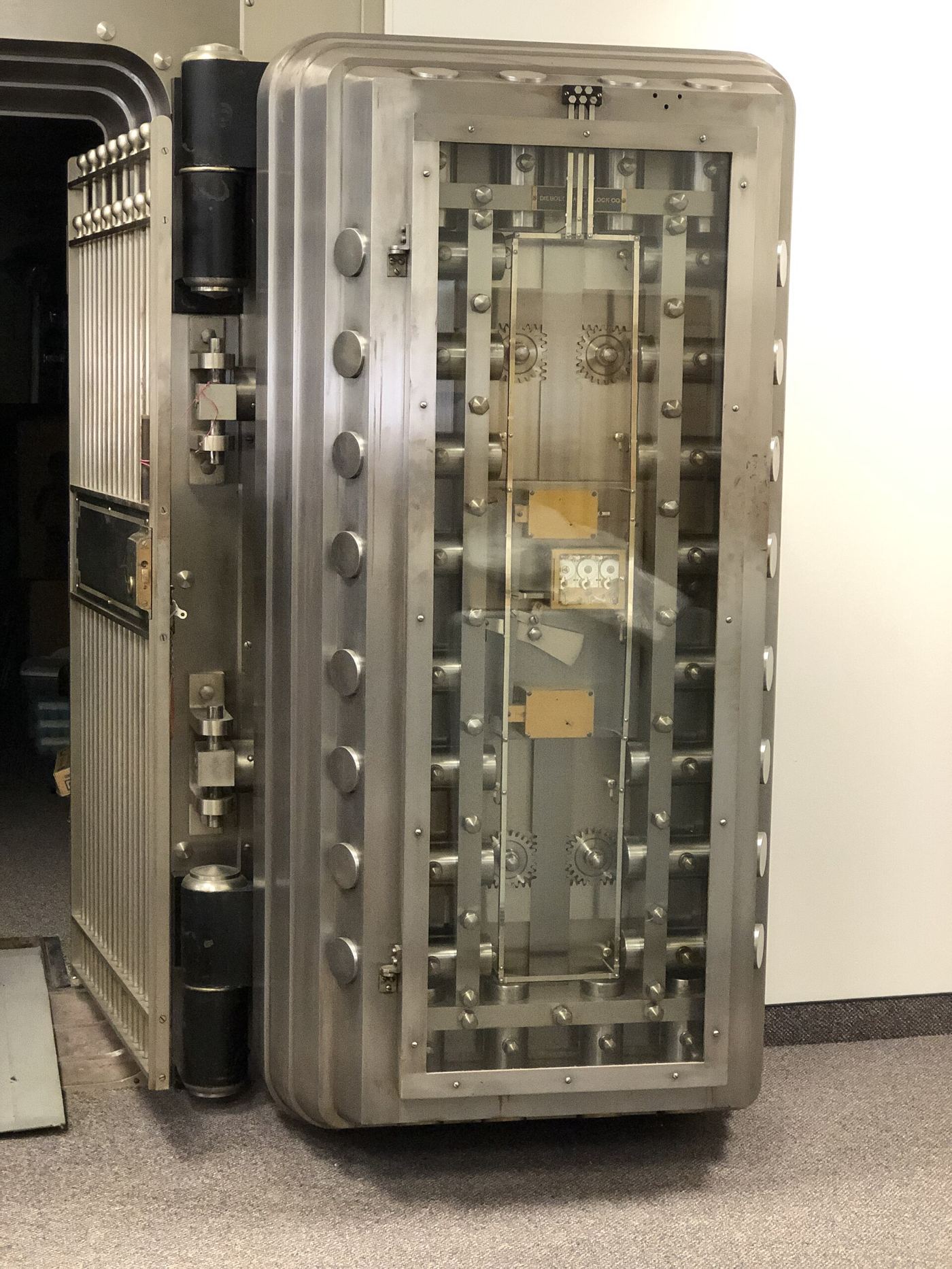

Keeping digital information safe for decades is harder than keeping it safe for a week. Archives, libraries and research institutions use secure vault like systems to protect irreplaceable data, from historical records and photographs to scientific datasets that cannot be collected again. Over long periods, storage media fail, file formats fall out of use and organisations change, so archivists plan for migration as a normal part of preservation rather than an emergency. Encryption and access controls protect sensitive material, while checksums, which are mathematical fingerprints of a file, reveal whether a stored copy has silently become corrupted. The goal is that a researcher in thirty years can still open, verify and understand the record. National archives lead much of this work publicly, publishing guidance that smaller museums, charities and community history groups can adapt to their own collections.
What the Evidence Shows
Long term archiving combines technology with governance, including clear decisions about what is worth keeping, who may access it and how its meaning will be documented for future readers. Copies are held in separate locations so a fire, flood or cyber attack cannot destroy every version, and formats are periodically converted to current standards while keeping the original intact. Scientists depositing research data increasingly follow these practices, strengthening the historical record and allowing later studies to build on earlier work. The work is rarely visible, yet it underpins trust in digital evidence of all kinds. Without it, much of the knowledge created today could become unreadable surprisingly quickly. The principle is simple to state and demanding to practise: preservation is a continuing commitment, not a one time act of putting files into storage. Reporting and analysis from sources such as NASA track the same developments, and specialists following secure long term digital archiving say the direction is now consistent across independent lines of evidence.
The Wider Context
Funding bodies are watching secure long term digital archiving closely because the work sits at the junction of basic curiosity and practical return. Grant panels increasingly ask for a path from discovery to application, while researchers push back that the most valuable uses of fundamental science are rarely the ones written into the original proposal. The tension is productive when both sides stay honest about timescales.
What Happens Next
The long view on secure long term digital archiving is that fields advance by accumulation rather than by single announcements. This result adds a solid, checkable piece to a structure many teams are building, and its authors have shared their data so the piece can be tested from every side. That is how the picture eventually becomes reliable enough to act on. You can follow related developments in our coverage of science.
It is also worth remembering how quickly the picture in this area has changed before. Positions that looked settled a few years ago have been revised as new data arrived, and the same humility is appropriate now. The strongest coverage of this subject, and the most useful advice, tends to come from sources that update their views openly when the facts move, rather than defending an earlier position long after it has stopped fitting the evidence available.
