


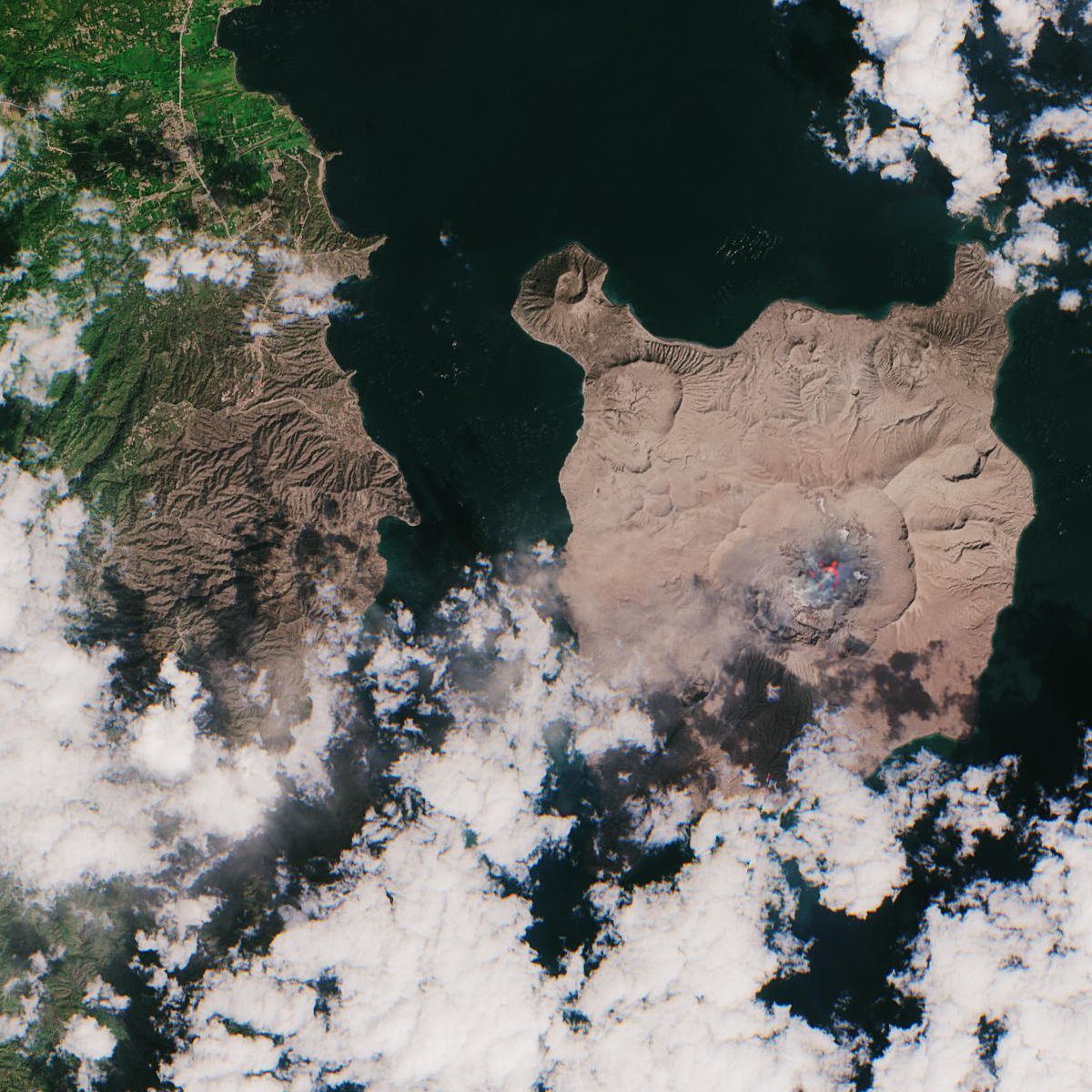

Before many eruptions, a volcano quietly changes its behaviour, releasing different mixtures of gases, swelling slightly at the surface, or producing small tremors deep below ground. Volcanologists read those signals together, and gas monitoring has become one of the most useful tools in the observatory toolkit. Changes in sulphur dioxide and carbon dioxide escaping from vents and soil can hint that fresh magma is rising, even when an eruption is not certain. Around active volcanoes, that extra information matters for aviation, tourism and nearby towns, where clear, timely guidance can help people adjust travel, protect water supplies and prepare for ashfall without unnecessary alarm. New portable sensors are also making it easier to fill gaps between permanent stations, allowing field teams to measure emissions on footpaths, crater rims and roadside sites during periods when a volcano becomes restless and conditions change from week to week.
What the Evidence Shows
No single measurement can predict an eruption on its own, which is why observatories combine gas sensors with seismometers, satellite images, thermal cameras and deformation instruments that track ground movement. The goal is not a perfect forecast but a better judgement about probability, shared openly as conditions change. Scientists also work to keep instruments running in harsh environments where ash, acid rain and lightning can damage equipment. As sensor networks become denser and data arrives faster, warnings can be more specific about which slopes, air routes or communities are most likely to be affected, turning a dramatic natural process into a risk that can be managed with preparation. Public communication remains part of the science, with observatories publishing regular updates that explain uncertainty instead of hiding it, so residents, pilots and tour operators can plan sensibly without either dismissing real warnings or treating every change as an emergency. Reporting and analysis from sources such as National Science Foundation track the same developments, and specialists following volcano gas monitoring say the direction is now consistent across independent lines of evidence.
The Wider Context
The wider context is a research landscape in which replication and open data now decide reputations. Findings connected to volcano gas monitoring are being checked by independent groups with shared datasets, and the teams involved publish their methods in full so rivals can test every step. That discipline is slower than a headline cycle, but it is why results in this area increasingly survive first contact with scrutiny.
What Happens Next
What happens next in the story of volcano gas monitoring will be decided by follow-up work already under way: larger samples, longer observation and instruments that have not yet come online. The researchers involved are unusually united on one point, that the current results justify the next investment of time and money. Readers will not have to wait long for the first tests of that claim. You can follow related developments in our coverage of science.
There is a practical lesson in all of this for readers deciding what to do today. Start with the verified facts, be wary of anyone promising certainty, and prefer reversible steps while the evidence is still developing. Circumstances differ by country, income and personal situation, so general guidance should always be weighed against your own context before you act on it in any significant or lasting way.
