


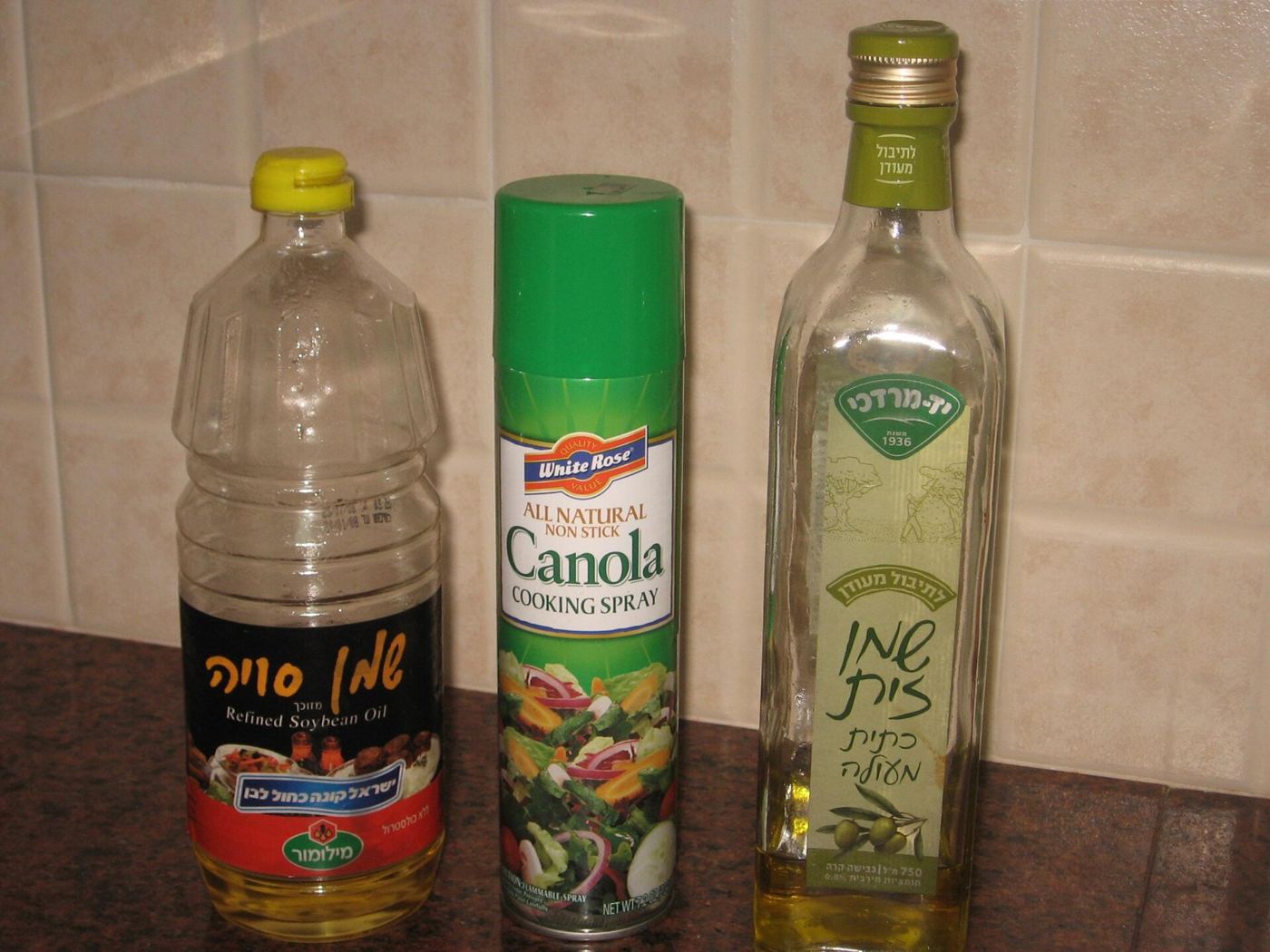

Is cooking oil really harmful? It is a question many households ask, and doctors say the answer depends less on the oil itself than on how it is chosen, stored and used. A doctor explaining the issue this week set out five things consumers should check before buying and using cooking oil: the type of oil, its smoke point, how it has been stored, whether it has been reused, and its expiry date. Oils heated past their smoke point break down and can produce harmful compounds, while oil kept in sunlight or near heat goes rancid faster. Reusing oil again and again, as many takeaways and households do, concentrates those breakdown products. Some oils, such as rapeseed and sunflower, cope better with high heat, while delicate oils are best kept for salads and low-heat cooking.
What the Evidence Shows
The practical advice is straightforward. Choose an oil suited to the cooking method: stable oils with higher smoke points for frying, and flavourful oils such as extra virgin olive oil for dressings and gentle cooking. Store bottles in a cool, dark cupboard with the lid on, and throw away oil that smells stale or looks cloudy. Avoid reusing frying oil many times, and never pour used oil down the drain. Above all, doctors say, quantity matters: even a healthy oil adds many calories in a small amount, so measuring rather than pouring freely keeps meals lighter. Used sensibly, cooking oil is a normal part of a healthy diet. Labels can help shoppers choose, since they show the smoke point and whether the oil is refined or unrefined, which affects how it behaves in a hot pan. Reporting and analysis from sources such as The Lancet track the same developments, and specialists following the five checks for cooking oil safety say the direction is now consistent across independent lines of evidence.
The Wider Context
Equity runs through every discussion of the five checks for cooking oil safety. Interventions that require apps, fees or free weekday afternoons reliably reach the people who need them least, so the programmes earning praise are those designed around clinics, workplaces and community venues that already serve everyone. Evaluation reports now publish uptake by income and region as a matter of routine.
What Happens Next
The practical takeaway on the five checks for cooking oil safety is deliberately unglamorous: it works best as part of ordinary, well-delivered care rather than as a standalone fix. Health services are planning on that basis, building the referral routes and follow-up that turn a promising result into population benefit. The gains arrive slowly and then, in the statistics, unmistakably. You can follow related developments in our coverage of health.
It is also worth remembering how quickly the picture in this area has changed before. Positions that looked settled a few years ago have been revised as new data arrived, and the same humility is appropriate now. The strongest coverage of this subject, and the most useful advice, tends to come from sources that update their views openly when the facts move, rather than defending an earlier position long after it has stopped fitting the evidence available.
