


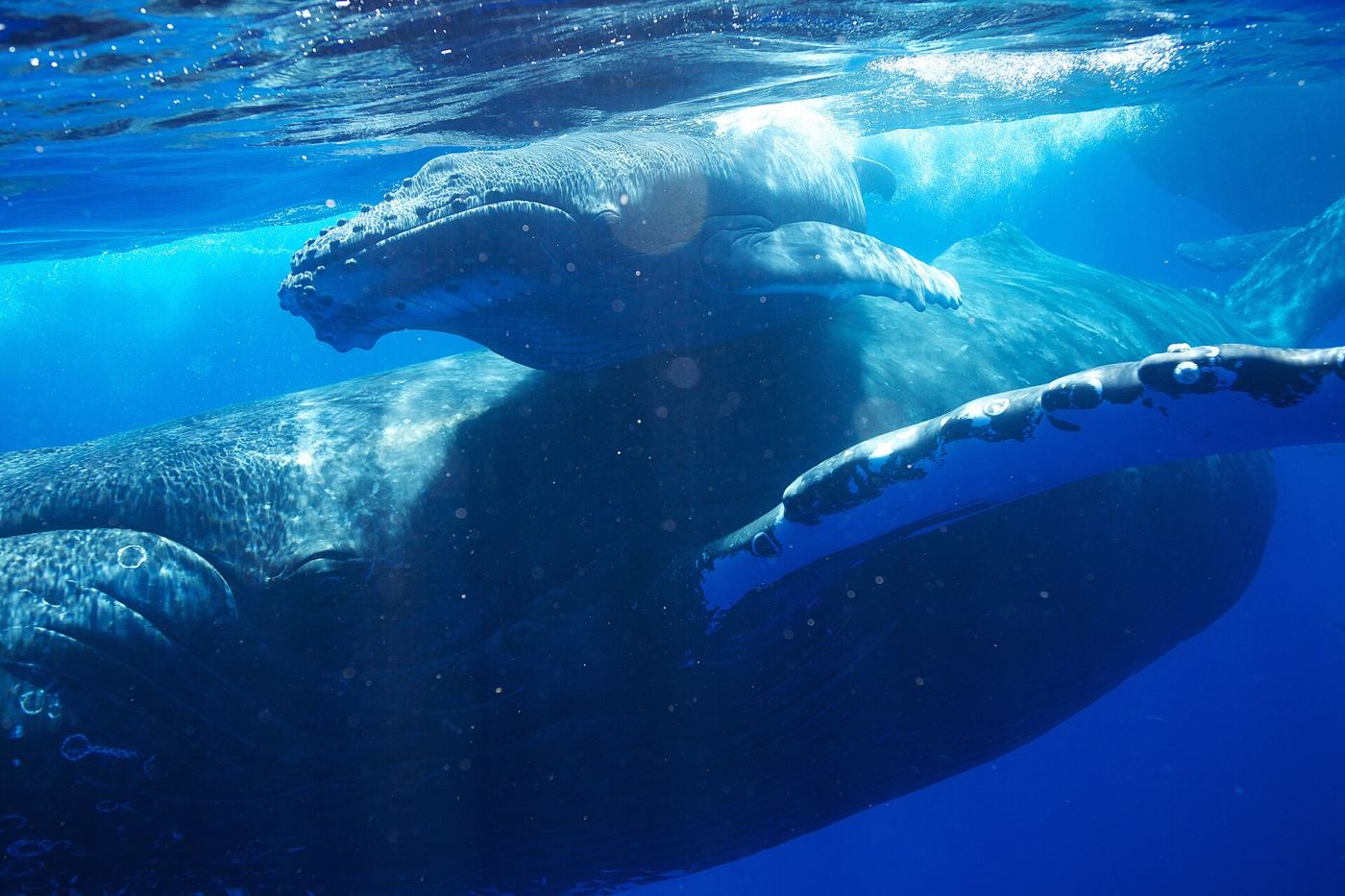

Beneath the surface of the ocean, humpback whales sing songs that can last for half an hour and travel for hundreds of kilometres through the water. The songs are made up of moans, cries and sweeping tones, arranged in patterns that repeat and slowly change over the seasons. Male humpbacks sing most often during the breeding season, and researchers believe the songs help them attract mates and stake a claim among rivals. Remarkably, all the males in one ocean population tend to sing the same song at any given time, and when a new phrase appears, it can spread from one group to another across an entire ocean basin. Scientists record these songs with underwater microphones anchored to the seabed, building libraries of whale voices that stretch back decades. Listening to whales has become one of the best ways to track where they travel and how their populations are faring.
What the Evidence Shows
Studying whale song is not only about music. The sounds whales make reveal how they use the ocean, and how human noise is changing their world. Ships, seismic surveys and naval sonar all add sound to the sea, and researchers have found that whales sometimes fall silent, raise the pitch of their calls or shift their singing times to be heard above the din. In quieter waters, such as during the pause in shipping in 2020, whales were recorded calling more softly, as if the ocean had suddenly become easier to speak in. Conservationists now argue that protecting the ocean’s soundscape matters as much as protecting its water. For scientists, every recorded song is a clue, and the growing archive is slowly revealing a language that humans are only beginning to understand. Reporting and analysis from sources such as National Science Foundation track the same developments, and specialists following the whale songs carrying messages across the oceans say the direction is now consistent across independent lines of evidence.
The Wider Context
The wider context is a research landscape in which replication and open data now decide reputations. Findings connected to the whale songs carrying messages across the oceans are being checked by independent groups with shared datasets, and the teams involved publish their methods in full so rivals can test every step. That discipline is slower than a headline cycle, but it is why results in this area increasingly survive first contact with scrutiny.
What Happens Next
What happens next in the story of the whale songs carrying messages across the oceans will be decided by follow-up work already under way: larger samples, longer observation and instruments that have not yet come online. The researchers involved are unusually united on one point, that the current results justify the next investment of time and money. Readers will not have to wait long for the first tests of that claim. You can follow related developments in our coverage of science.
There is a practical lesson in all of this for readers deciding what to do today. Start with the verified facts, be wary of anyone promising certainty, and prefer reversible steps while the evidence is still developing. Circumstances differ by country, income and personal situation, so general guidance should always be weighed against your own context before you act on it in any significant or lasting way.
