


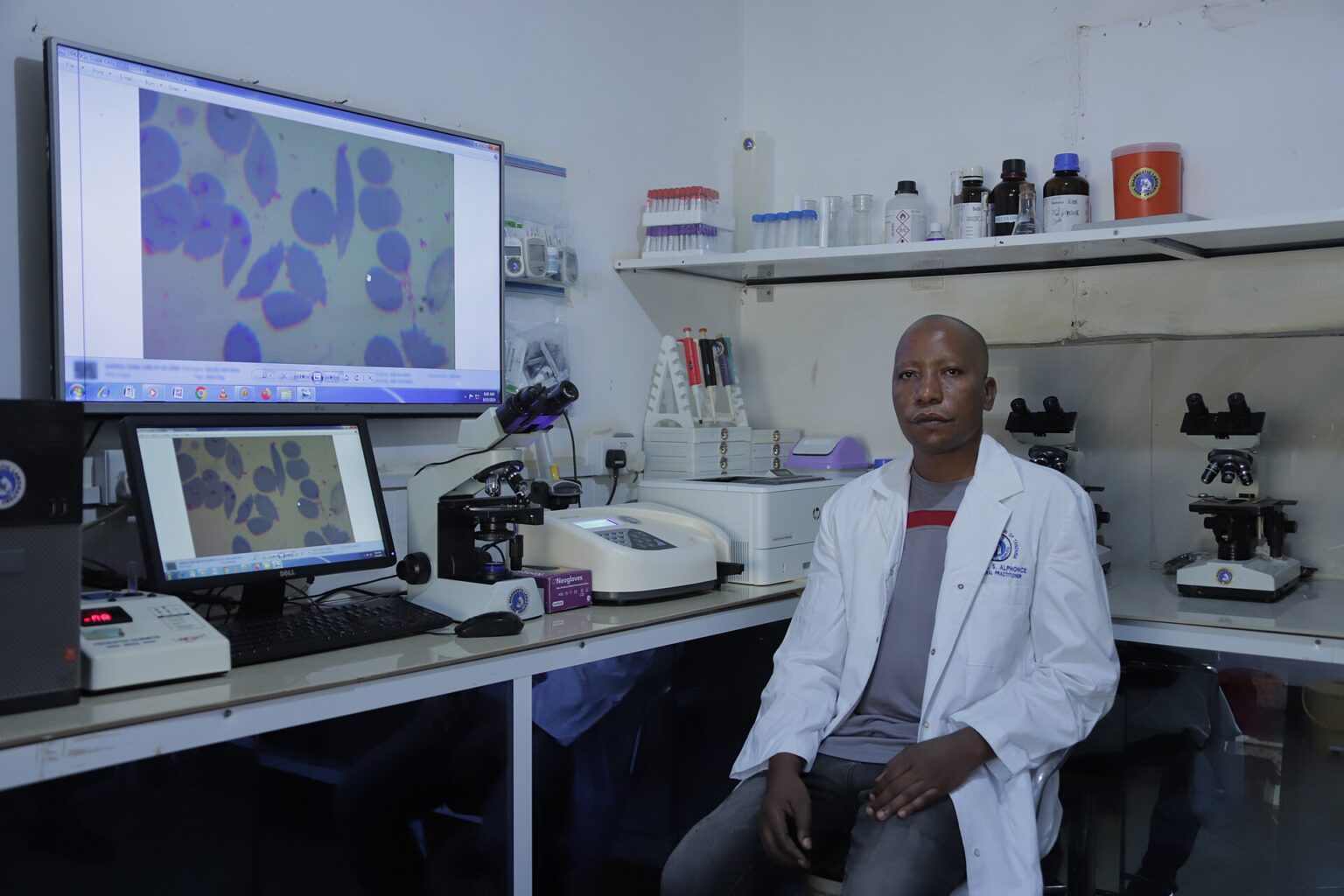

A blood test already used to help diagnose Alzheimer’s disease may also predict which healthy older adults are most likely to develop symptoms years later, according to new research into an Alzheimer’s blood test. The findings, published in JAMA, raise both hope and hard questions about what people should do with a warning that arrives a decade early.
What the Study Measured
Researchers from Mass General Brigham analysed data from 2,684 older adults who were cognitively healthy when they joined long-running studies. Participants received the p-tau217 blood test, which tracks a form of tau protein linked to the plaques and tangles of Alzheimer’s, and were followed with yearly cognitive checks. As our news coverage has reported, blood biomarkers have rapidly moved from research labs toward the clinic.
The test measures phosphorylated tau, one of the proteins that accumulates abnormally in Alzheimer’s brains. Unlike spinal taps or expensive brain scans, a blood draw is cheap and repeatable, which is why its performance in this study matters: a low-cost marker that stratifies risk among healthy people could transform how prevention trials recruit and how clinics plan follow-up.
Alzheimer’s Blood Test Risk Rose Sharply at the Highest Levels
Among symptom-free participants with very high p-tau217 levels, about 38 per cent developed cognitive impairment within five years, rising to 78 per cent by ten years. The senior author stressed it is too soon for healthy people to seek the test: it is currently used to clarify diagnoses in people who already have symptoms, not to screen the well.
Those figures carry an uncomfortable corollary. Even in the highest-risk band, a substantial minority did not develop impairment within five years, and the ten-year estimates rest on relatively few participants followed that long. A positive result today is a probability, not a prophecy — a distinction ethicists say must be communicated with great care to avoid needless fear.
Experts Urge Caution on Individual Predictions
Independent specialists praised the work but noted that only a small fraction of participants were tracked for a full decade, and that other conditions can cloud predictions. The tests, they wrote in an accompanying commentary, are ‘not yet precise enough to guide individualised prognosis’. Read more in the Associated Press report on the study.
The study lands as health systems debate whether biomarker testing should feature in routine mid-life health checks. Insurers, employers and families would all have stakes in the answer, which is why specialists insist the science of prediction must be matched by rules about who gets to know, and what support follows the knowledge.
For now, the result is a research milestone rather than a screening tool — but it points toward a future in which Alzheimer’s risk is spotted in a vial of blood, long before memory fails.
