


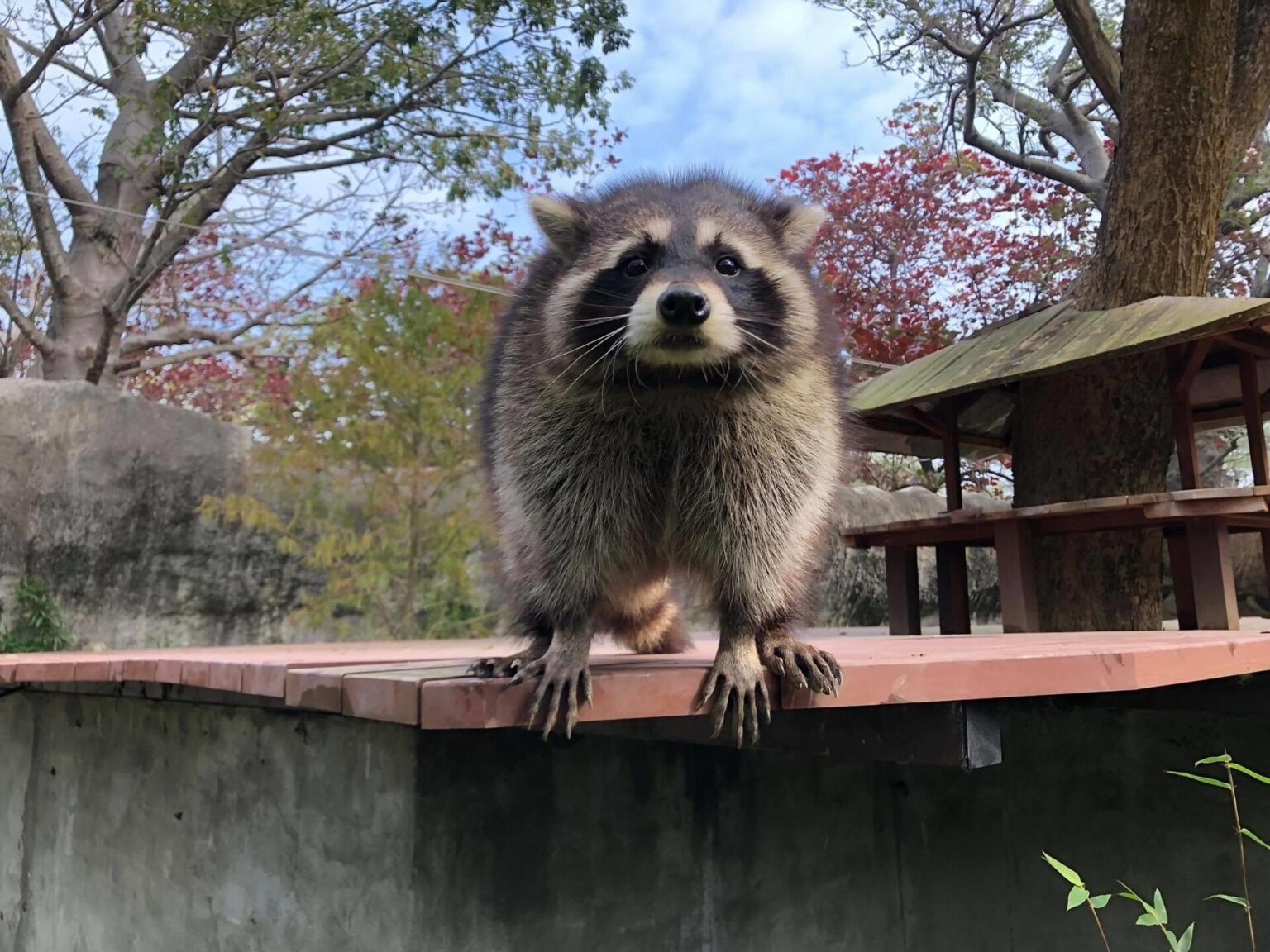

There is no condition in medicine where the instructions are clearer: if a potentially rabid animal bites you, you get vaccinated — immediately, without debate. Which is why a case reported this week has drawn such attention: a 91-year-old man, attacked by a raccoon, received the life-saving rabies vaccine course, only to learn it was not covered by his insurance and that he faced costs running into hundreds of dollars. Our news team examined how an essential treatment fell through a billing gap.
A disease that allows no hesitation
Rabies kills virtually everyone it infects once symptoms begin — a fatality rate unmatched by any other virus — yet post-exposure vaccination, given promptly, is essentially completely protective. The protocol combines rabies immune globulin with a series of vaccine doses over two weeks. The CDC’s rabies pages emphasise the asymmetry: the virus travels slowly along nerves, buying time for the vaccine to work, but once it reaches the brain, medicine has almost nothing to offer. Every hour of the response is therefore organised around not wasting the window.
Where the coverage fell through
The gap in cases like this is rarely a villain; it is architecture. Coverage can hinge on where the vaccine is administered — hospital emergency department versus pharmacy versus clinic — and on whether it is billed as emergency treatment or preventive care. For older patients, the intersections between Medicare’s parts create notorious seams, where a vaccine given in one setting is covered and in another is not. Providers, coding defensively, sometimes choose classifications that plans then reject. The patient, who did the single most important thing — presenting immediately — is left holding paperwork for a treatment no doctor on earth would call optional.
Raccoons, bats and the real risk map
In North America, raccoons are a principal rabies reservoir, with regional virus variants also maintained by skunks, foxes and — most consequentially for human cases — bats, whose bites can be nearly invisible. Ireland, by contrast, is rabies-free in terrestrial animals, a status protected by strict pet-import rules; Irish readers encounter rabies risk mainly through travel, which is why travel-health clinics stress pre-exposure advice for rural trips in Asia and Africa. Wherever it occurs, an unprovoked attack by a wild mammal is treated as a red flag: healthy raccoons do not approach people, and sick behaviour is itself a symptom.
What anyone bitten should do — in order
Wash the wound immediately and thoroughly with soap and water. Seek medical care the same day, however minor the injury looks. Report the attack to animal control or public health authorities, who may capture and test the animal — a negative test can spare the vaccine course entirely. Then, if a bill arrives that seems wrong, dispute it: coding errors are common, appeals succeed frequently, and many health systems operate assistance programmes for exactly this vaccine. Public-health departments can often source lower-cost treatment for the uninsured.
The policy argument this case revives
Public-health experts have argued for years that rabies post-exposure care should be insulated from cost-sharing entirely, on the same logic as emergency care: deterrence by price, in a disease this unforgiving, risks funerals to save invoices. The vaccine’s high price in the United States compared with other countries sharpens the critique. Cases like this one — an elderly man, a wild animal, a bill — become reference points in that debate precisely because the equities are so lopsided. Analyses by groups such as the World Health Organization underline that globally, it is cost and access that still decide who dies of a preventable disease.
The bottom line
The 91-year-old survived because he ignored the arithmetic and got the shots. The system should make that choice costless for the next person. Until billing rules are aligned with the medicine, the advice from every authority is identical: treatment first, paperwork later — and never let a price tag negotiate with a virus that never negotiates back.
