


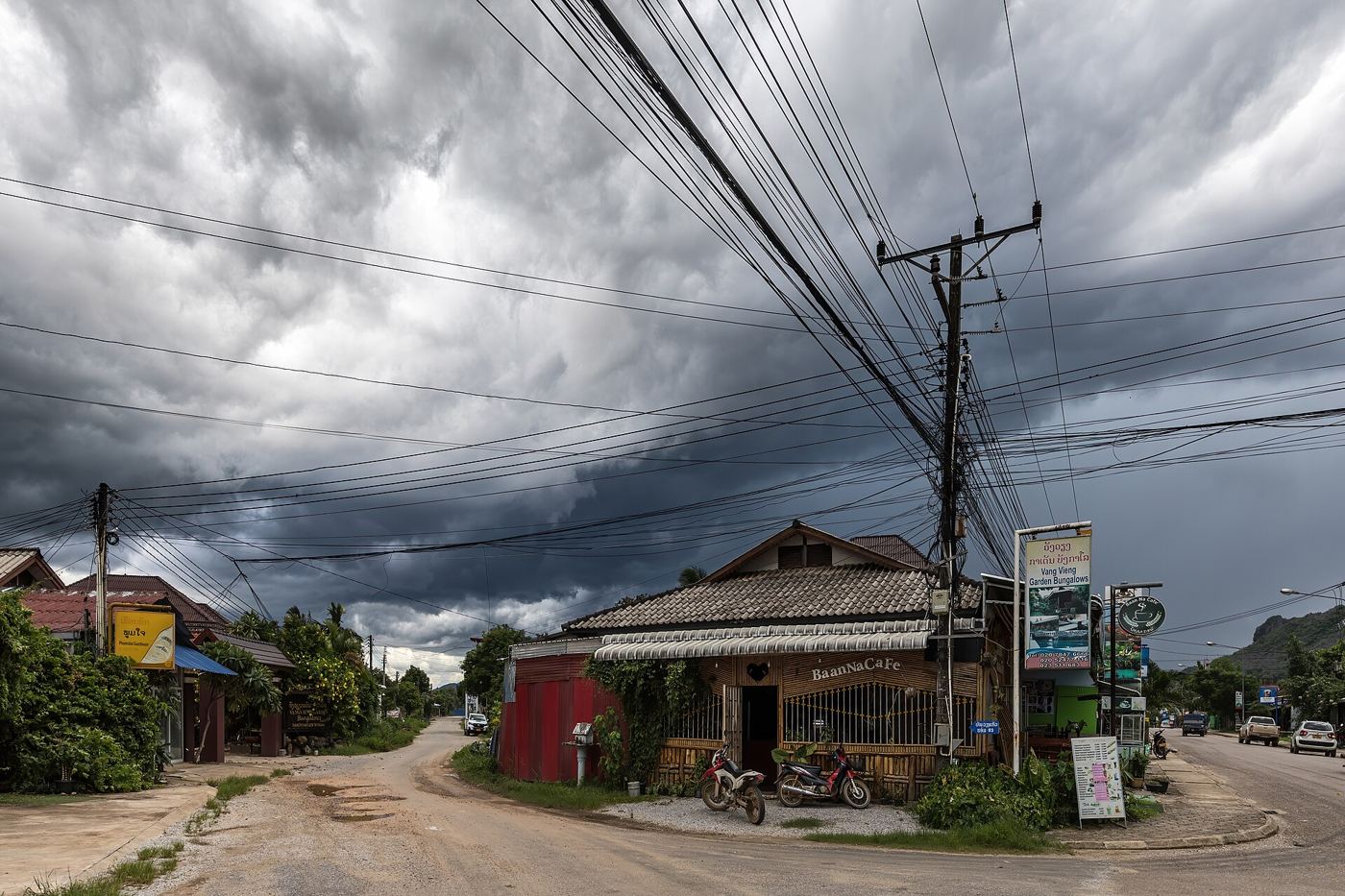

The United States Senate passed the Weather Act by unanimous consent on 10 November, under a bicameral agreement that should send the bill to the President before the current Congress adjourns. The legislation is designed to modernise weather forecasting, strengthening the research, observations and computer models that turn raw measurements into warnings people can act on. Better forecasts mean earlier alerts for hurricanes, floods, wildfires and heatwaves, and more accurate predictions of where a storm will strike and how strong it will be. For communities in the path of severe weather, hours of extra warning can decide whether families evacuate in time and whether emergency services are ready. Forecasters combine satellite images, radar sweeps, ocean buoys and ground stations, feeding millions of observations into supercomputers that simulate the atmosphere in three dimensions.
What the Evidence Shows
Forecasting has improved steadily as satellites, radar networks and supercomputers have grown more powerful, yet the hardest problems remain: predicting exactly where a hurricane will make landfall, how much rain a slow-moving storm will drop, and when a heatwave will break. The new law backs the science behind those questions, from ocean monitoring to the atmospheric research that feeds forecast models. It also arrives as weather services face pressure to do more with stretched resources. If the reforms work as intended, the public should see warnings that arrive earlier, cover smaller areas more precisely, and give clearer guidance on what to do when dangerous weather approaches. The bill also supports research into flash floods, tornadoes and extreme rainfall, the fast-moving hazards that cause the most deaths and are hardest to predict. Reporting and analysis from sources such as National Science Foundation track the same developments, and specialists following the new weather forecasting law say the direction is now consistent across independent lines of evidence.
The Wider Context
The wider context is a research landscape in which replication and open data now decide reputations. Findings connected to the new weather forecasting law are being checked by independent groups with shared datasets, and the teams involved publish their methods in full so rivals can test every step. That discipline is slower than a headline cycle, but it is why results in this area increasingly survive first contact with scrutiny.
What Happens Next
What happens next in the story of the new weather forecasting law will be decided by follow-up work already under way: larger samples, longer observation and instruments that have not yet come online. The researchers involved are unusually united on one point, that the current results justify the next investment of time and money. Readers will not have to wait long for the first tests of that claim. You can follow related developments in our coverage of science.
There is a practical lesson in all of this for readers deciding what to do today. Start with the verified facts, be wary of anyone promising certainty, and prefer reversible steps while the evidence is still developing. Circumstances differ by country, income and personal situation, so general guidance should always be weighed against your own context before you act on it in any significant or lasting way.
