



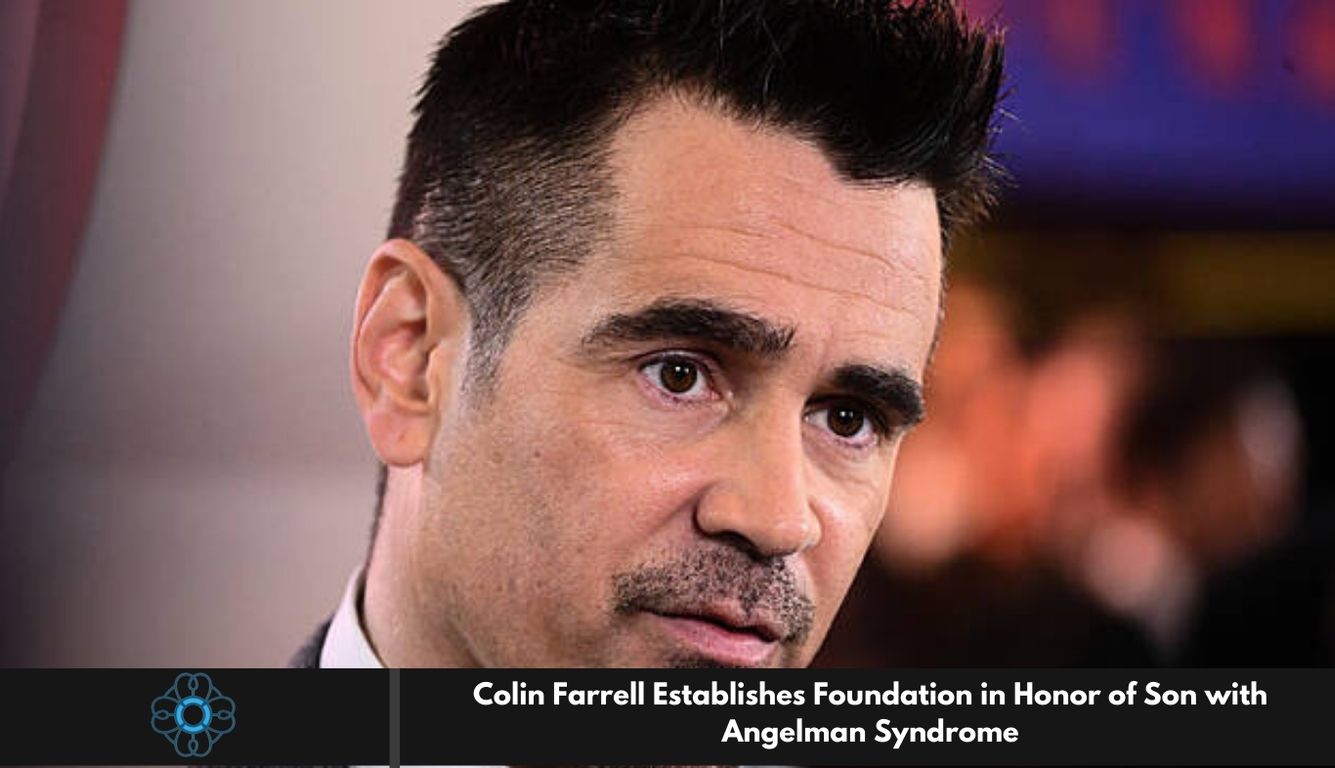

Colin Farrell, the acclaimed actor known for his roles in Minority Report and Bruges, has launched a heartfelt initiative in honor of his son, James, who lives with Angelman syndrome. This rare neurogenetic disorder affects speech, movement, and cognitive abilities, and Farrell’s new foundation seeks to raise awareness and provide support for individuals like James.

The Colin Farrell Foundation aims to address the unique challenges faced by individuals with intellectual disabilities, offering resources such as advocacy, educational programs, and community-based initiatives. Farrell’s personal experience as a father has deeply influenced his mission to ensure that adults with disabilities are treated with dignity and have access to the services they need as they transition into adulthood.
In this article, we explore the foundation’s goals, Farrell’s journey, and the importance of fostering a more inclusive society for individuals with Angelman syndrome and similar conditions. Through his foundation, Farrell hopes to empower families, promote understanding, and create lasting change for those with intellectual disabilities.
What is Angelman Syndrome?
Angelman syndrome is a rare neurogenetic disorder that primarily affects the development of speech, movement, and cognitive abilities. This condition typically leads to developmental delays, challenges in motor coordination, and speech difficulties. Though Angelman syndrome does not affect a person’s emotional or social abilities, the lack of verbal communication and coordination can limit the person’s capacity to engage fully with society. Colin Farrell has dedicated his foundation to supporting adults with similar disabilities, ensuring they receive the care and opportunities they need to thrive.
The Importance of the Colin Farrell Foundation
The Colin Farrell Foundation was established with a singular vision: to advocate for individuals living with intellectual disabilities and provide resources for them and their families. This charitable organization will work to ensure that individuals with disabilities receive the support they need to lead fulfilling lives. As Farrell mentioned, once a person with intellectual disabilities turns 21, many of the support systems in place, such as special education services and government-funded programs, cease to exist. This can leave young adults isolated and without adequate help. The foundation is a response to this gap in resources and aims to create a more inclusive society for those who often feel left behind.
Farrell’s Emotional Journey with His Son
Colin Farrell’s dedication to his son, James, is at the heart of the foundation’s mission. The actor shares that his decision to speak out about James’ condition and create the foundation stems from his desire to advocate for children with special needs who cannot advocate for themselves. Farrell expresses that while he cannot directly ask James for his consent to engage in these initiatives, he knows deep down that his son would support the cause. Farrell speaks with immense pride about James’ progress and accomplishments, emphasizing that his son is “magic” and has worked tirelessly to overcome challenges. The actor’s journey highlights the emotional and psychological impact of having a child with a developmental disability and the need for more support in the community.
The Goal of the Foundation: Advocacy and Support
At its core, the Colin Farrell Foundation seeks to increase awareness and advocacy for individuals like James. The foundation’s key goals include providing educational opportunities for families, promoting social integration for individuals with disabilities, and offering programs that enhance the quality of life for those with special needs. One of the most critical aspects of the foundation’s mission is to ensure that individuals with intellectual disabilities are seen and heard in society, emphasizing their rights to autonomy, dignity, and inclusion.
Challenges Faced by Families of Children with Special Needs
Families of children with intellectual disabilities often face a unique set of challenges. The journey can be emotionally, physically, and financially demanding, and there is usually a lack of understanding from the broader community. As Farrell noted, when children with special needs reach adulthood, they often lose access to essential services and support. The lack of resources available for adults with intellectual disabilities is a significant issue that the Colin Farrell Foundation aims to address. By raising awareness and advocating for better resources, the foundation hopes to make a meaningful difference in the lives of families like Farrell’s.
The Role of Education in the Foundation’s Mission
Education is a crucial component of the Colin Farrell Foundation’s work. The foundation will not only support individuals with intellectual disabilities but also provide educational resources for families and caregivers. Through workshops, information sessions, and community outreach, the foundation will equip families with the knowledge and tools they need to navigate the challenges they face. Education is also key in raising awareness and promoting a broader understanding of Angelman syndrome and other intellectual disabilities, which is essential for fostering empathy and inclusivity.
Innovative Programs to Support Individuals with Disabilities
The Colin Farrell Foundation will be focusing on creating innovative programs that provide real-world solutions to challenges faced by individuals with intellectual disabilities. These programs will include job training, social skills development, and community-based activities that help integrate individuals into society. The foundation plans to collaborate with experts in various fields to design programs that promote independence and improve the overall well-being of participants. By investing in innovative strategies, the foundation hopes to make a long-term impact on the lives of those affected by Angelman syndrome and similar conditions.
Farrell’s Vision for a More Inclusive Society
Colin Farrell’s personal experience has deeply influenced his vision for the foundation. Farrell believes that society must become more inclusive and accepting of individuals with intellectual disabilities. He envisions a world where people like his son, James, are treated with kindness and respect and are given the same opportunities as anyone else. The foundation aims to break down societal barriers and ensure that individuals with disabilities have a place in every aspect of life—from education to employment and beyond.
Why Farrell Chose to Speak Publicly About James’ Condition
Although Farrell has been private about his personal life, he felt compelled to speak out about his son’s condition and the foundation’s mission. He explains that his decision to go public with this cause was not made lightly, as he cannot directly ask James for his approval. However, he is confident that James would want to help others in similar situations. Farrell’s openness serves as an inspiration to other parents of children with special needs, showing them that they are not alone in their struggles.
The Importance of Kindness and Respect for Individuals with Disabilities
One of Farrell’s most poignant messages is the need for kindness and respect toward individuals with disabilities. As he stated, once a person with intellectual disabilities turns 21, they are often left without the support systems that were previously in place. Farrell urges the world to treat individuals like James with compassion and understanding, advocating for more inclusive policies and practices. The foundation is a step toward making that vision a reality, promoting a culture of empathy and respect for everyone, regardless of their abilities.
Frequently Asked Questions
What is the Colin Farrell Foundation?
The Colin Farrell Foundation is a charitable organization established by actor Colin Farrell in honor of his son, James, who has Angelman syndrome. The foundation aims to support adults with intellectual disabilities, providing advocacy, educational resources, and innovative programs to improve their quality of life and promote societal inclusion.
What is Angelman syndrome?
Angelman syndrome is a rare neurogenetic disorder that affects speech, movement, and cognitive abilities. Individuals with this condition often experience developmental delays, motor coordination challenges, and difficulty with communication. However, their social and emotional skills are typically intact. The syndrome is the primary inspiration behind the Colin Farrell Foundation’s mission.
How does the Colin Farrell Foundation support people with intellectual disabilities?
The foundation focuses on advocacy, education, and developing innovative programs designed to empower individuals with intellectual disabilities. These initiatives aim to improve their quality of life by providing access to job training, social integration activities, and community-based support, ensuring they can live fulfilling, integrated lives.
Why did Colin Farrell create the foundation?
Colin Farrell created the foundation out of his love and commitment to his son, James, and to raise awareness for children and adults with intellectual disabilities. He recognized the gap in support services once individuals with special needs reach adulthood and sought to ensure they receive the help and dignity they deserve.
How can I support the Colin Farrell Foundation?
You can support the Colin Farrell Foundation by donating, volunteering, or helping spread awareness about its mission. Engaging with the foundation’s programs, attending fundraising events, or simply sharing information with others are great ways to contribute to this vital cause.
Is the Colin Farrell Foundation only for those with Angelman syndrome?
While the foundation was initially inspired by Colin Farrell’s son James and his diagnosis of Angelman syndrome, its work extends to all individuals with intellectual disabilities. The foundation provides support and resources for people with various conditions, focusing on improving their quality of life and promoting inclusivity across communities.
How can I learn more about the foundation’s programs?
For more information about the foundation’s programs, upcoming events, and ways to get involved, visit the official Colin Farrell Foundation website or follow them on social media. The foundation frequently updates its platform with news, success stories, and opportunities for public engagement.
How will the Colin Farrell Foundation impact the lives of people with intellectual disabilities?
The foundation aims to make a significant impact by advocating for better resources and support systems for individuals with intellectual disabilities, particularly as they transition into adulthood. Through educational initiatives, social integration programs, and community partnerships, the foundation strives to help these individuals lead independent, fulfilling lives.
Is the Colin Farrell Foundation limited to a specific geographic area?
While the foundation’s efforts are global in scope, they primarily focus on providing support within communities where services for individuals with intellectual disabilities may be limited. As the foundation grows, it plans to expand its reach and collaborate with other organizations worldwide to ensure broader access to resources.
Can I contribute to the foundation if I’m unable to make a financial donation?
Yes, the foundation welcomes support in many forms beyond financial donations. You can contribute by volunteering, sharing information about the foundation, organizing local events, or helping raise awareness through social media. Every form of engagement plays a critical role in furthering the foundation’s mission and making a positive difference.
Conclusion
The Colin Farrell Foundation is a powerful initiative born from a father’s love and dedication to his son, James, who lives with Angelman syndrome. Through this foundation, Colin Farrell is working to create a more inclusive society for individuals with intellectual disabilities, offering vital resources, advocacy, and innovative programs to improve their lives. By focusing on education, social integration, and long-term support, the foundation strives to ensure that people like James are treated with the kindness, respect, and opportunities they deserve. The foundation’s mission not only honors Farrell’s son but also serves as a beacon of hope for families and individuals affected by similar conditions worldwide. As the foundation grows, its impact will continue to empower communities, raise awareness, and advocate for change, creating a brighter, more inclusive future for all.
