


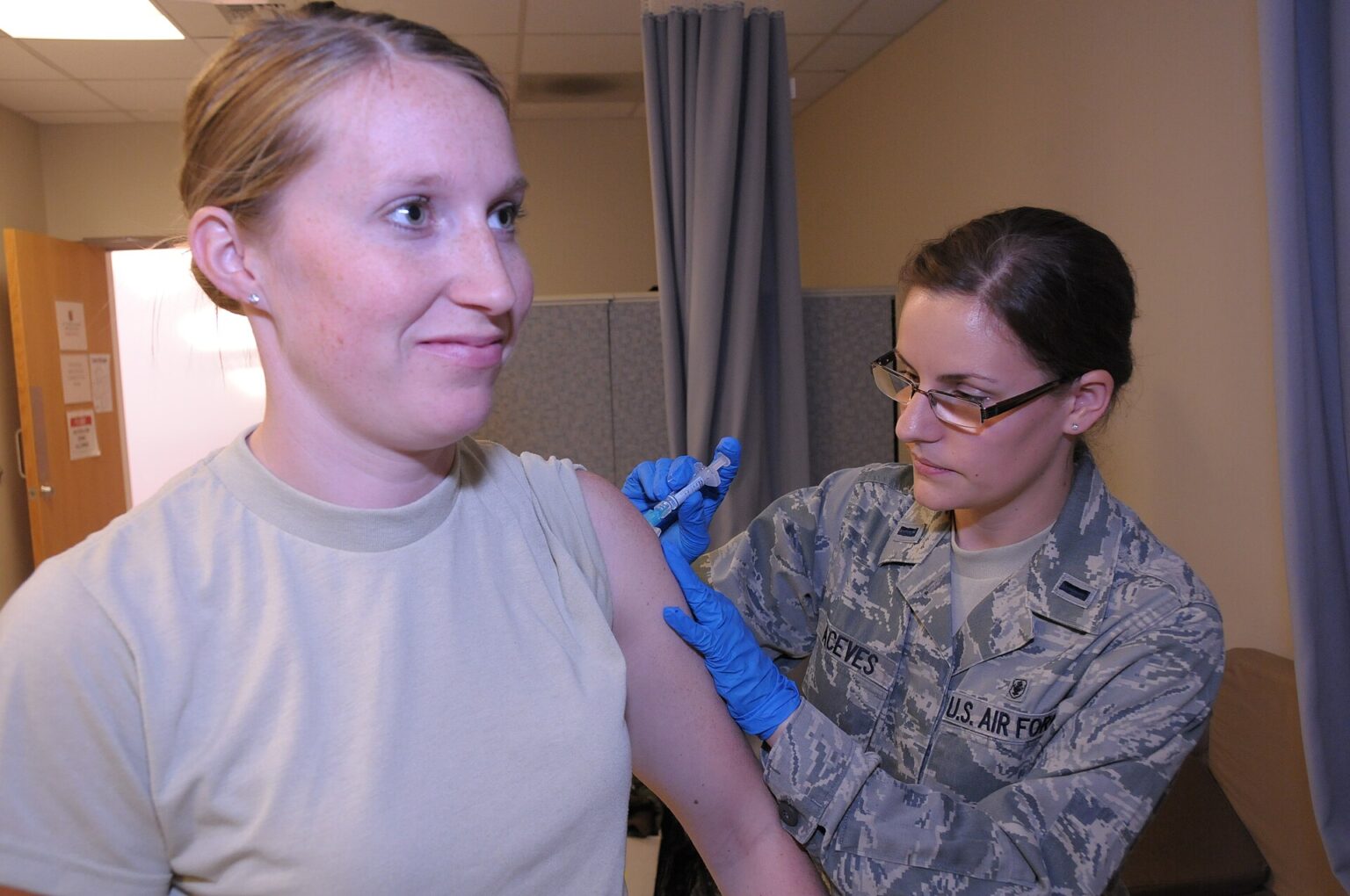

Measles cases in the United States rose by 8 per cent in a single week, taking the national total to 4,410 confirmed cases, according to the latest federal surveillance figures. It is a notable weekly jump for a disease that was declared eliminated in the US in 2000, and health officials are watching the trend carefully. The increase, while real, is best understood in context: numbers remain far below the levels seen in major historical outbreaks, and most cases continue to be linked to identifiable clusters rather than unexplained nationwide spread.
Public health specialists point to a familiar set of drivers behind the rise. International travel keeps reintroducing the virus into communities, and where vaccination coverage has slipped below the level needed for community protection, a single imported case can spark a local chain of infections. Pockets of under-vaccinated children, delayed routine immunisations after the pandemic years, and misinformation about vaccine safety have all contributed to the conditions in which measles, one of the most contagious viruses known, can move quickly.
Recognising the symptoms early
Measles usually begins like a heavy cold or flu: a high fever, cough, runny nose and sore, red eyes. Tiny white spots may appear inside the mouth after two or three days, followed by the distinctive blotchy red rash that typically starts on the face and spreads down the body. The illness can lead to complications including ear infections, pneumonia and, rarely, inflammation of the brain, which is why doctors urge anyone who suspects measles to phone ahead before visiting a clinic, so they can be seen without exposing waiting rooms.
Guidance from the US Centers for Disease Control and Prevention remains the reference point for families: the MMR vaccine, given in two doses, is about 97 per cent effective at preventing measles, and most people who are fully vaccinated are protected for life. Health officials advise parents to check their children’s records, particularly before travel, and to catch up on any missed doses. Adults unsure of their status can usually be vaccinated without needing blood tests first, and pharmacists as well as family doctors can advise.
A measured response, not alarm
Experts stress that the weekly rise is a signal to act calmly rather than a cause for panic. Targeted vaccination clinics in affected areas, clear school exclusion rules for infectious children, and rapid contact tracing have contained similar clusters before. Our health reporting, including the early trial of a personalised ovarian cancer vaccine, often returns to the same theme: prevention works best when it is routine, trusted and easy to access, long before any outbreak makes headlines.
Schools and childcare settings sit at the centre of the response because measles spreads so efficiently indoors and children mix closely there. Most jurisdictions require proof of vaccination for school entry, and during a local cluster, unvaccinated children who have been exposed may be asked to stay home for a period even if they feel well, since people can pass on the virus before the rash appears. That precaution, officials say, is one of the least disruptive ways to break a chain of transmission before it widens into classrooms and workplaces.
It is also worth remembering why health agencies react quickly to relatively small numbers. Before vaccination became routine, measles infected millions of children a year in the US and caused hundreds of deaths annually. The vaccine changed that picture within a generation, and the current case count, while unwelcome, reflects occasional sparks in under-protected communities rather than a return to that era. The officials’ message is consistent: the tools that ended routine measles transmission still work, provided coverage stays high.
For readers in Ireland, the American figures are a reminder rather than a direct warning. Measles circulates globally, vaccination rates here have also drifted below target in some areas, and the same advice applies: know your family’s vaccination status, watch for the early symptoms after travel, and rely on official health guidance over social media claims. A disease this contagious rewards preparation, and the 8 per cent weekly rise in the US is best read as a prompt to check the basics while case numbers are still manageable.
