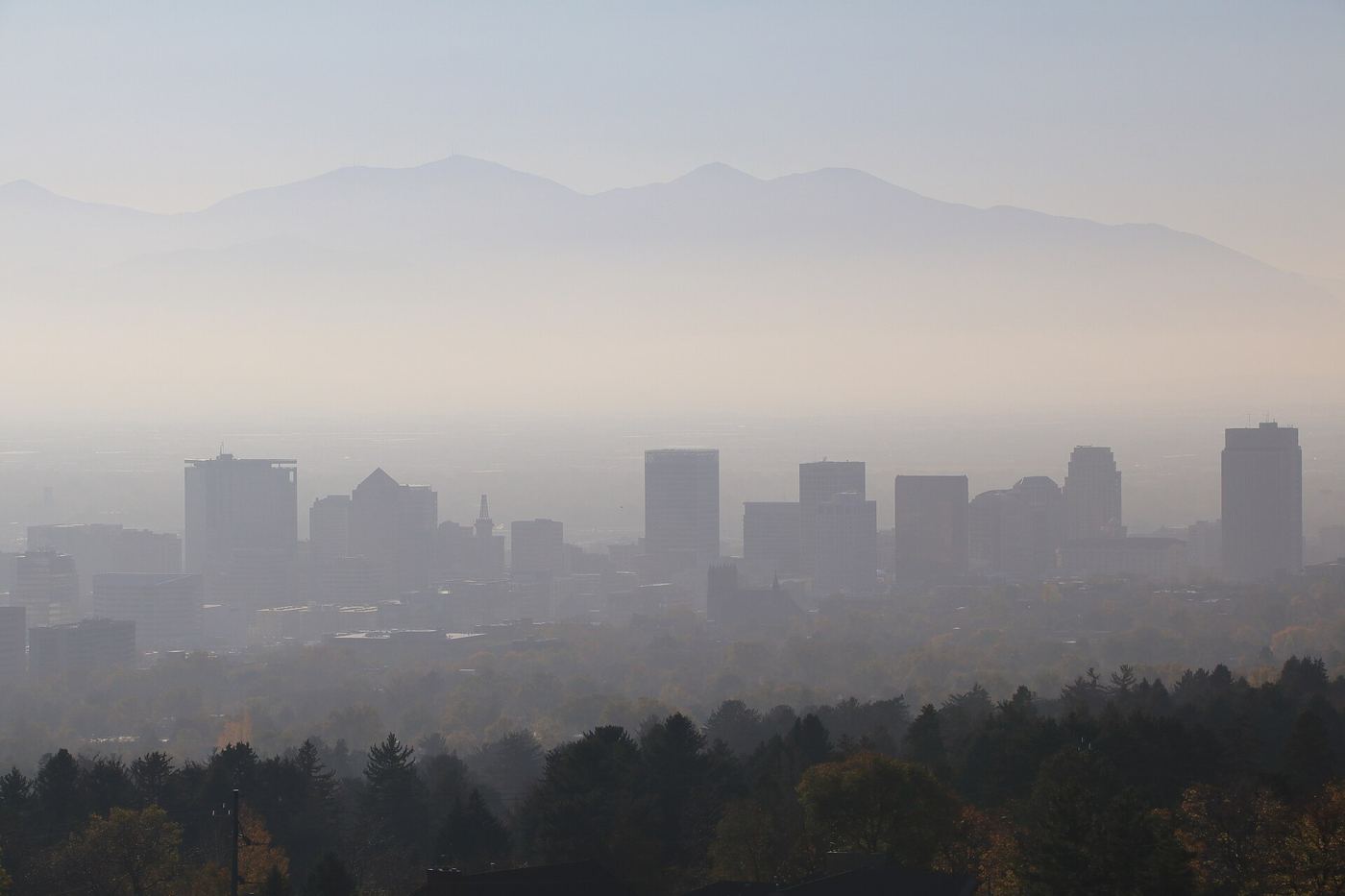

Almost everyone on Earth breathes polluted air. The World Health Organization estimates that 99 percent of the world’s population lives in places where air quality guidelines are exceeded, and that air pollution, from outdoor smog and indoor smoke combined, causes around seven million premature deaths every year. The smallest particles, known as PM2.5, are the most dangerous, because they are fine enough to pass from the lungs into the bloodstream, where they damage the heart, blood vessels and brain. The main sources are familiar: traffic exhaust, power stations, industry, farming and burning wood or dung for cooking and heat. The WHO tightened its guidelines in 2021, halving the recommended annual limit for PM2.5 to 5 micrograms per cubic metre, a level almost no major city meets. Air pollution is now linked not only to asthma and lung cancer but also to strokes, heart attacks, dementia and low birth weight, and children are especially vulnerable because their lungs are still developing and they breathe faster than adults.
What the Evidence Shows
The solutions depend on where people live. In wealthy countries, the biggest gains come from cleaner vehicles, stricter limits on industry and power stations, and more walking, cycling and public transport. In poorer countries, the priority is often the kitchen: around two billion people still cook over open fires or smoky stoves, and switching to clean fuels such as gas or electricity is one of the fastest ways to save lives. Individuals can reduce their own exposure by avoiding busy roads at rush hour, ventilating homes well and not burning wood indoors, but the largest improvements need policy, not personal effort. The good news is that air quality responds quickly: when cities cut traffic or close coal plants, pollution falls within weeks, and hospital admissions follow. Reporting and analysis from sources such as The Lancet track the same developments, and specialists following air pollution health toll say the direction is now consistent across independent lines of evidence.
The Wider Context
Equity runs through every discussion of air pollution health toll. Interventions that require apps, fees or free weekday afternoons reliably reach the people who need them least, so the programmes earning praise are those designed around clinics, workplaces and community venues that already serve everyone. Evaluation reports now publish uptake by income and region as a matter of routine.
What Happens Next
The practical takeaway on air pollution health toll is deliberately unglamorous: it works best as part of ordinary, well-delivered care rather than as a standalone fix. Health services are planning on that basis, building the referral routes and follow-up that turn a promising result into population benefit. The gains arrive slowly and then, in the statistics, unmistakably. You can follow related developments in our coverage of health.
It is also worth remembering how quickly the picture in this area has changed before. Positions that looked settled a few years ago have been revised as new data arrived, and the same humility is appropriate now. The strongest coverage of this subject, and the most useful advice, tends to come from sources that update their views openly when the facts move, rather than defending an earlier position long after it has stopped fitting the evidence available.