


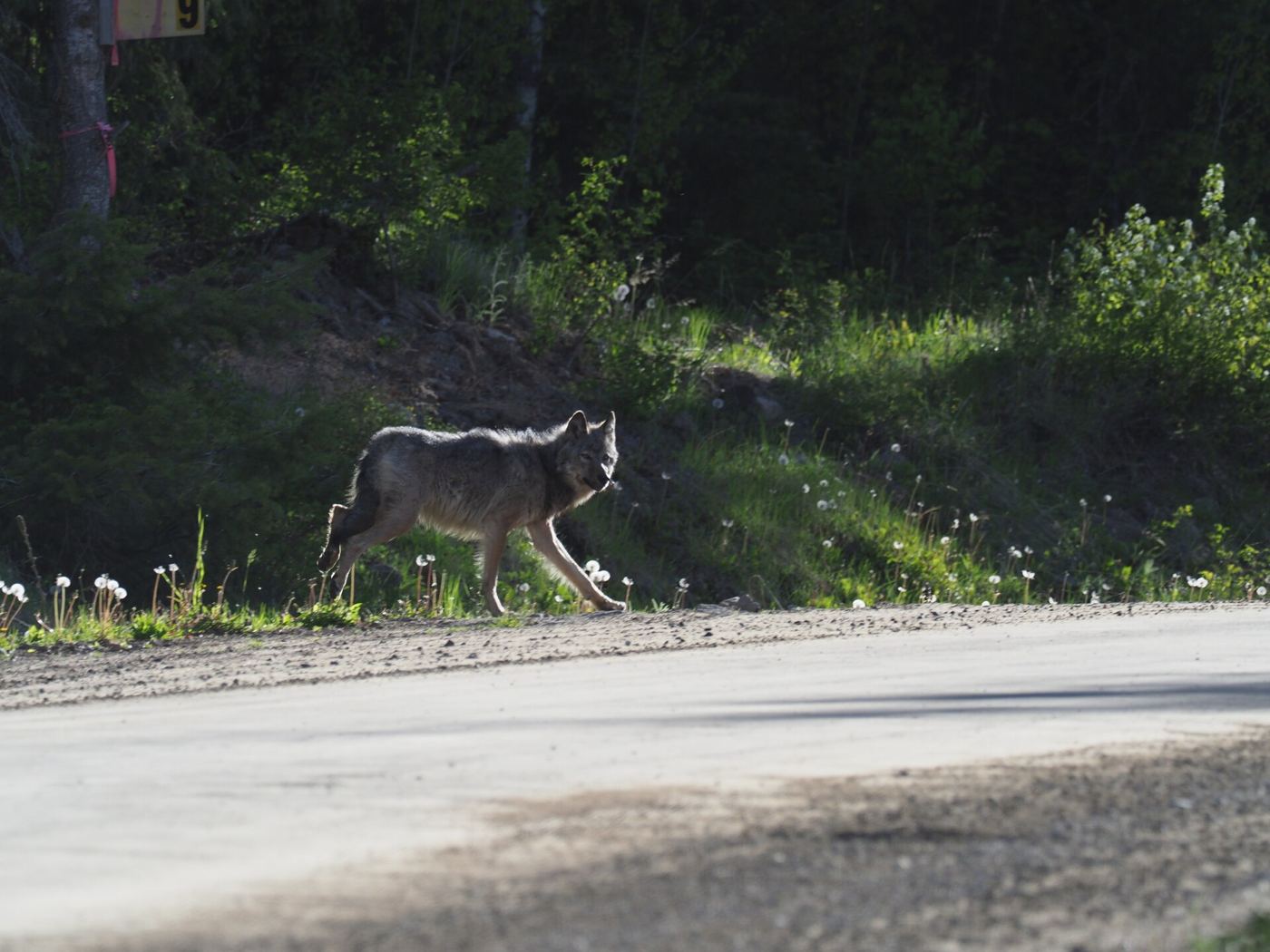

In April 2025, a Texas biotechnology company announced it had brought back the dire wolf, a predator extinct for about 13,000 years and made famous by the television series Game of Thrones. Colossal Biosciences unveiled three pups, two males named Romulus and Remus, born on 1 October 2024, and a female named Khaleesi, born on 30 January 2025. The company did not clone a preserved animal. Instead, scientists analysed ancient DNA from a 13,000-year-old tooth and a 72,000-year-old ear bone, identified about 20 genetic edits across 14 genes that distinguish dire wolves from grey wolves, and made those edits in grey wolf cells using CRISPR. Embryos were carried by surrogate dogs, and the pups now live on a 2,000-acre fenced preserve at an undisclosed location in the northern United States.
What the Evidence Shows
The announcement set off one of the fiercest debates in modern biology. Colossal calls the pups the first successfully de-extincted animal, but many scientists object that the animals are genetically engineered grey wolves, not true dire wolves, since the edits touch only a tiny fraction of the millions of genetic differences between the species. The company’s chief scientist later acknowledged that a perfect resurrection is impossible. Yet even the critics concede the technology matters: the same techniques could help save endangered species such as the red wolf, a critically endangered animal with fewer than two dozen left in the wild in North Carolina, by restoring lost genetic diversity. Colossal’s next targets are the woolly mammoth and the thylacine, the Tasmanian tiger, and the argument over what counts as bringing a species back is far from settled. Reporting and analysis from sources such as National Science Foundation track the same developments, and specialists following dire wolf de-extinction claim say the direction is now consistent across independent lines of evidence.
The Wider Context
The wider context is a research landscape in which replication and open data now decide reputations. Findings connected to dire wolf de-extinction claim are being checked by independent groups with shared datasets, and the teams involved publish their methods in full so rivals can test every step. That discipline is slower than a headline cycle, but it is why results in this area increasingly survive first contact with scrutiny.
What Happens Next
What happens next in the story of dire wolf de-extinction claim will be decided by follow-up work already under way: larger samples, longer observation and instruments that have not yet come online. The researchers involved are unusually united on one point, that the current results justify the next investment of time and money. Readers will not have to wait long for the first tests of that claim. You can follow related developments in our coverage of science.
There is a practical lesson in all of this for readers deciding what to do today. Start with the verified facts, be wary of anyone promising certainty, and prefer reversible steps while the evidence is still developing. Circumstances differ by country, income and personal situation, so general guidance should always be weighed against your own context before you act on it in any significant or lasting way.
