


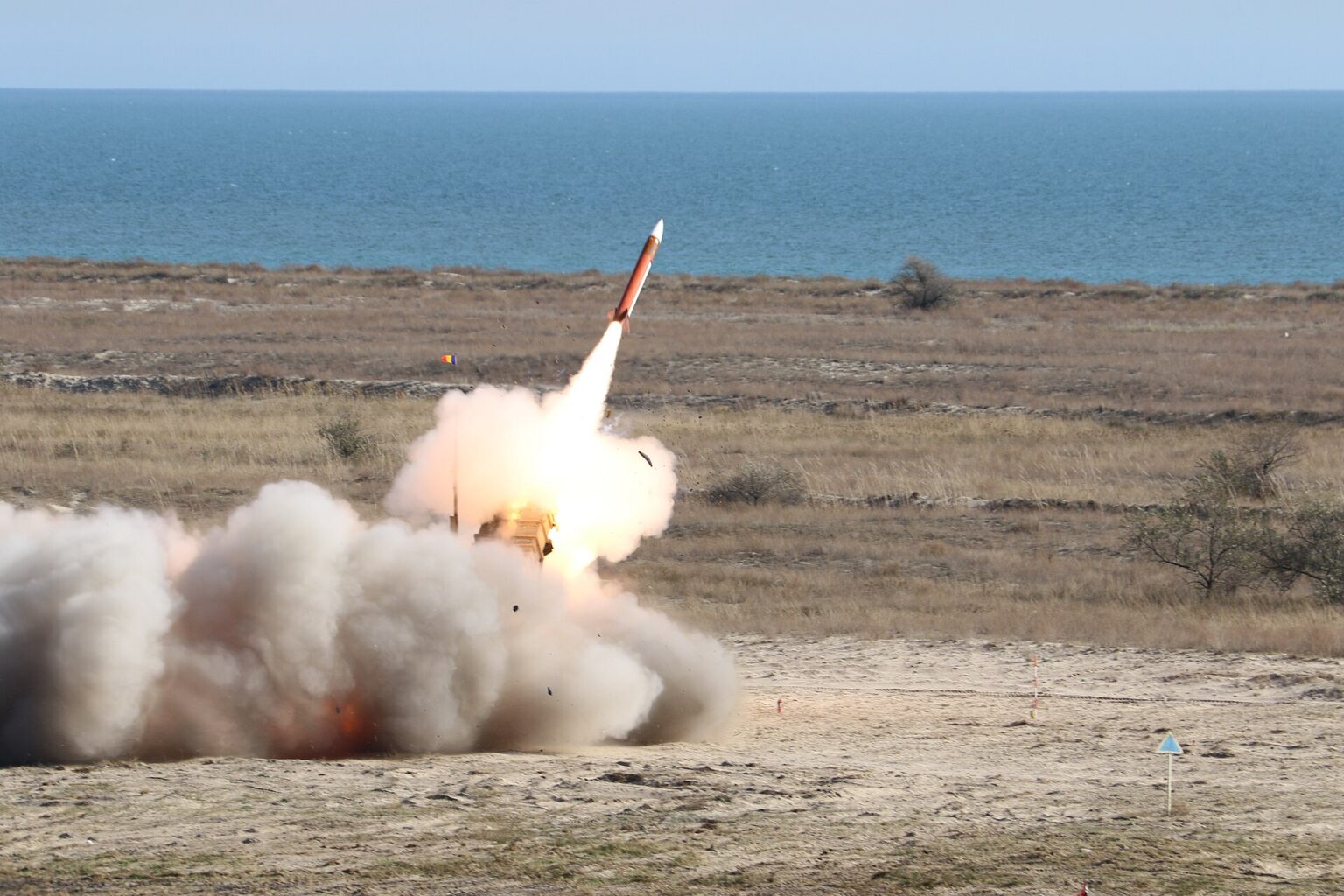

The United States has approved the sale of 500 Patriot interceptor missiles to Ukraine in a package valued at about $2.1 billion, one of the largest single air-defence transfers of the war. The interceptors are regarded by military analysts as among the few weapons able to counter Russia’s ballistic missiles, and the deal is being funded entirely by European and Canadian partners rather than by Washington itself. The Patriot missile sale underlines how central air defence has become to Ukraine’s war effort.
Why Patriots Matter to Kyiv
Ukraine has repeatedly identified air defence as its most urgent military need, as Russian strikes continue to target cities and energy infrastructure. Patriot systems can engage ballistic missiles at long range, a capability few other platforms in Ukraine’s arsenal can match. President Zelensky has warned, however, that deliveries of complex systems can take years, so the announcement does not solve Kyiv’s immediate shortage. Even so, a confirmed pipeline of 500 interceptors gives Ukrainian planners something they have often lacked: certainty about future supply. Readers can follow the background in our world news coverage.
Europe and Canada Foot the Bill
The financing structure is as notable as the missiles themselves. European governments and Canada are paying for the package, reflecting a broader shift in which allies buy American weapons for Ukraine while Washington limits its direct spending. Supporters say the model keeps US production lines central while spreading the cost. Critics counter that it adds delay and paperwork to an urgent war effort. Either way, the arrangement shows how the politics of supporting Ukraine have changed since the war began.
Reaction to the Patriot Missile Sale
The approval landed during a week of intense diplomacy, including a G20 foreign ministers’ meeting dominated by the war. Reporting in today’s international news brief notes that Ukraine’s partners used the gathering to press for faster deliveries and firmer commitments. Moscow has condemned Western arms transfers throughout the conflict and is likely to denounce this package as well. For Kyiv, the test now is pace: contracts, production slots and training schedules will decide when the first of the 500 missiles actually reach Ukrainian batteries. Ukrainian commanders have long argued that a handful of Patriot batteries cannot cover a country of Ukraine’s size, which is why Kyiv has pressed for both more systems and a guaranteed flow of interceptors to feed them. Missiles, unlike launchers, are consumed every time Russia attacks, so a contract for 500 rounds may matter more in practice than announcements about new batteries. Production capacity in the United States will decide how quickly that promise becomes metal on the ground.
Air defence has become the currency of this war, and Patriot interceptors are its gold standard. The $2.1 billion package strengthens Ukraine’s long-term position, but the gap between announcement and delivery remains the number that matters most in Kyiv. The politics of the package matter too: European and Canadian money buying American missiles for Ukraine is now the template for Western support, and its durability will be tested every time a parliament debates the next cheque.
