


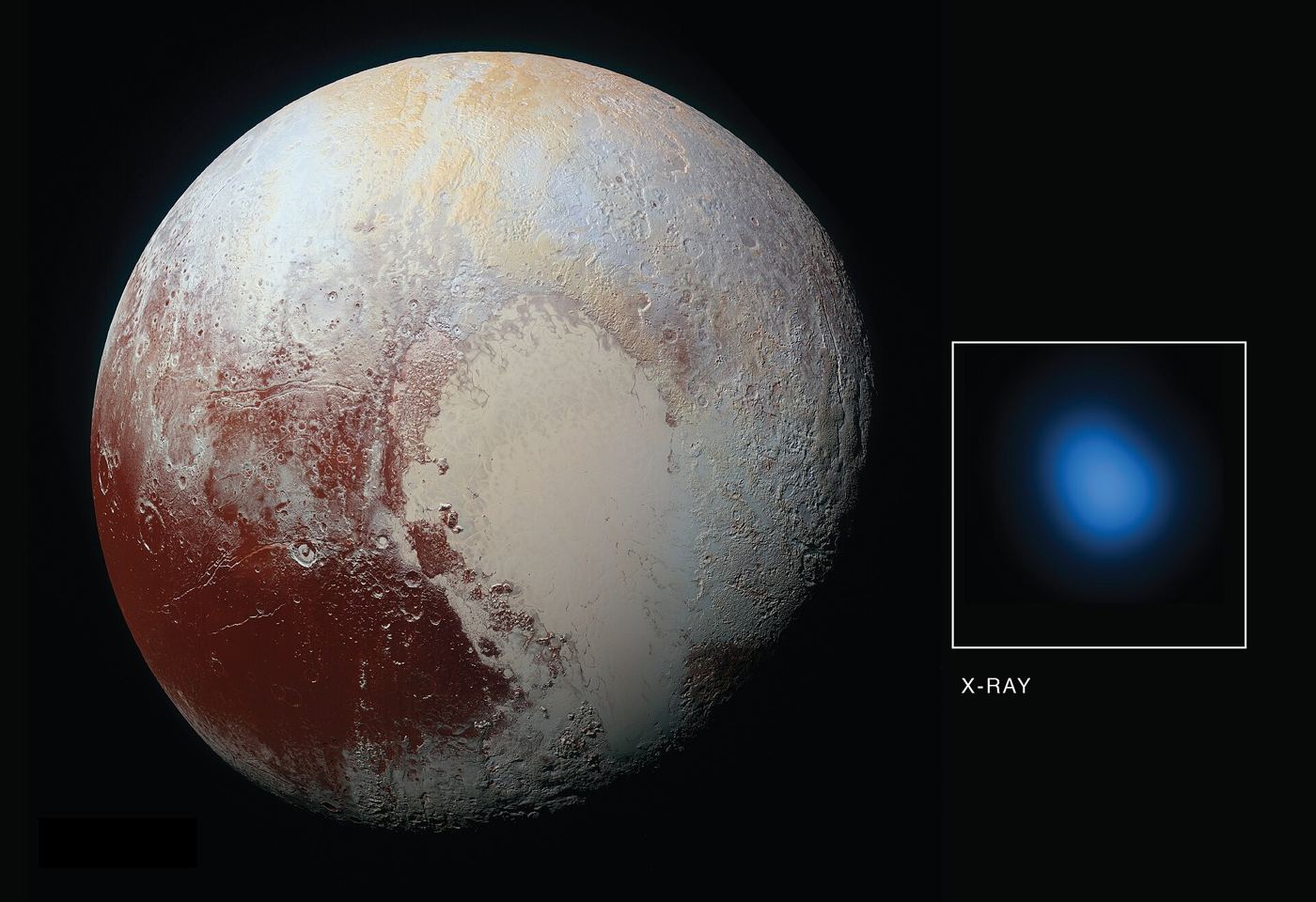

NASA scientists studying tiny grains of space dust collected high in Earth’s atmosphere have found evidence of an ancient reservoir of ice in the Kuiper Belt, the distant region beyond Neptune. The study, reported on 18 November 2026, analysed 12 dust particles collected from the stratosphere by NASA’s ER-2 high-altitude research aircraft. Researchers at NASA’s Johnson Space Center in Houston, working with colleagues at the University of California, Los Angeles, used electron microscopy and an ion microprobe to study the particles’ minerals and oxygen isotopes. High concentrations of tracks left by energetic particles from the Sun helped trace the dust back to the Kuiper Belt. The particles contain minerals that formed when water interacted with dust early in the solar system’s history, and their chemical signatures show the ancient water was enriched in heavier oxygen isotopes.
What the Evidence Shows
The finding offers new insight into how materials were distributed through the early solar system and contributed to planet formation. The Kuiper Belt is a ring of icy bodies beyond Neptune, including the dwarf planets Pluto, Haumea and Makemake, and it is thought to be a remnant of the disc of gas and dust from which the planets formed. Dust from the belt drifts inward over millions of years, and some of it is swept up by Earth’s atmosphere, where aircraft can collect it. By reading the chemistry of a dozen microscopic grains, the team could infer conditions in a region no spacecraft has sampled directly. The researchers say the work shows that reservoirs of ancient water survived in the outer solar system, preserved in ice for more than four billion years. Reporting and analysis from sources such as National Science Foundation track the same developments, and specialists following the ancient ice reservoir beyond Neptune say the direction is now consistent across independent lines of evidence.
The Wider Context
The wider context is a research landscape in which replication and open data now decide reputations. Findings connected to the ancient ice reservoir beyond Neptune are being checked by independent groups with shared datasets, and the teams involved publish their methods in full so rivals can test every step. That discipline is slower than a headline cycle, but it is why results in this area increasingly survive first contact with scrutiny.
What Happens Next
What happens next in the story of the ancient ice reservoir beyond Neptune will be decided by follow-up work already under way: larger samples, longer observation and instruments that have not yet come online. The researchers involved are unusually united on one point, that the current results justify the next investment of time and money. Readers will not have to wait long for the first tests of that claim. You can follow related developments in our coverage of science.
There is a practical lesson in all of this for readers deciding what to do today. Start with the verified facts, be wary of anyone promising certainty, and prefer reversible steps while the evidence is still developing. Circumstances differ by country, income and personal situation, so general guidance should always be weighed against your own context before you act on it in any significant or lasting way.
